An island of biodiversity amidst poverty and resilience
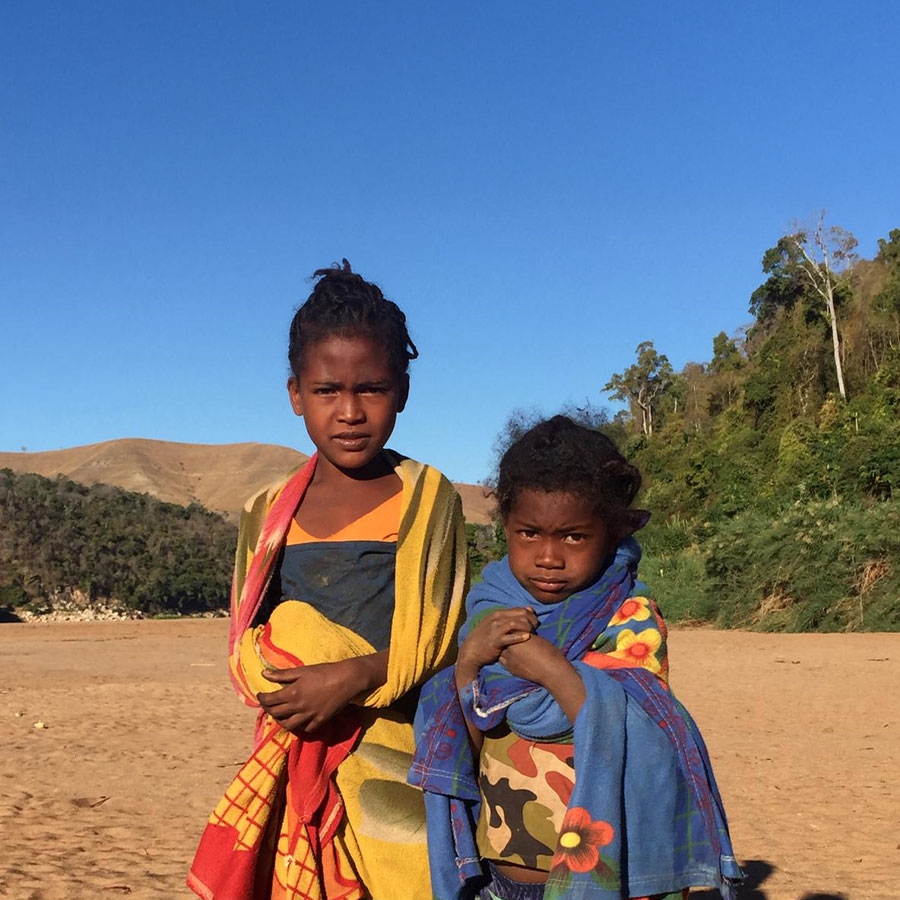
Madagascar, the fourth-largest island in the world, is renowned for its extraordinary biodiversity and a natural heritage found nowhere else on the planet. However, much of the population lives in extreme poverty, with limited access to healthcare, education, and essential infrastructure.
Malnutrition, climate change, and economic fragility represent daily challenges for millions of people.
Despite these difficulties, Madagascar preserves a remarkable cultural richness and strong community spirit. The resilience of its people, combined with significant environmental and tourism potential, fuels hope for a more sustainable and inclusive future.
Between 2018 and 2022, Madagascar experienced a critical phase in its education system, further worsened by economic, political, and environmental factors. Although the national plan aimed to ensure quality education for all, its implementation faced significant obstacles.
Primary school enrollment dropped below 70% in urban areas and fell even lower in rural regions. Educational poverty remains a major challenge: around 90% of 10-year-old children were unable to read and understand a simple text, according to “learning poverty” indicators (UNESCO).
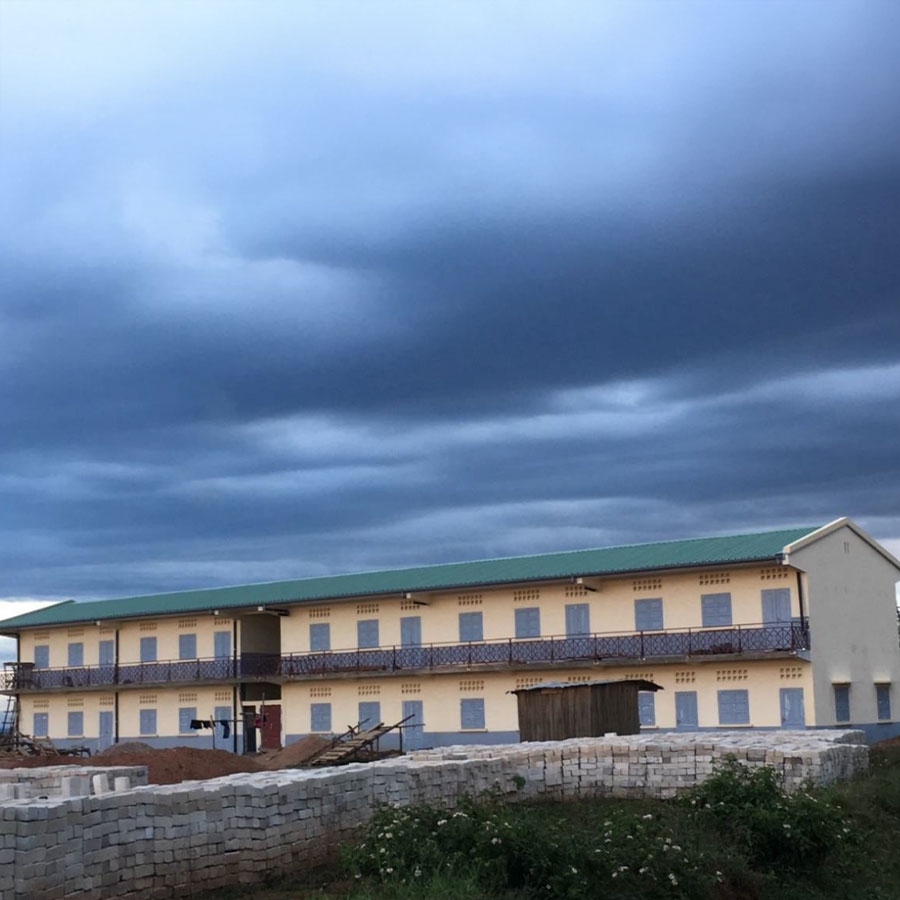
Many schools lacked essential services such as clean drinking water, electricity, and proper classroom equipment, making it difficult to provide a safe and effective learning environment.
The educational crisis contributed to a rise in the number of street children, youth unemployment, and the intergenerational cycle of poverty. Limited literacy prevented many young people—especially girls and women—from accessing employment opportunities and participating fully in community life (World Bank).
Discover how our initiatives are creating opportunities and strengthening education across the island.
Support the mission of the Foundation
The Nuovo Fiore in Africa Foundation is recognized as a public utility organization, registered with the Federal Supervisory Authority, and all donations made are tax-deductible.