A land of challenges, strength, and hope.
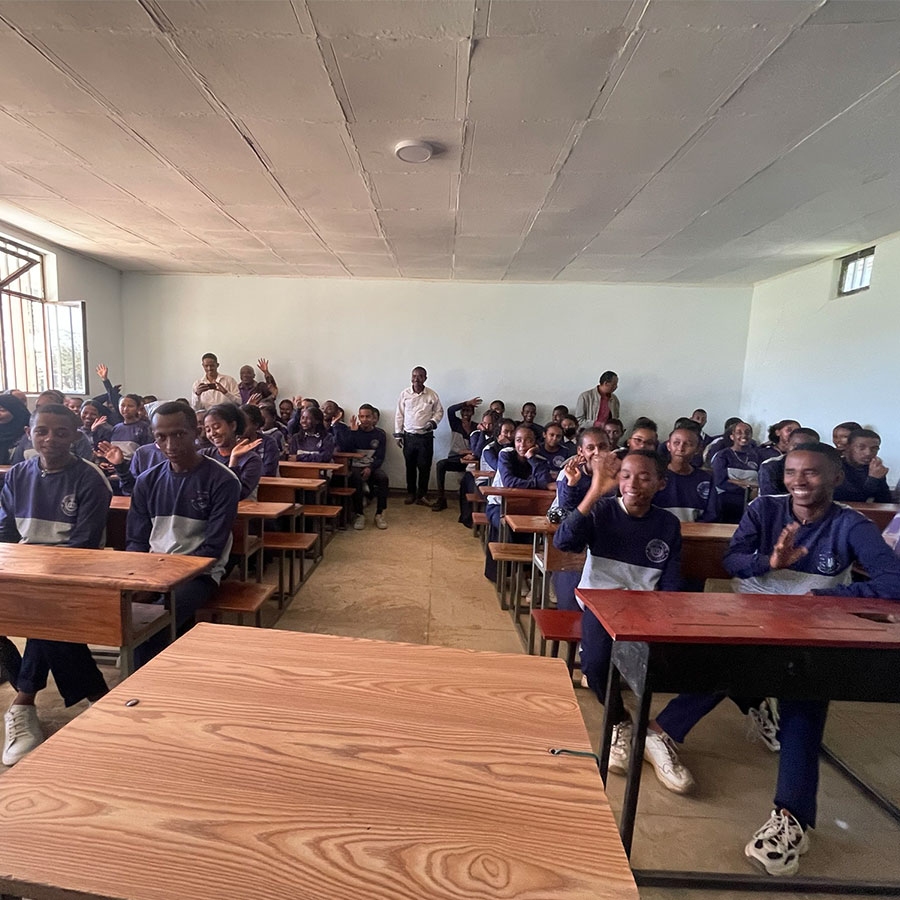
The education system in Ethiopia is currently facing a major crisis. In 2024, the national exam results for grade 12 showed a slight improvement compared to 2023: 5.4% of students passed, versus 3.3% in 2023.
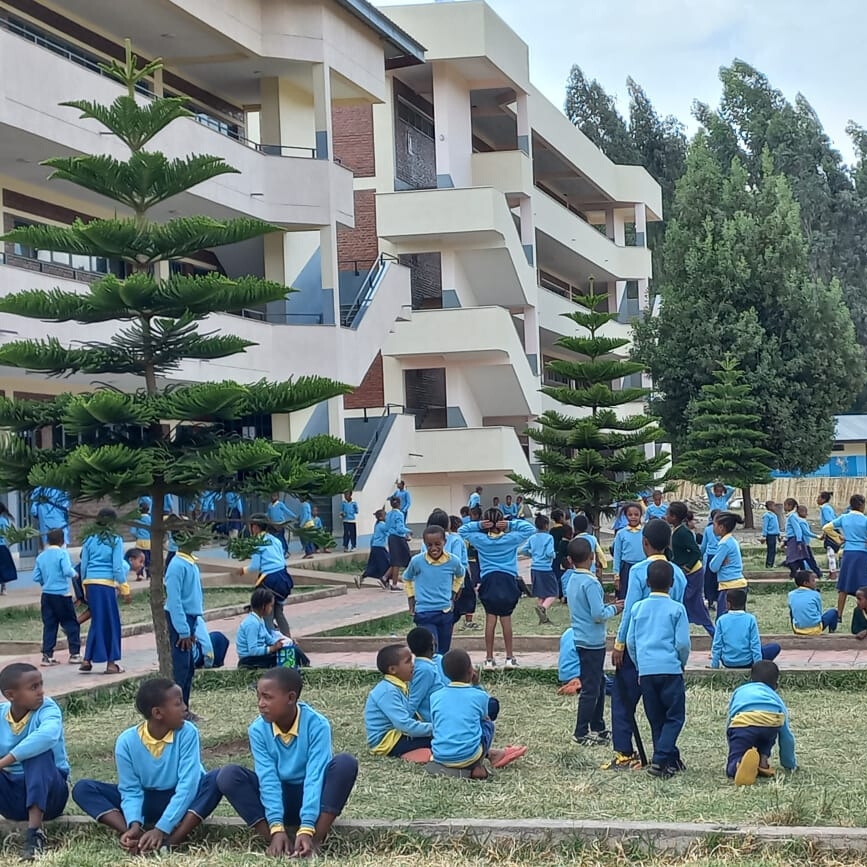
The illiteracy rate in Ethiopia is around 45%. Attending school remains a privilege for a limited portion of the population. Furthermore, many Ethiopian children do not complete primary school and therefore fail to acquire the basic skills necessary for their future.
The educational challenges are complex and involve multiple dimensions:
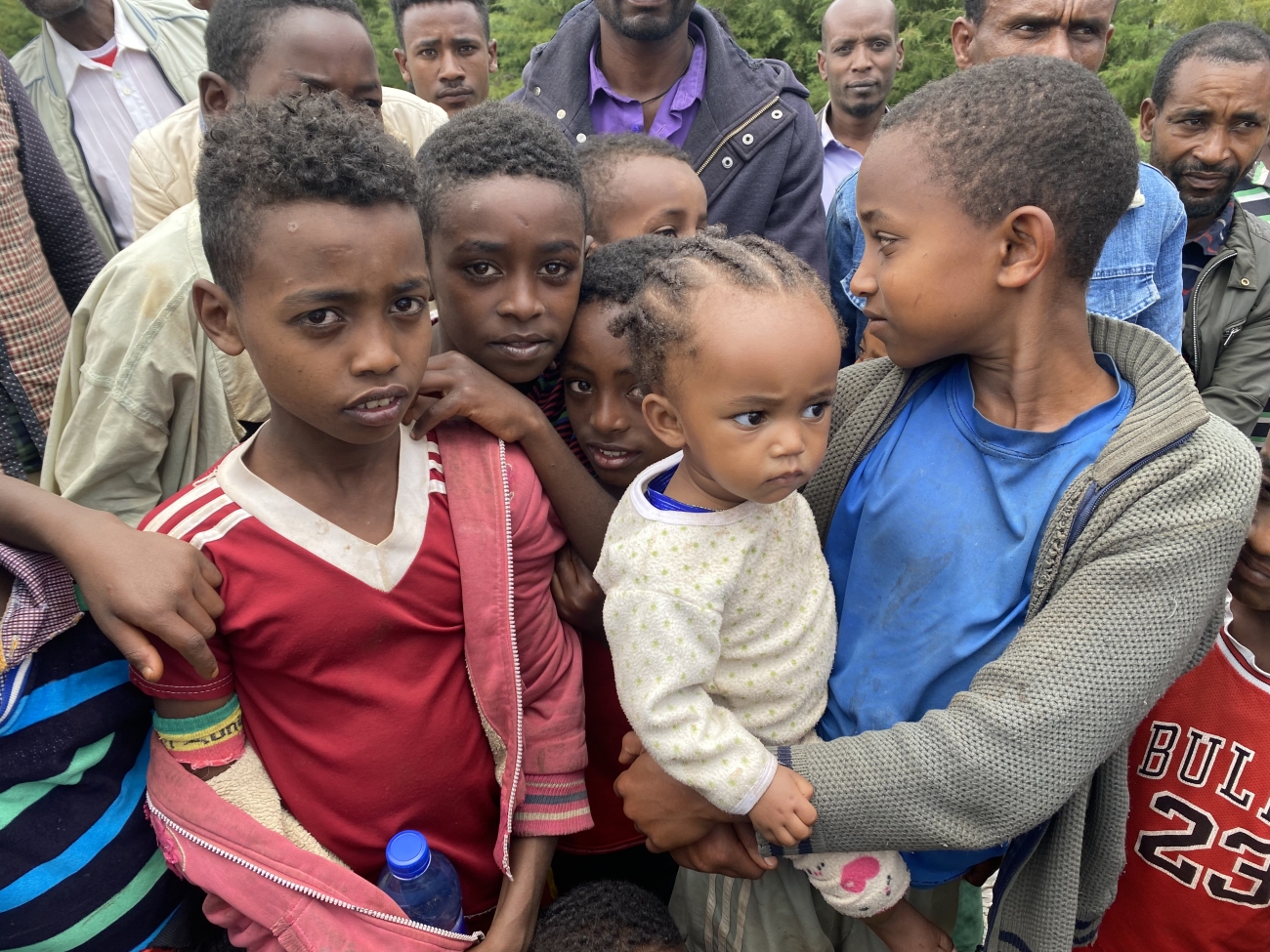
With over 126 million inhabitants, Ethiopia is the second most populous country in Africa, and a large share of the population lives in extreme poverty. Low-income families often struggle to meet basic needs such as food and shelter, which means education is not always a priority. On average, children born into poor households are seven times less likely to complete school than those from wealthier families.
Ethiopia has faced periods of armed conflict and instability, such as the war in Tigray, where 85% of schools suffered severe or partial damage. Violence and political unrest make it difficult to ensure a safe and continuous learning environment.
Despite recent progress, many Ethiopian girls still face systemic obstacles that limit their access to education. Cultural, economic, and geographic factors contribute to gender disparities. Early marriage, early pregnancies, and child labor remain common in some areas, preventing many girls from attending school and continuing their education.
Access to education remains a major challenge in rural and remote regions. According to the latest (2023) Ethiopia Education Cluster report — which includes Save the Children and UNICEF — around 3.5 million children under the age of 5 living mainly in remote areas have no access to schooling. UNICEF’s latest humanitarian report indicates that 7.6 million children across several regions are excluded from education due to insecurity and extreme weather events. These children, unable to attend school for prolonged periods, face heightened risks of exploitation, sexual violence, early marriage, and child labor — a grave violation of their right to education as stated by the United Nations.
Armed conflict, hunger, and the effects of the climate crisis have forced millions of people to flee their homes, disrupting schooling for countless children. Malnutrition caused by drought and food scarcity further prevents regular school attendance.
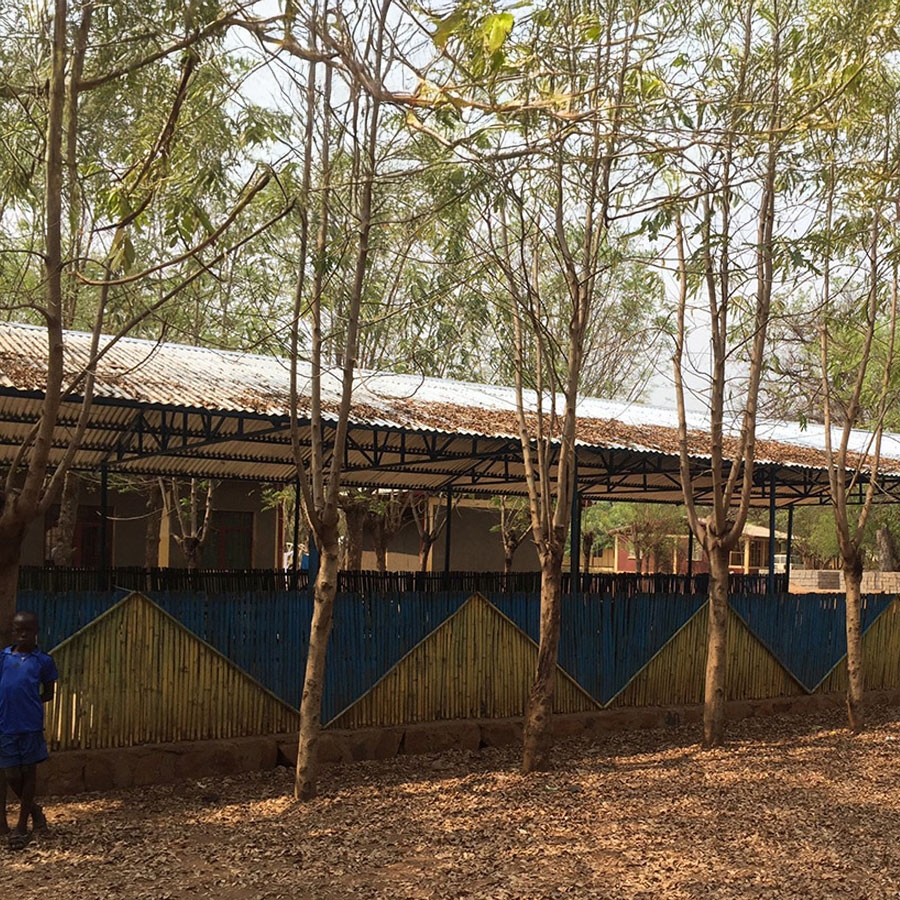
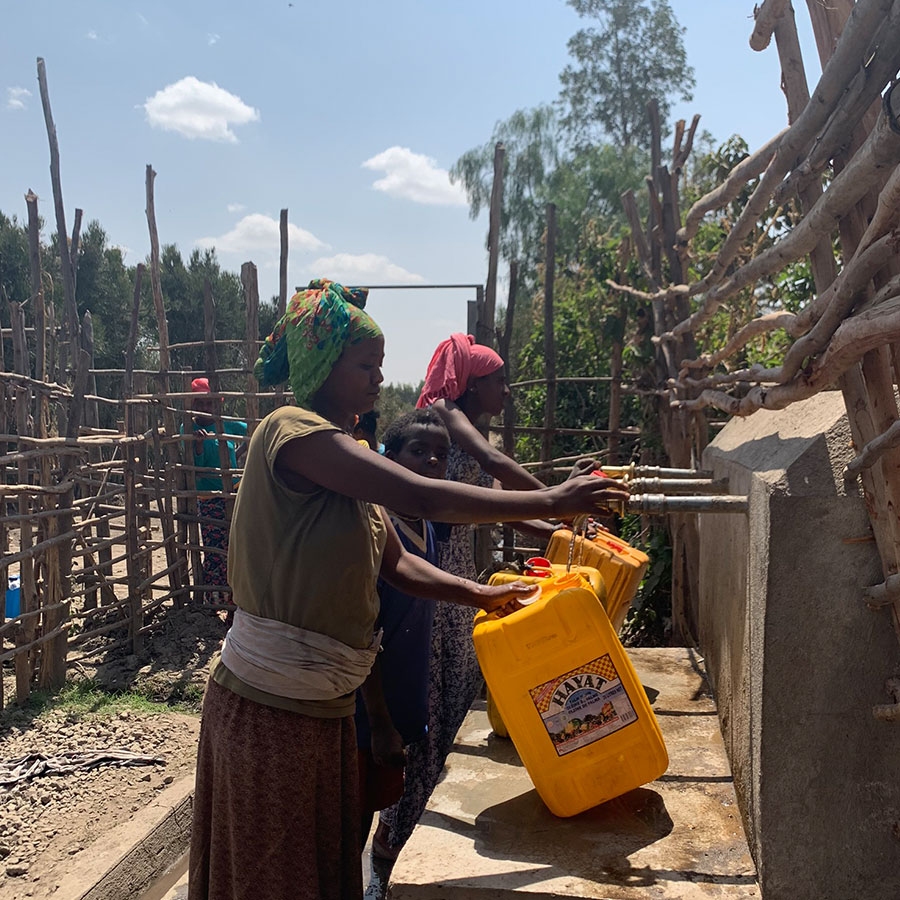
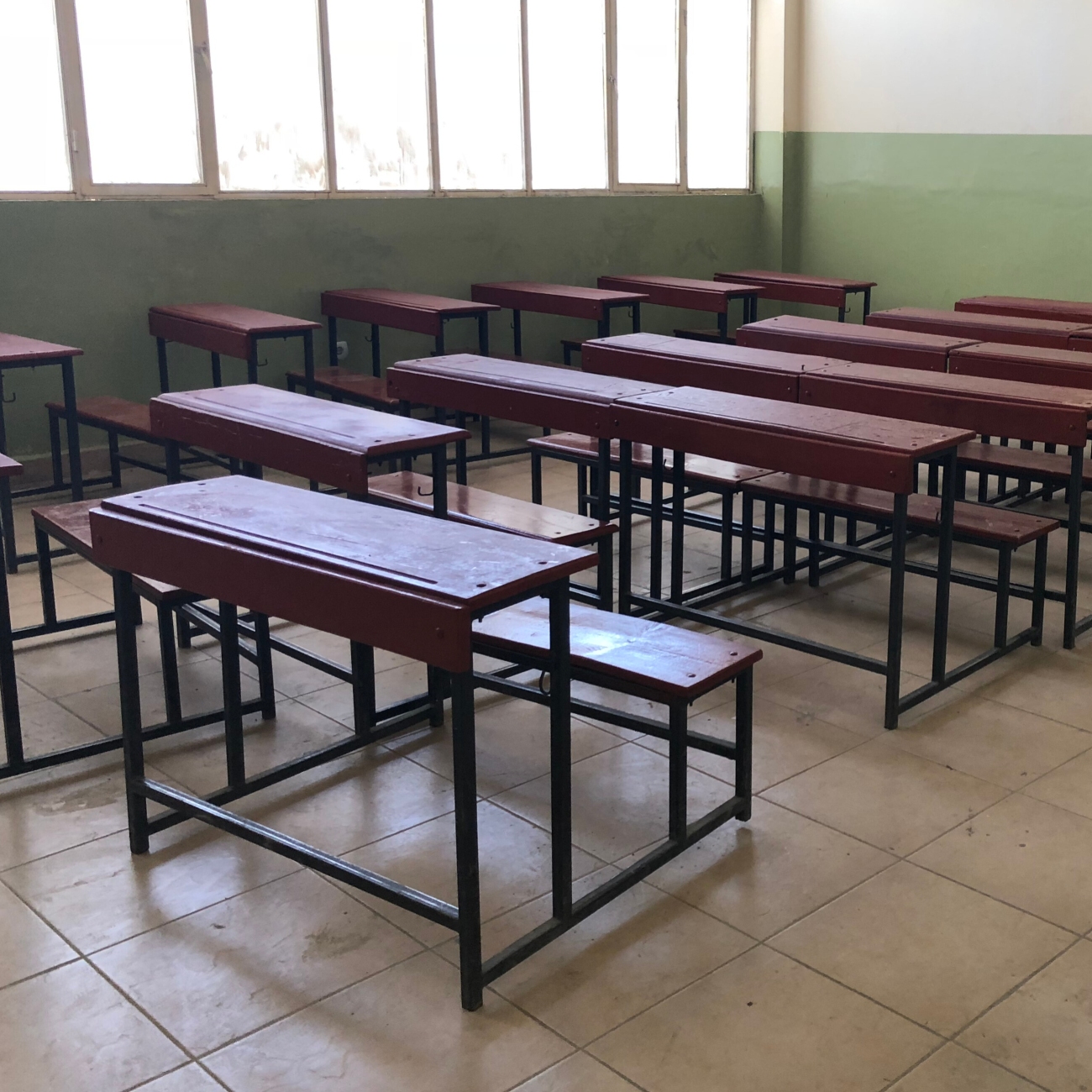
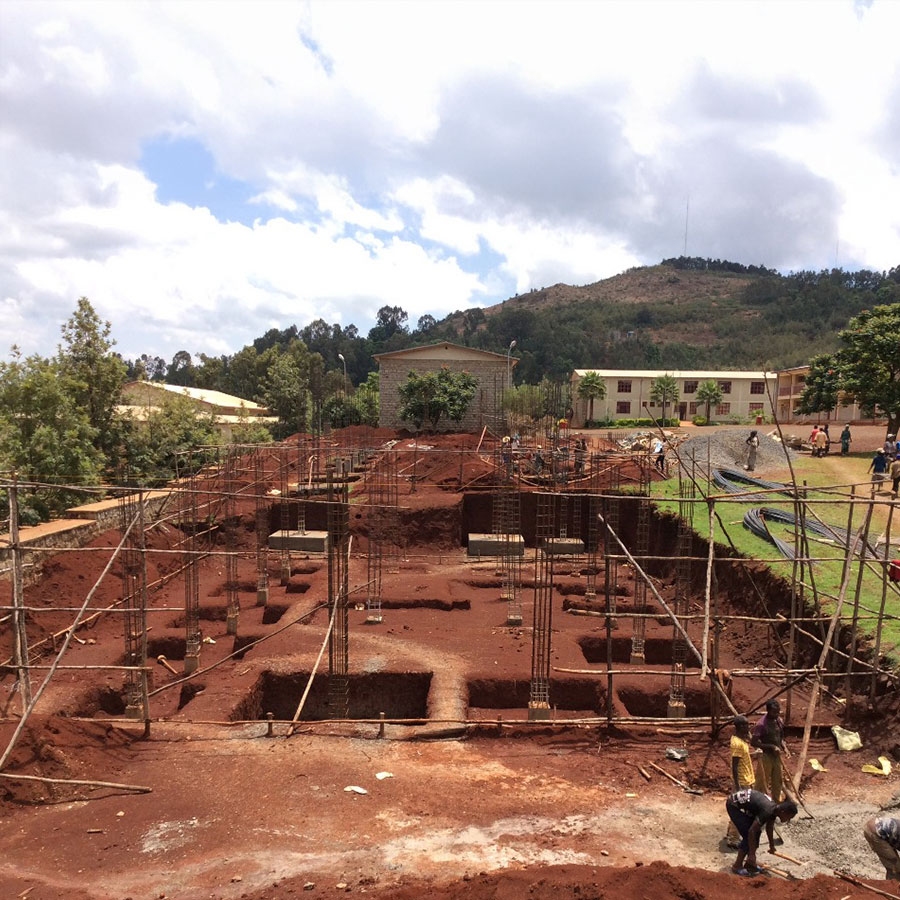
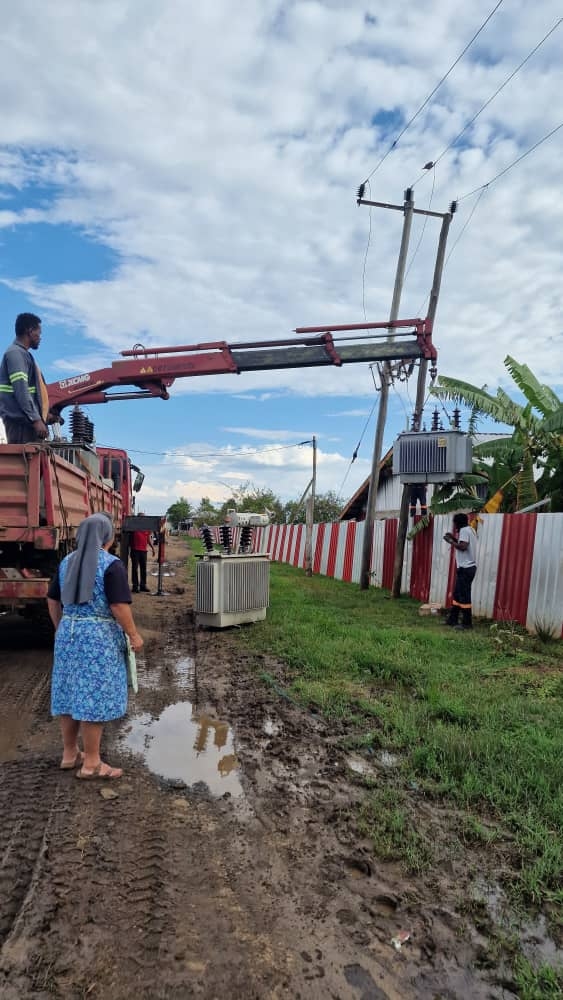
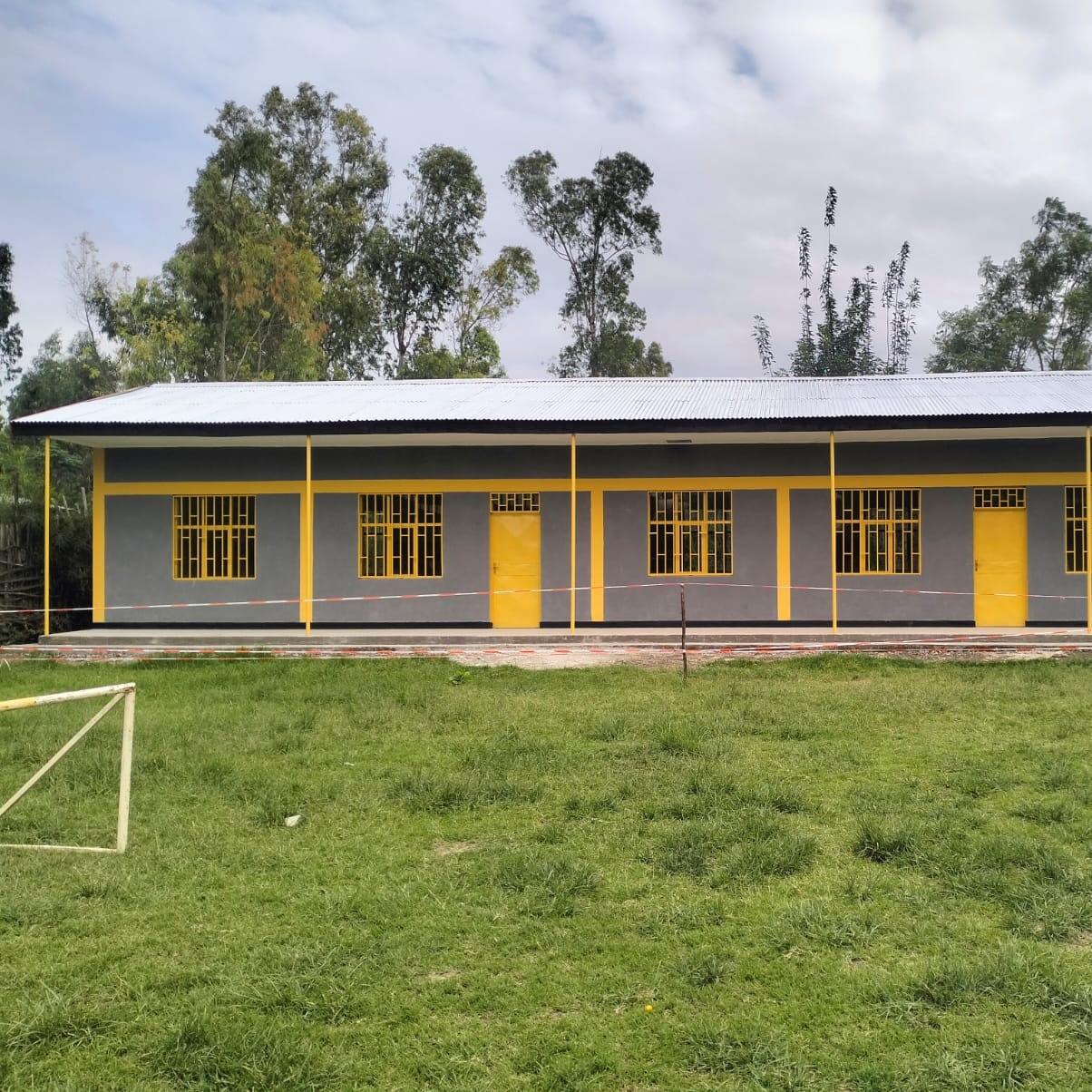
Damaged or insufficient school facilities make it difficult to provide a proper learning environment. The lack of school buildings, poor infrastructure, and the absence of essential services such as drinking water and electricity negatively affect access to education. In particular, the lack of adequate sanitation facilities strongly impacts girls’ school attendance.
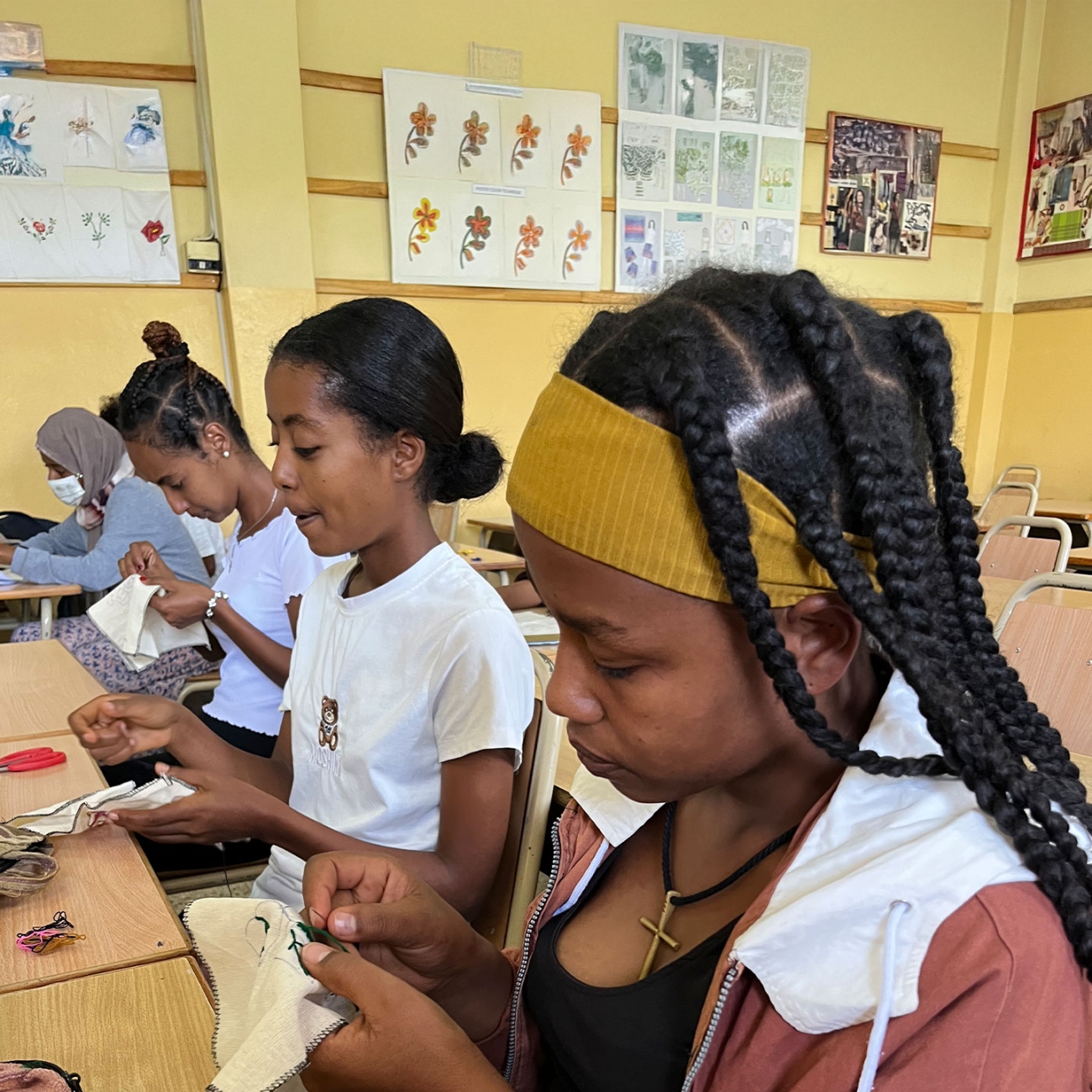
The scarcity of trained and qualified teachers undermines education quality. Many teachers have not received adequate professional preparation and often work in difficult conditions.
Discover how our initiatives in Ethiopia are strengthening education, supporting families and creating new opportunities for entire communities.
Support the mission of the Foundation
The Nuovo Fiore in Africa Foundation is recognized as a public utility organization, registered with the Federal Supervisory Authority, and all donations made are tax-deductible.