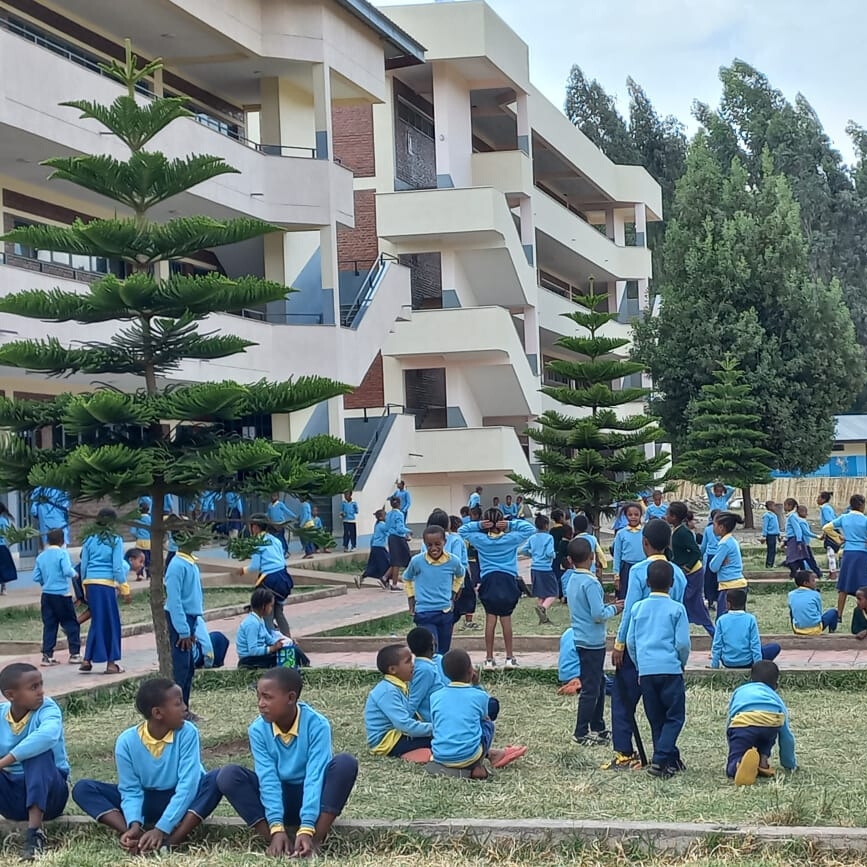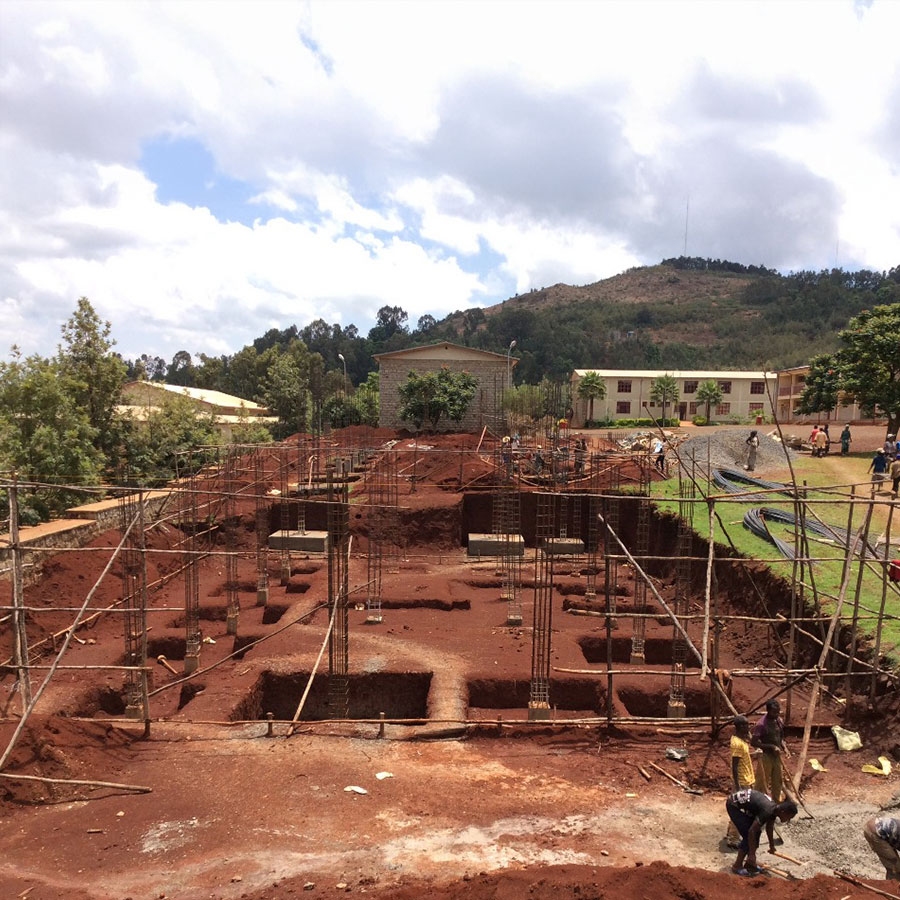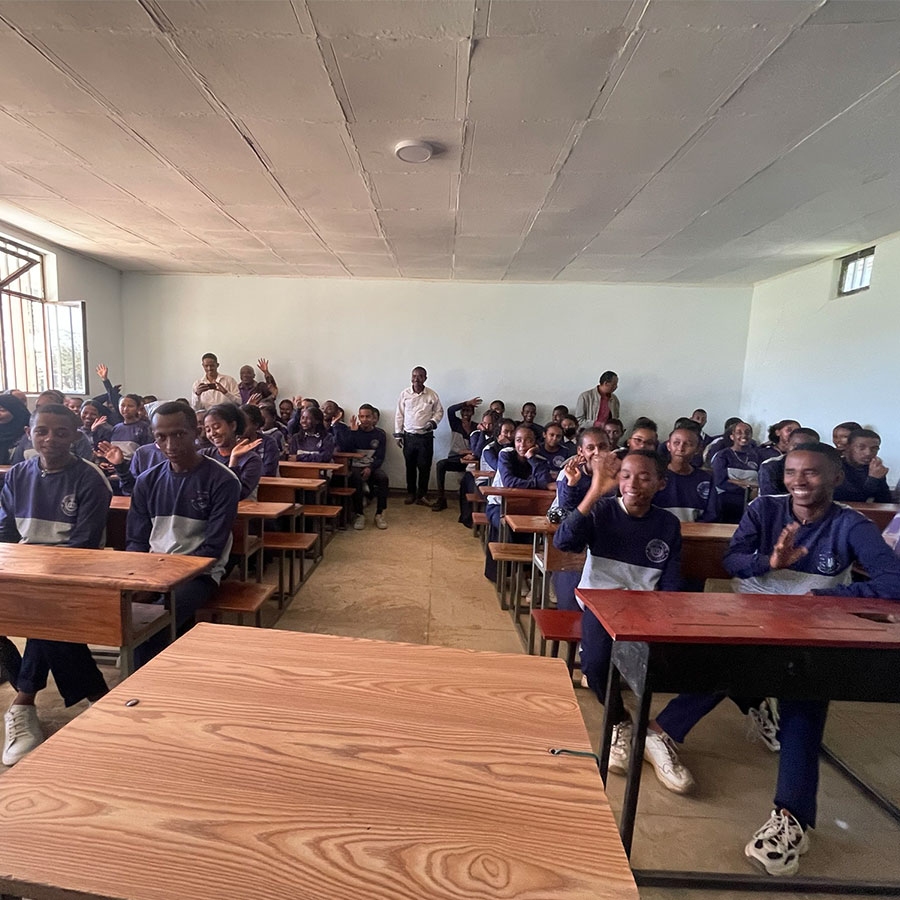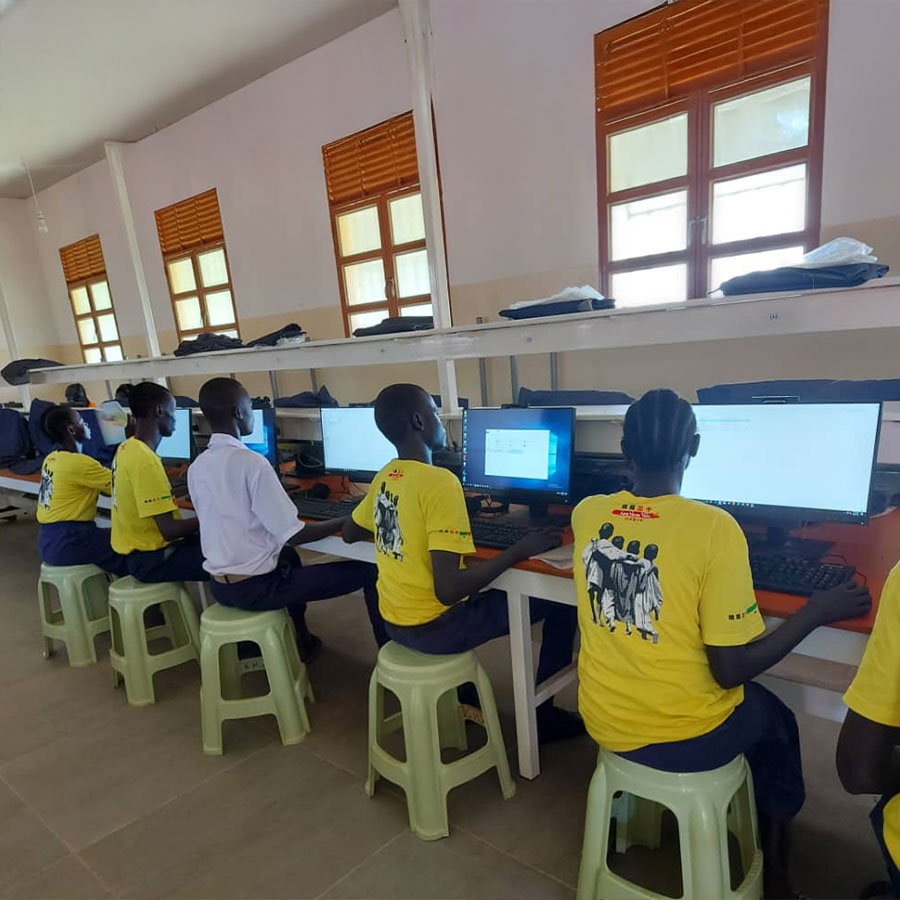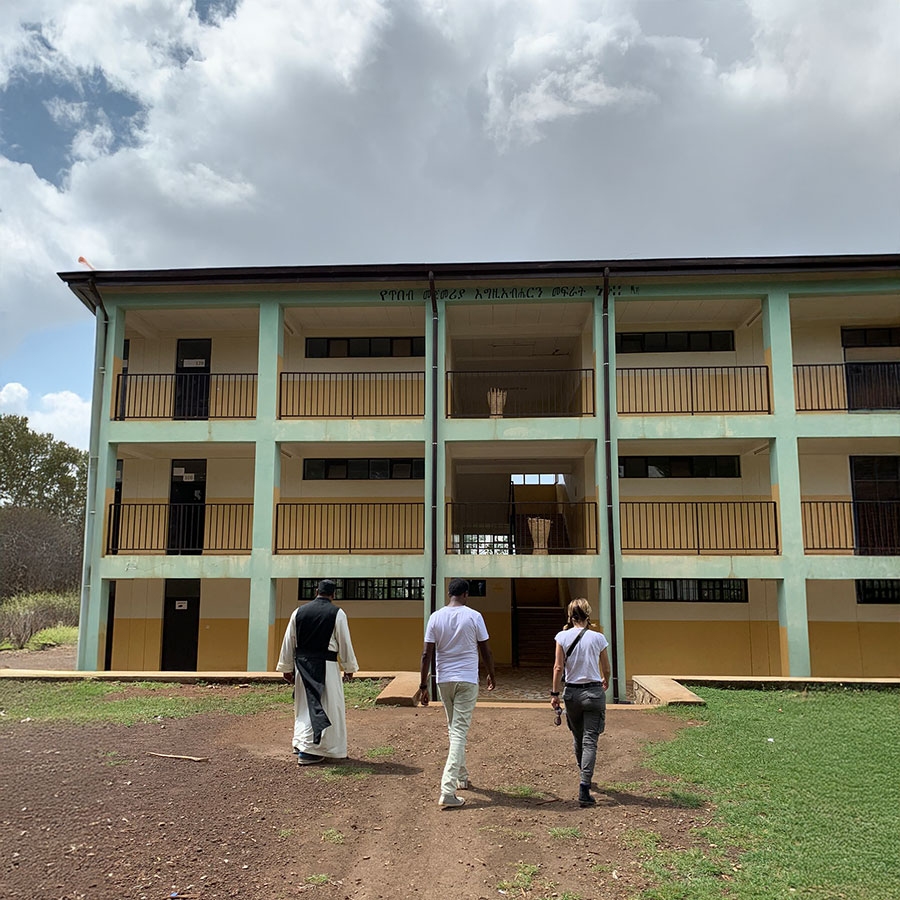
The construction of a school building for the Cistercian Fathers' middle school resulted in the creation of a three-story school building in the city of Hosanna, one of the rapidly expanding urban areas of southern Ethiopia. The structure houses 8 classrooms for 50 students, offices, science laboratories, and a pedagogical center, and was designed with attention to inclusivity, thanks also to the creation of separate toilets for girls.
The intervention was initiated to address the shortage of secondary schools in the area, where over 35% of young people between the ages of 12 and 16 do not continue their studies after primary school, due to distance, poverty, and cultural barriers, especially for girls.
The new school directly benefited 400 students and had a positive impact on over 2,100 people, including families and local communities. The expansion of the educational path up to the 10th grade helped reduce school dropout, improve the quality of teaching, and promote a fairer participation in the school system, offering concrete opportunities for redemption to many young people in the city.
School infrastructures are the heart of our interventions in Africa: without safe classrooms, adequate spaces, and modern tools, learning remains a privilege for a few. This is why we build and renovate schools, create laboratories and educational spaces that allow children and young people to grow up in dignified environments. Every new classroom is not just a building, but a seed of hope and future for entire communities.
Direct: 400
Indirect: 2,100
Hosanna is the capital of the Hadiya zone in southern Ethiopia, with over 90,000 inhabitants. It is known for its cultural and religious vitality and represents an important center for nearby communities. The inhabitants show great internal solidarity, but the level of poverty remains high: more than 25% of families live below the national threshold. Educational infrastructures are insufficient and overcrowded: on average, there are over 60 students per class, well beyond the recommended standards. Many children interrupt their studies to help their families with agricultural activities or small trades. The city thus reflects the country's broader challenge: reconciling social vitality with a lack of resources.

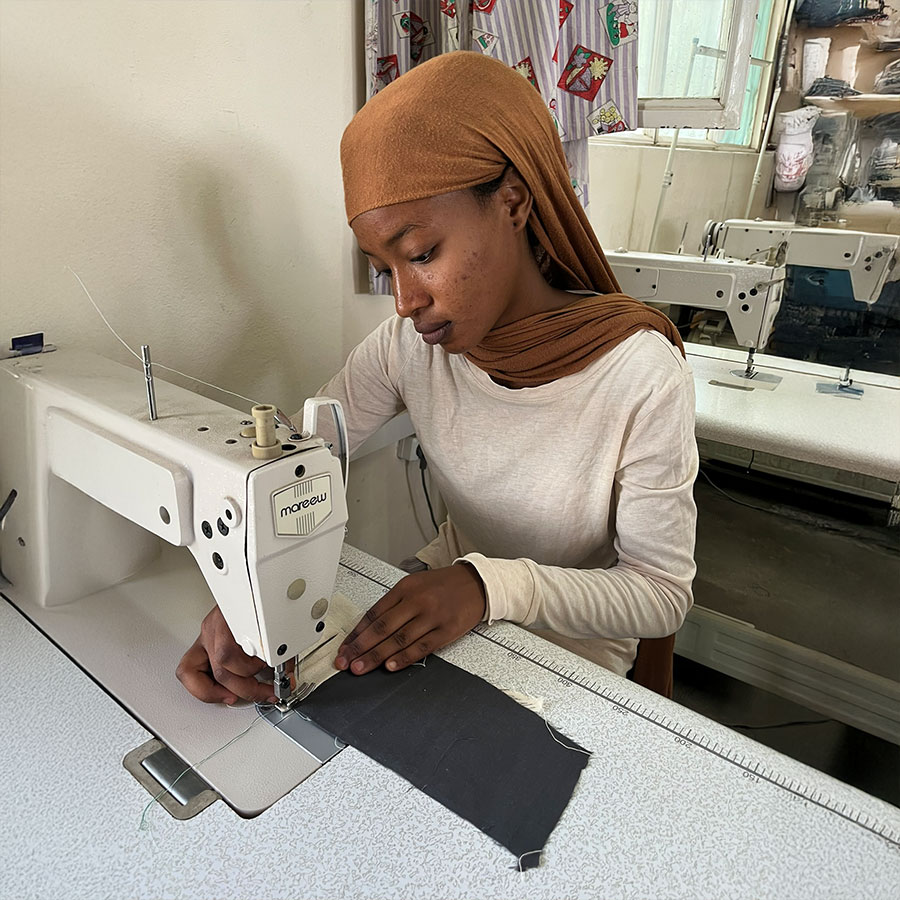
With the goal of supporting basic education and vocational training, the Foundation invests in infrastructure and initiatives addressing educational challenges such as the empowerment of girls and women.
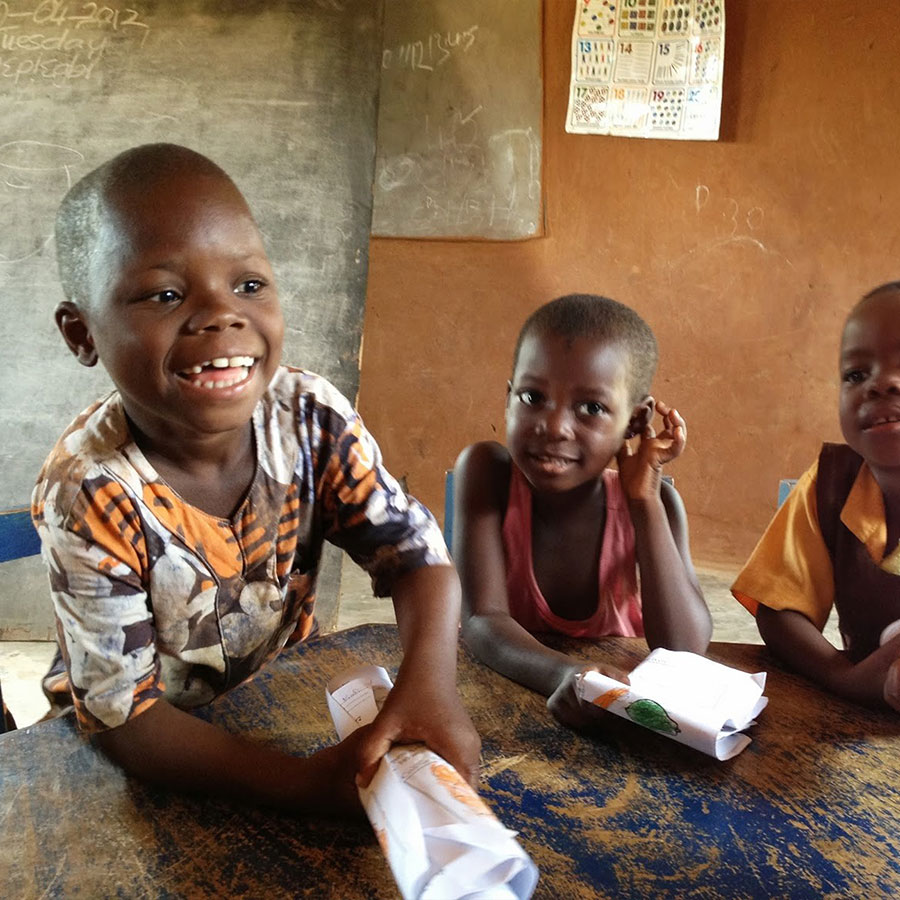
Each project is developed in collaboration with local communities and aims to promote education, personal growth, and sustainable development.
Support the mission of the Foundation
The Nuovo Fiore in Africa Foundation is recognized as a public utility organization, registered with the Federal Supervisory Authority, and all donations made are tax-deductible.