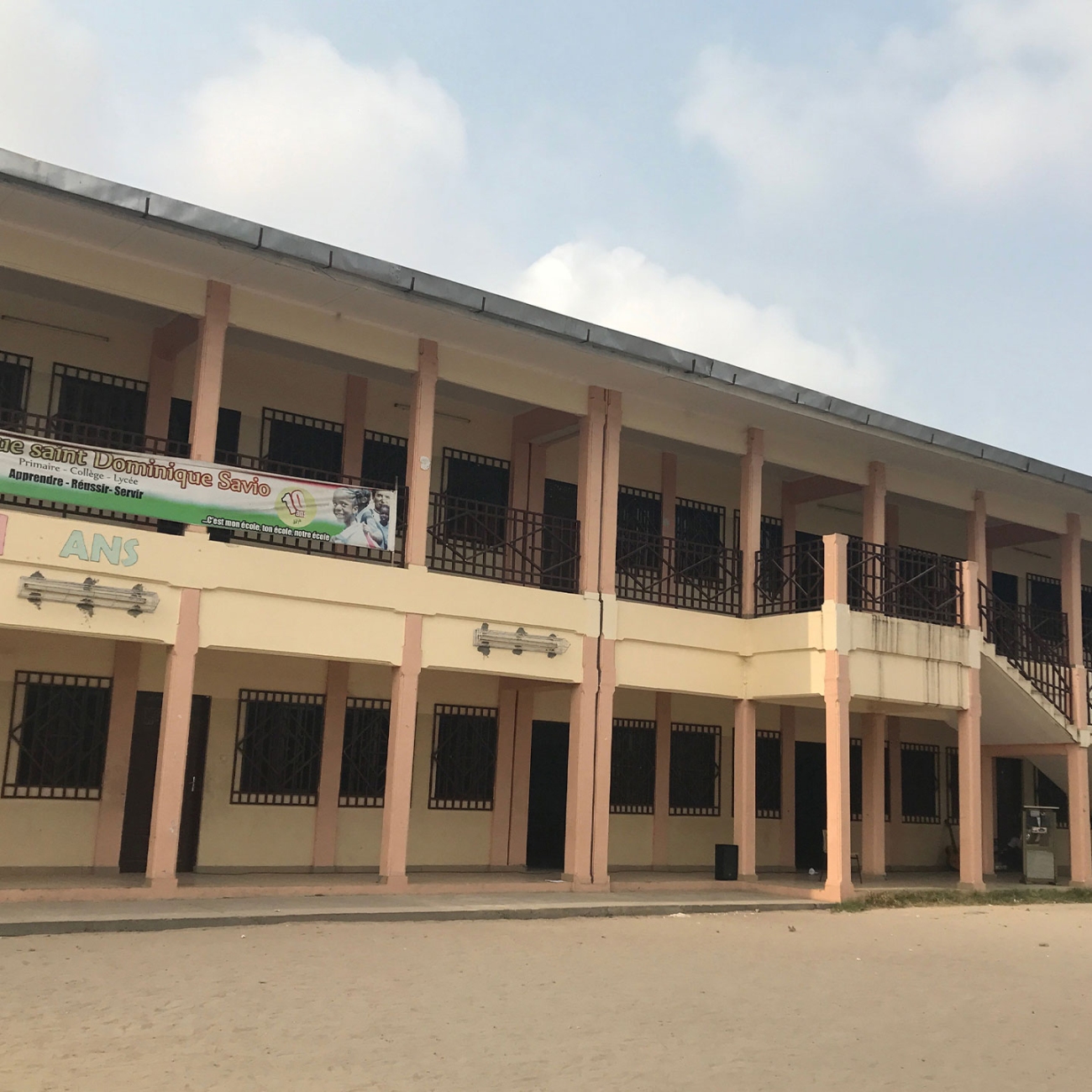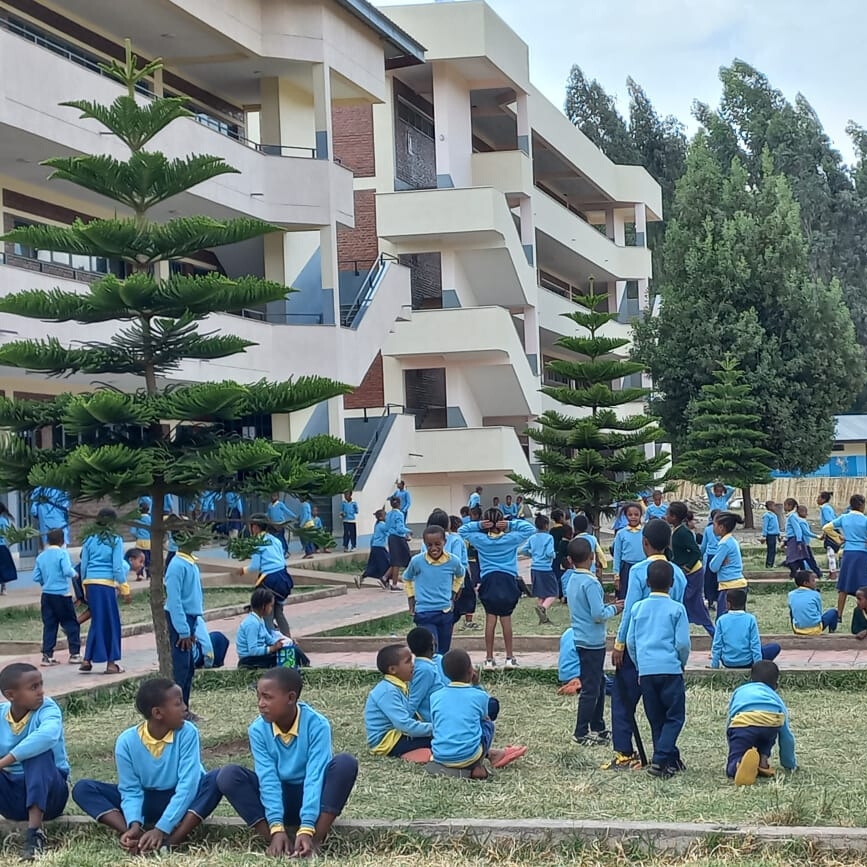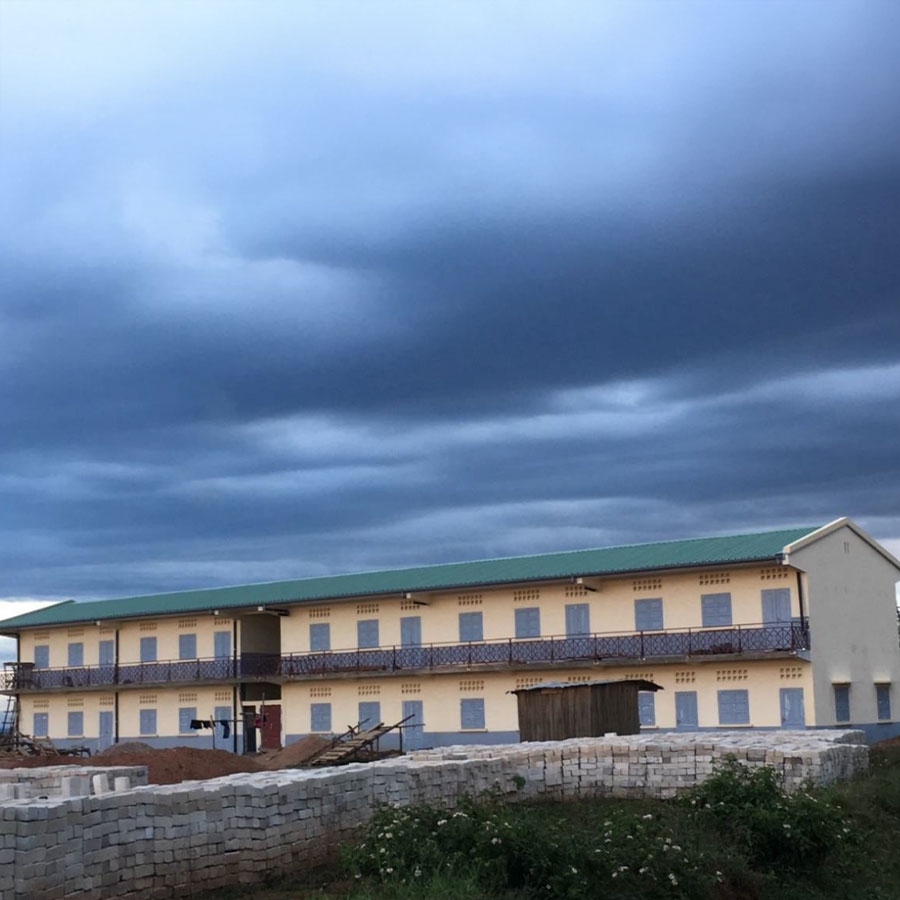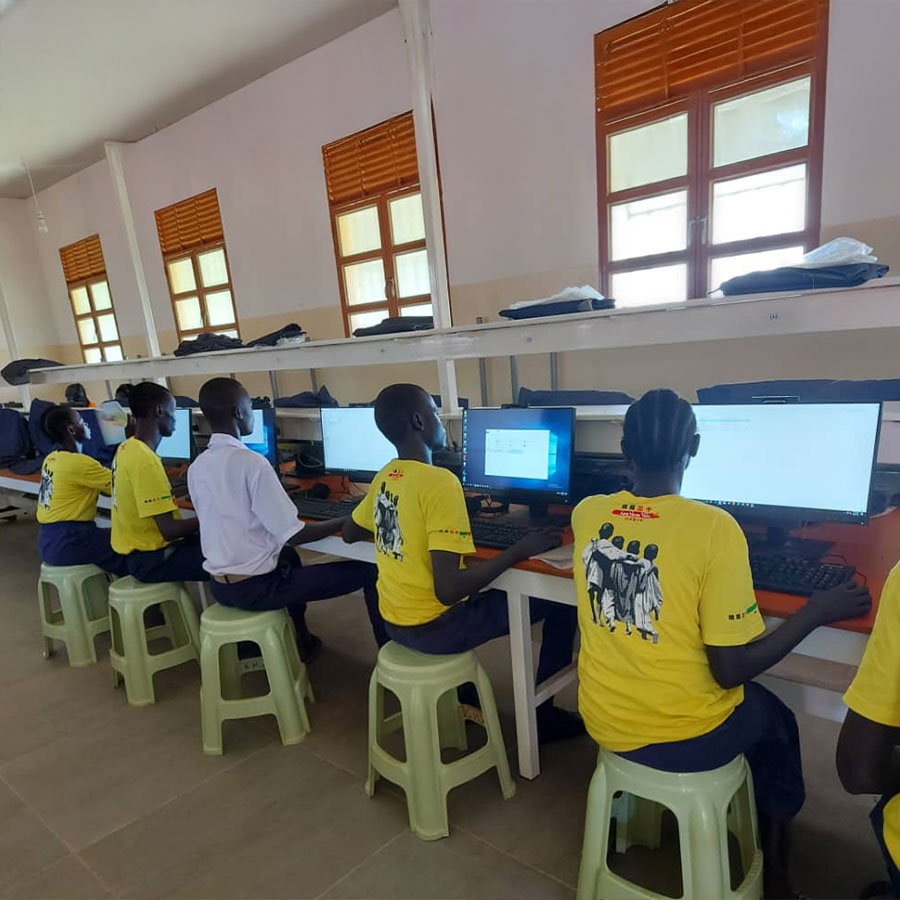
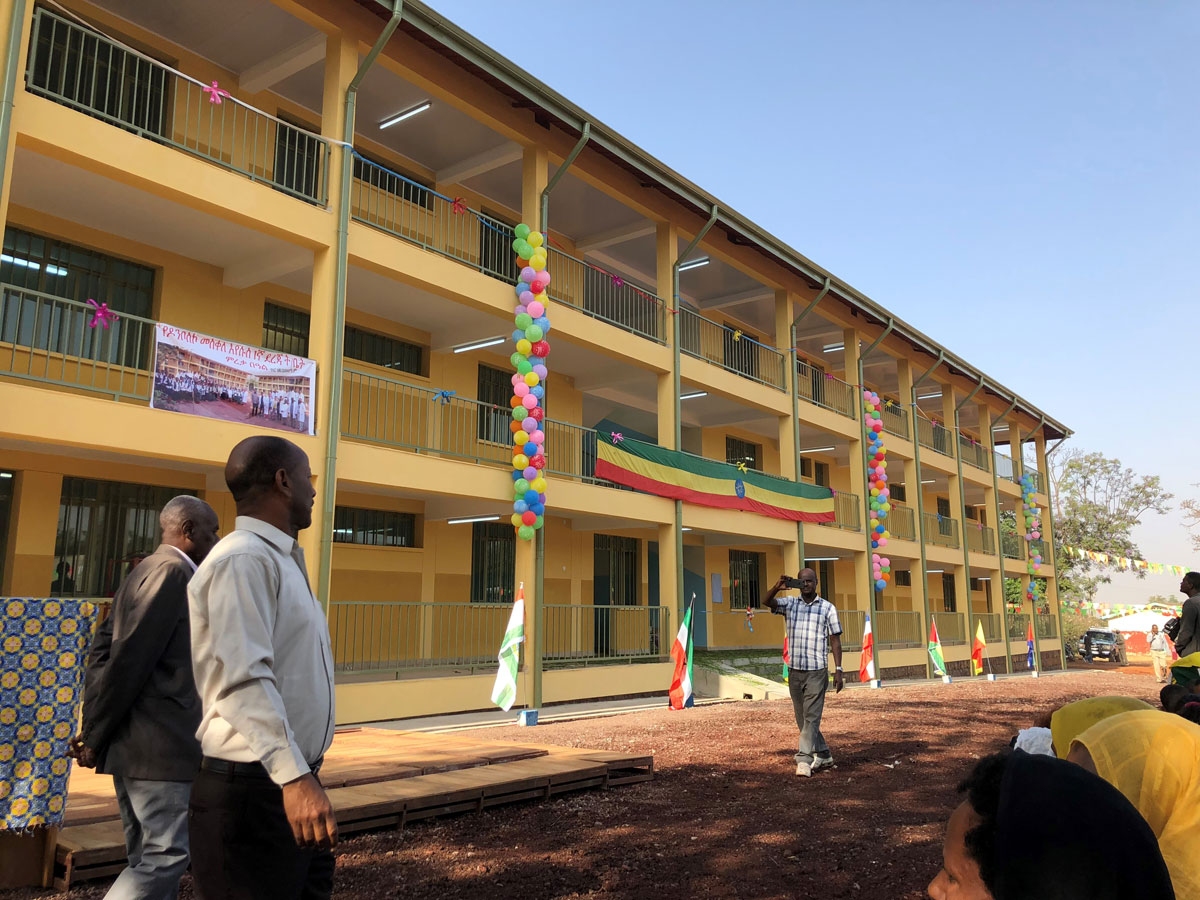
Between 2016 and 2018, the Salesian Fathers completed the construction of a primary school, building a modern three-story school building with 16 classrooms, capable of accommodating up to 800 children between 6 and 14 years old. The intervention replaced a previous dilapidated structure, offering a safe, functional, and stimulating educational environment in an area lacking adequate school alternatives.
The city of Dilla, the capital of the Gedeo zone, is located in a rural area marked by widespread poverty, insufficient infrastructure, and overcrowding in public schools, with classes often exceeding 70 students and a scarce availability of didactic materials. In the Gedeo zone, only about 65% of children attend primary school, while only 17% access secondary school.
The new school is now a reference point for the entire area, with over 4,000 indirect beneficiaries including families and the community. In a country where about 30% of school-age children do not have access to primary school, the construction of adequate infrastructure represents a decisive step in guaranteeing the right to education and combating school dropout.
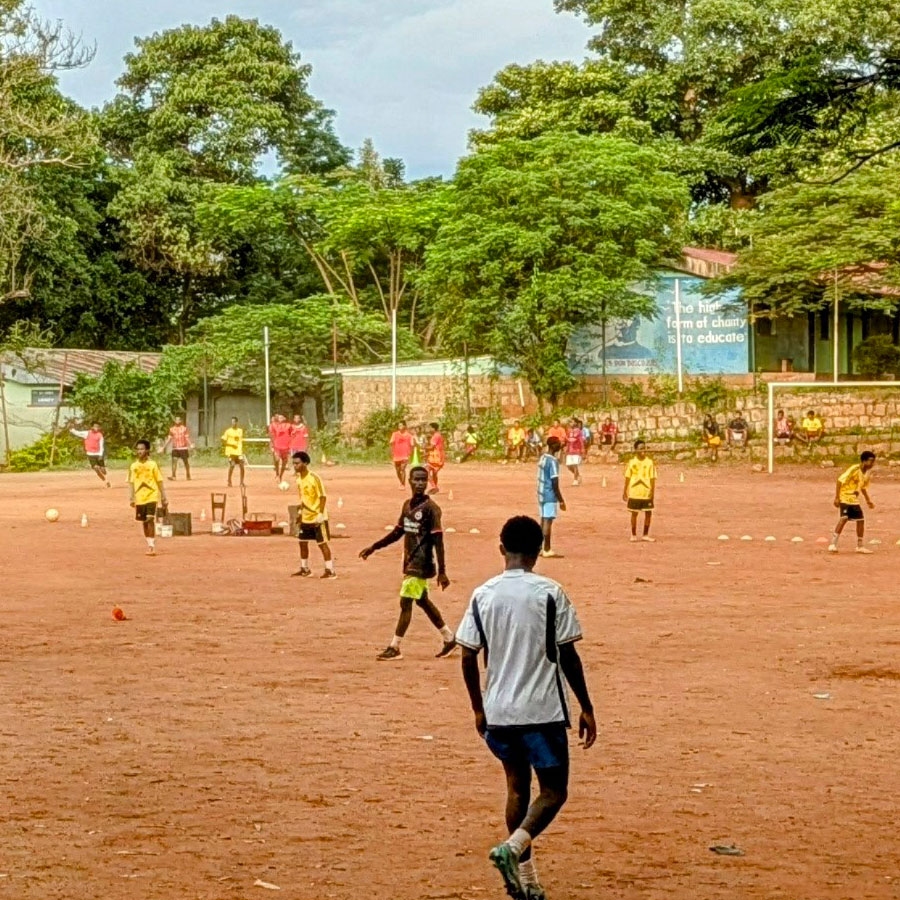
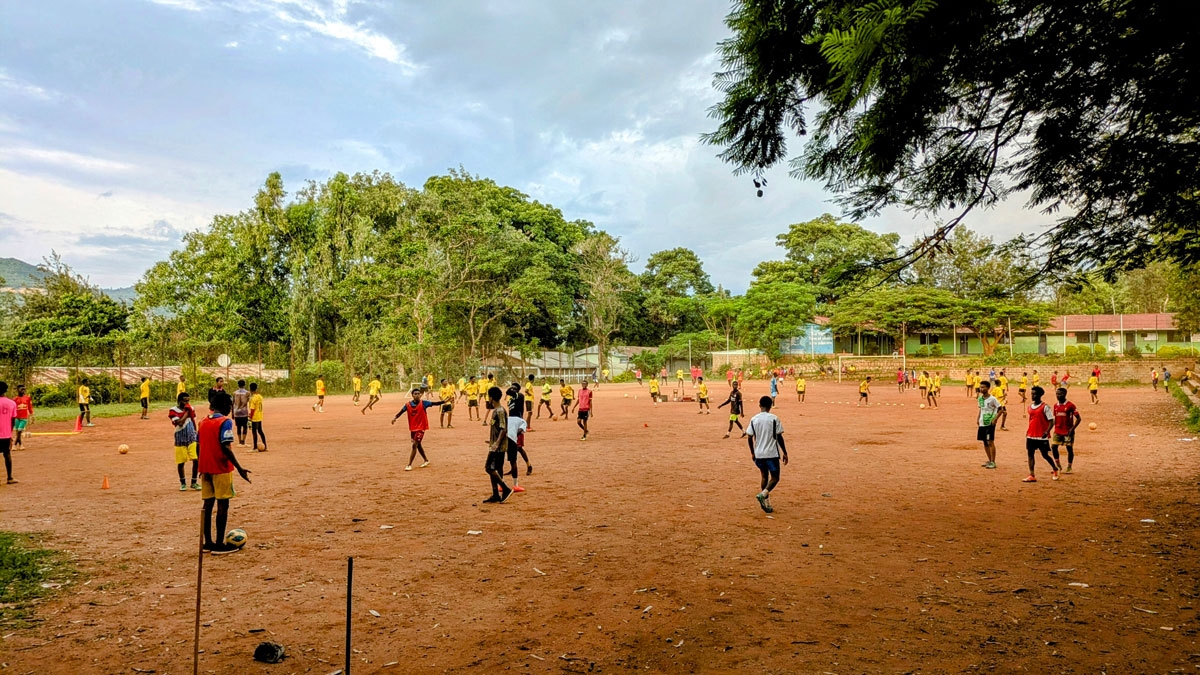
In addition to lessons, the structure offers spaces for recreational and sports activities, contributing to the harmonious development of children and the strengthening of the local social fabric.
The project involved 4,800 indirect beneficiaries, including families and residents of the area, strengthening the school's role as a place of learning, protection, and growth for the younger generations.
School infrastructures are the heart of our interventions in Africa: without safe classrooms, adequate spaces, and modern tools, learning remains a privilege for a few. This is why we build and renovate schools, create laboratories and educational spaces that allow children and young people to grow up in dignified environments. Every new classroom is not just a building, but a seed of hope and future for entire communities.
Direct: 800
Indirect: 4,000
Dilla is a city in southern Ethiopia, the capital of the Gedeo zone, and has over 80,000 inhabitants. It is nationally known for the production and trade of coffee, which constitutes the main source of local income. This economic potential, however, does not translate into widespread well-being: most of the population still lives below the poverty line, and food insecurity affects numerous families. The city's schools are overloaded with students and often lack adequate resources, with an average of over 60 children per class. Despite the difficulties, the community shows strong resilience and the ability to combine tradition and entrepreneurial spirit, making Dilla a vibrant yet fragile context.
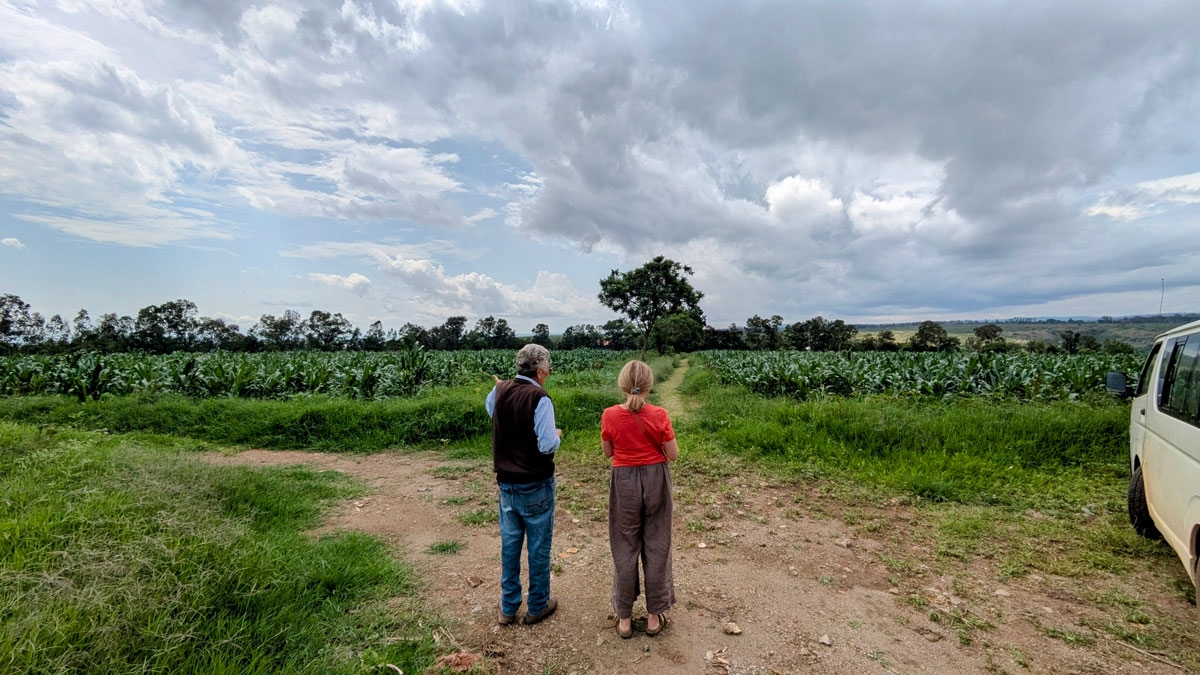
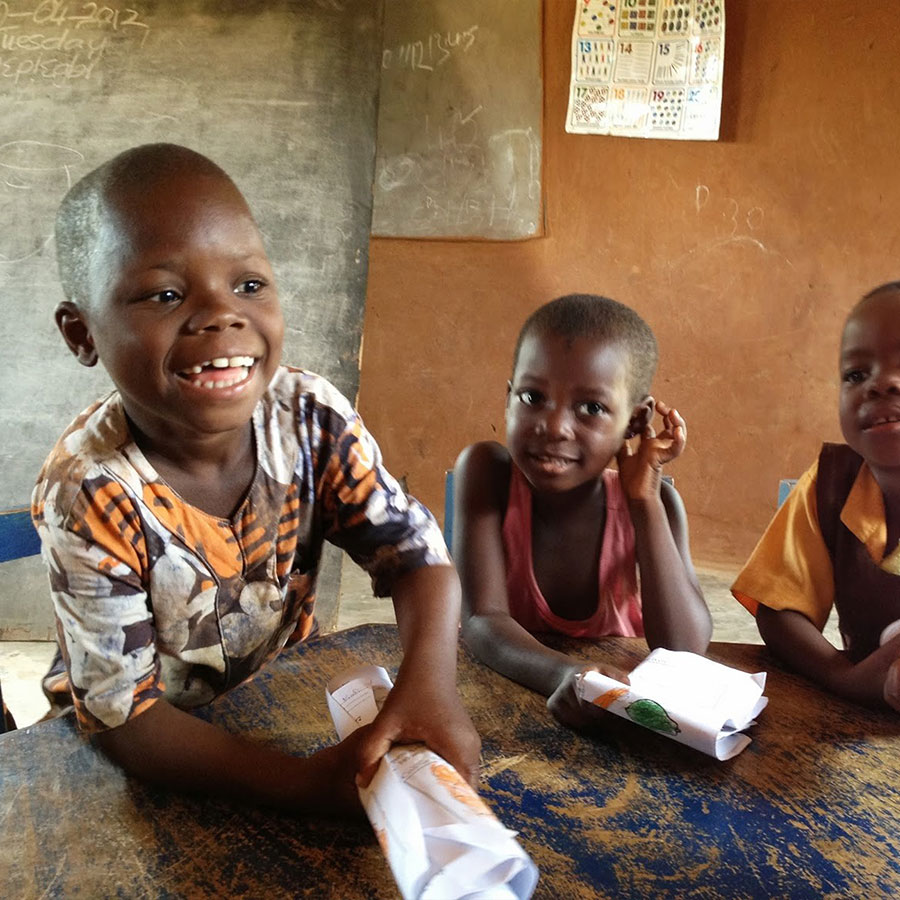
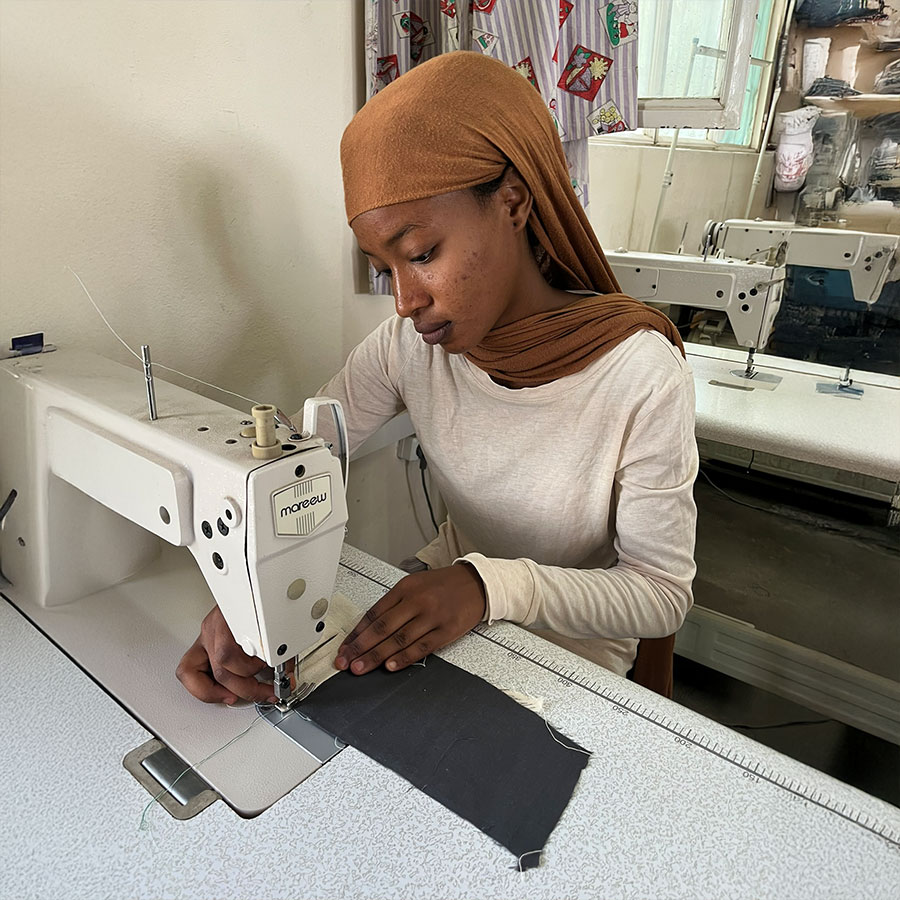
With the goal of supporting basic education and vocational training, the Foundation invests in infrastructure and initiatives addressing educational challenges such as the empowerment of girls and women.
Each project is developed in collaboration with local communities and aims to promote education, personal growth, and sustainable development.
Support the mission of the Foundation
The Nuovo Fiore in Africa Foundation is recognized as a public utility organization, registered with the Federal Supervisory Authority, and all donations made are tax-deductible.