Between civil war and hope for rebirth
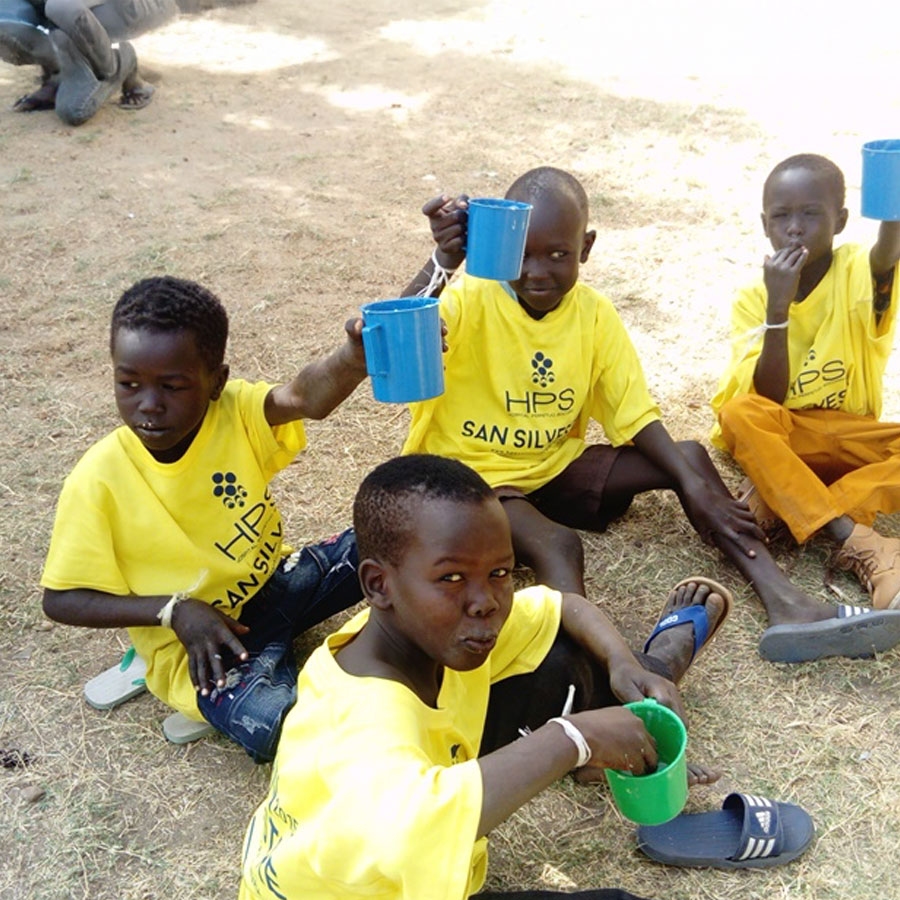
South Sudan, the youngest country in the world, continues to be affected by extreme poverty and a severe lack of basic infrastructure and services. Because of decades of civil war, almost no progress has been made to improve the nation’s development. The population of Tonj — much like the rest of the country — lives in a situation of pure subsistence, with high maternal and child mortality rates caused by malnutrition, malaria, and other preventable diseases.
The educational situation in South Sudan reflects many of the challenges seen in other regions of Africa, similar to those faced in Ethiopia, including limited access to schooling, inadequate facilities, and socioeconomic instability.
Below, we outline the key challenges that continue to hinder access to quality education in the country.
In 2024, according to data from the World Factbook and the World Bank, 69% of South Sudanese adults (aged 15 and over) were illiterate. This figure highlights the severe lack of access to formal education for much of the population, especially in rural areas and among women. Widespread illiteracy is both a consequence and a driving factor of poverty, making it one of the main barriers to the country’s development.
South Sudan has one of the lowest school completion rates in the world. According to UNESCO, more than 70% of school-aged children are not attending school, making it the country with the highest level of school exclusion globally. The situation is even more critical for girls: less than 1% are able to complete primary school.
Years of civil war, political instability, and extreme poverty have severely undermined progress in female education. Girls remain disproportionately affected: according to UNICEF, over 52% are married before the age of 18, often forced to leave school at a very young age.
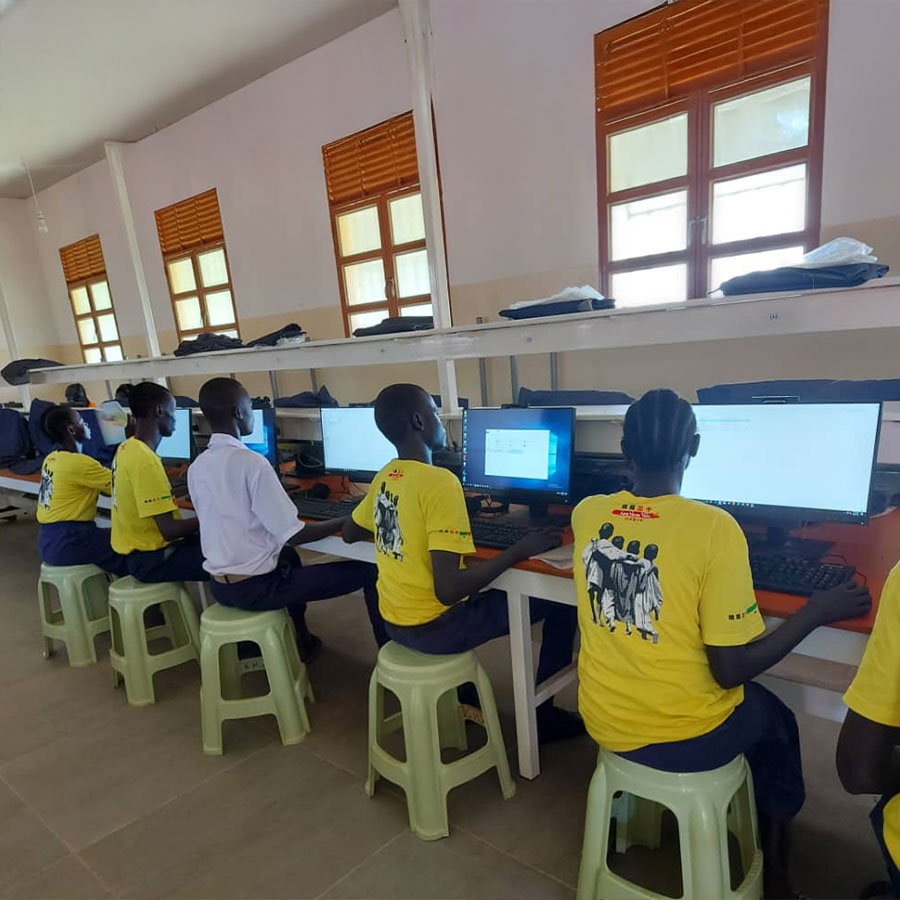
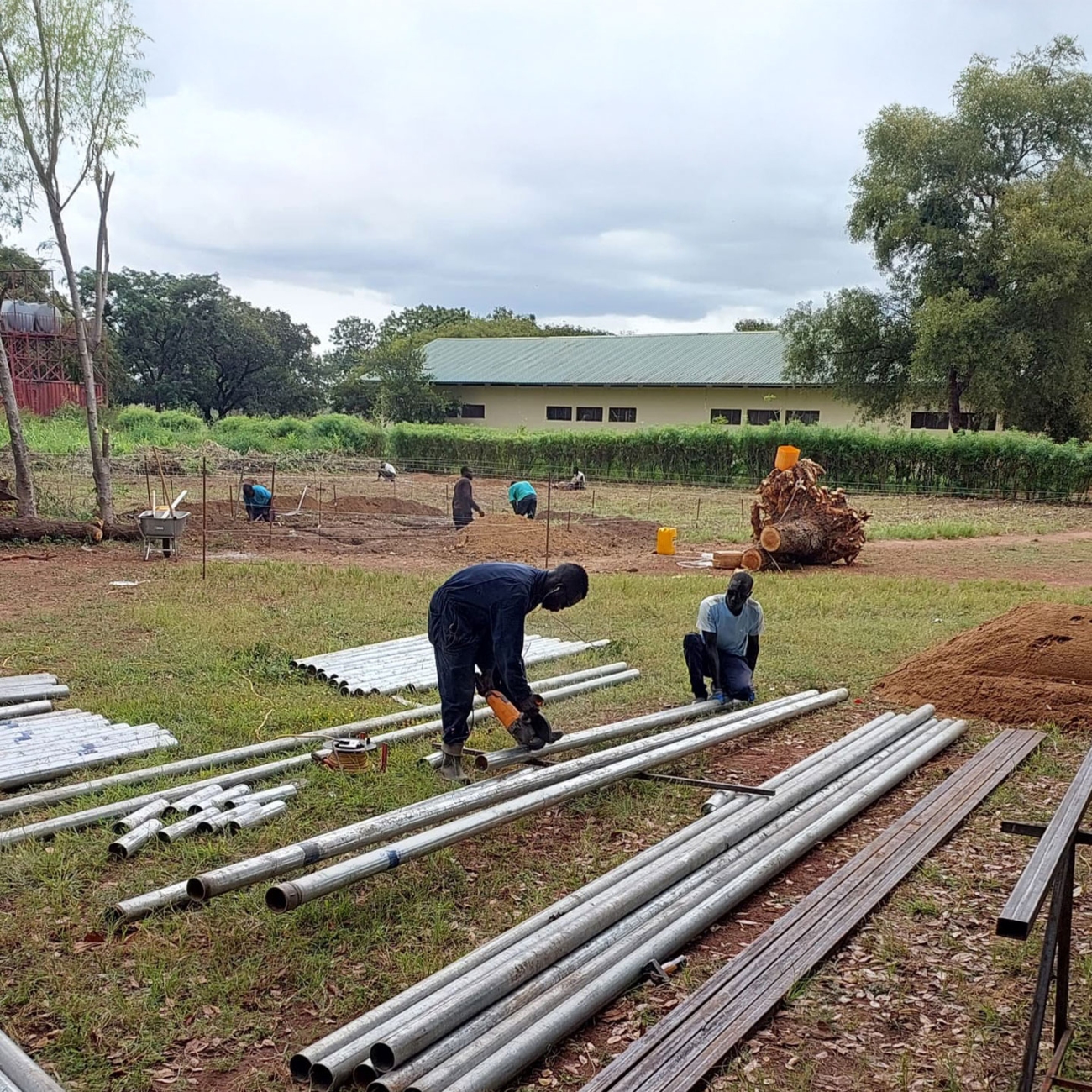
Discover how our initiatives are bringing education and hope to the vulnerable heart of South Sudan.
Support the mission of the Foundation
The Nuovo Fiore in Africa Foundation is recognized as a public utility organization, registered with the Federal Supervisory Authority, and all donations made are tax-deductible.