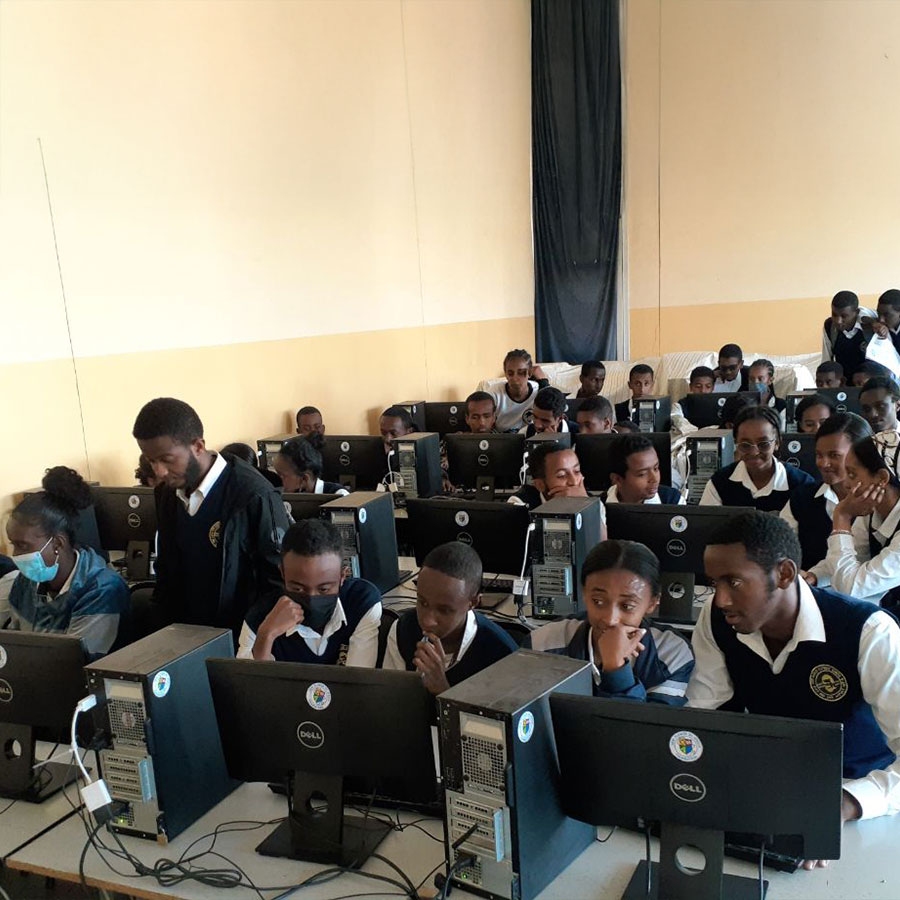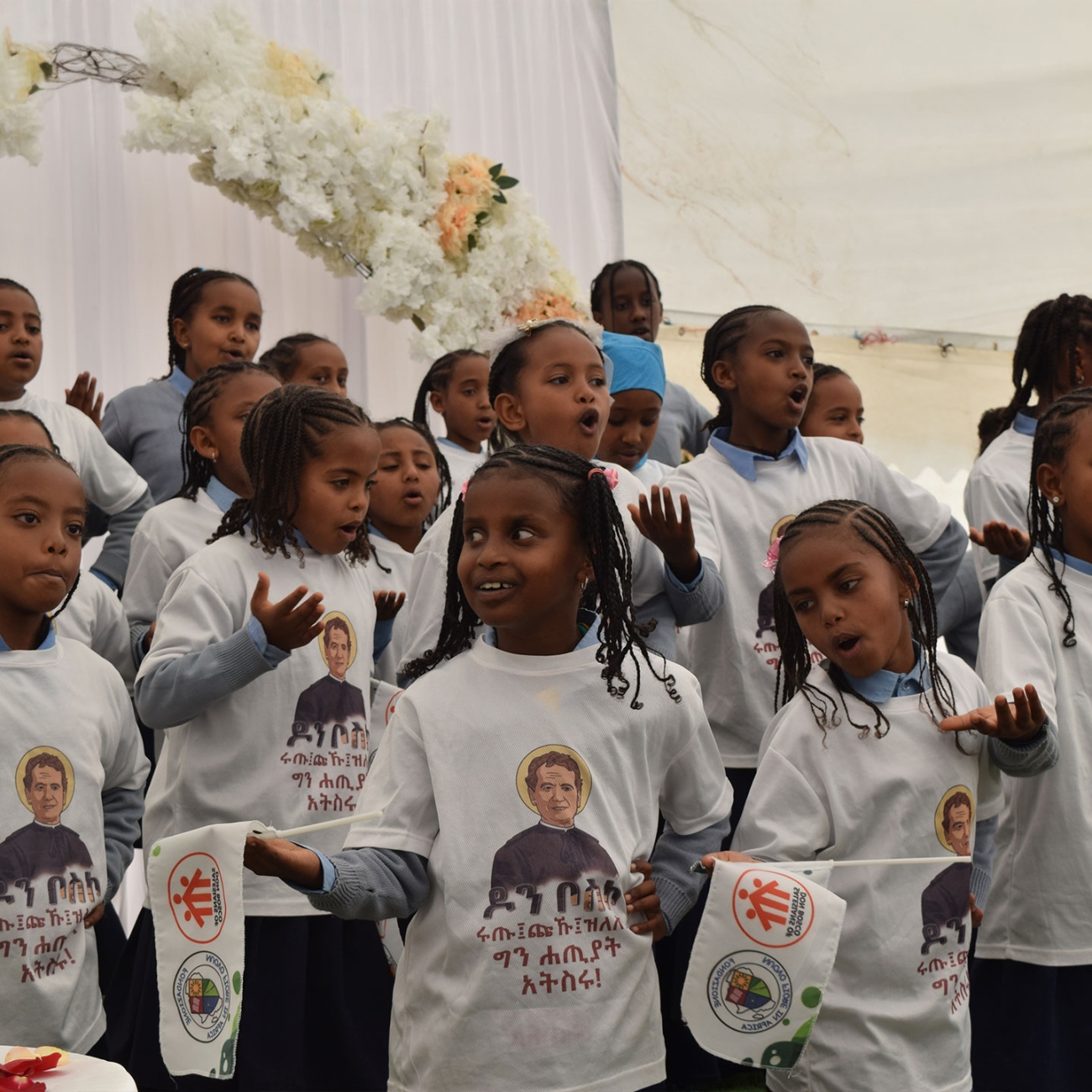
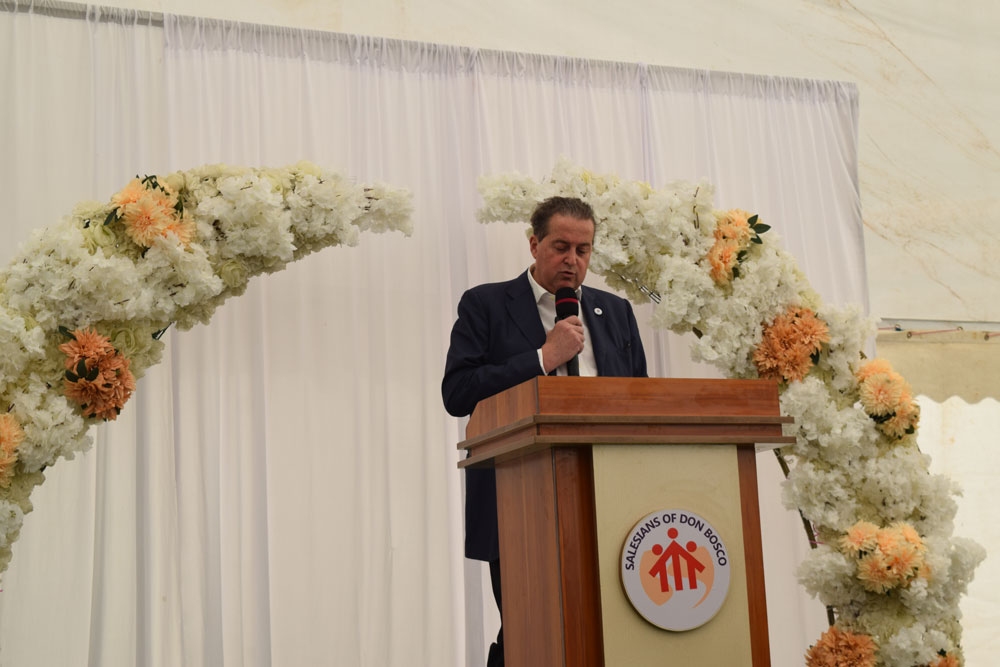
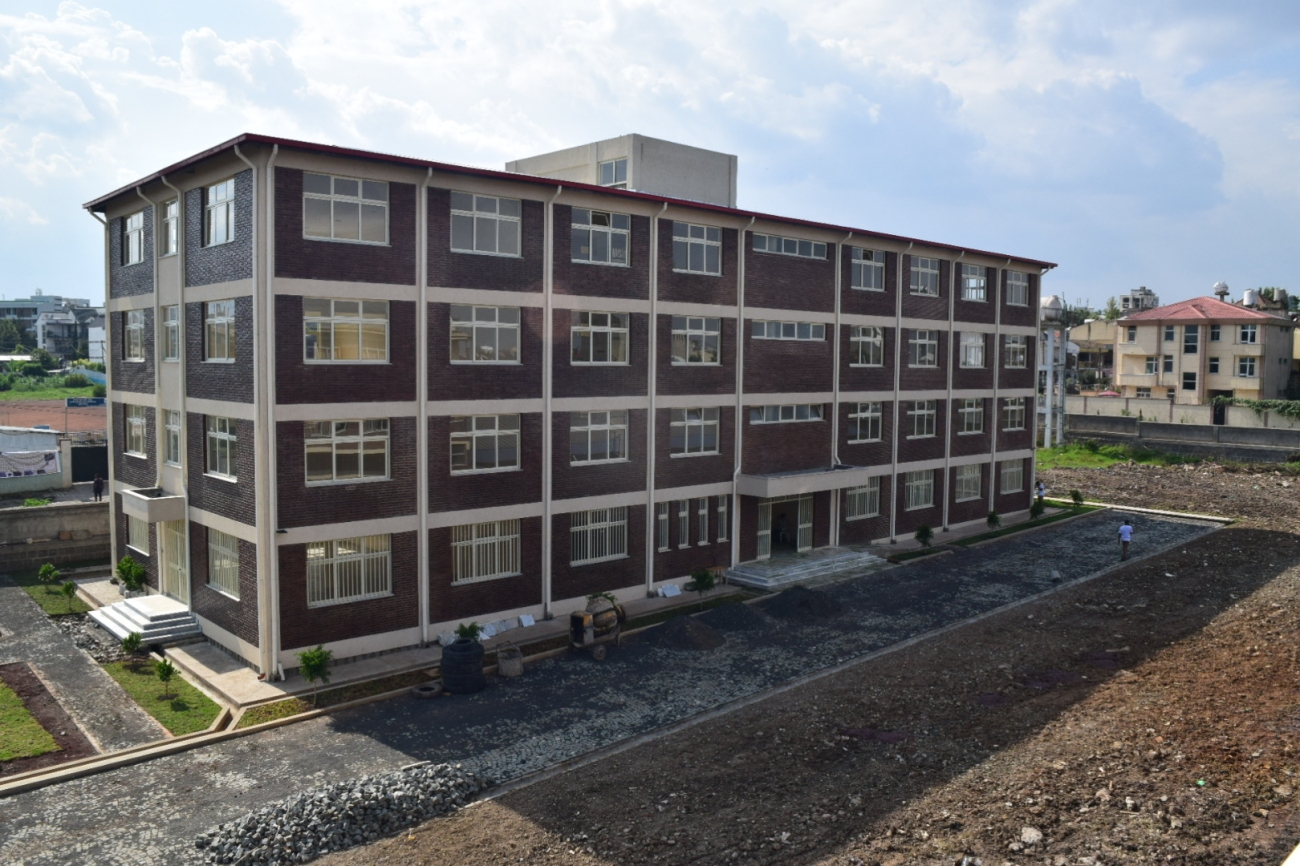
In 2022, the construction of a new professional school in Mekanissa, on the southern outskirts of Addis Ababa, in one of the capital's most populous and vulnerable neighborhoods, was started together with the Salesians of Don Bosco. The goal was clear: to offer modern and inclusive training opportunities to young people aged between 16 and 25, with particular attention to girls' access to the professional sectors most in demand in the urban job market.
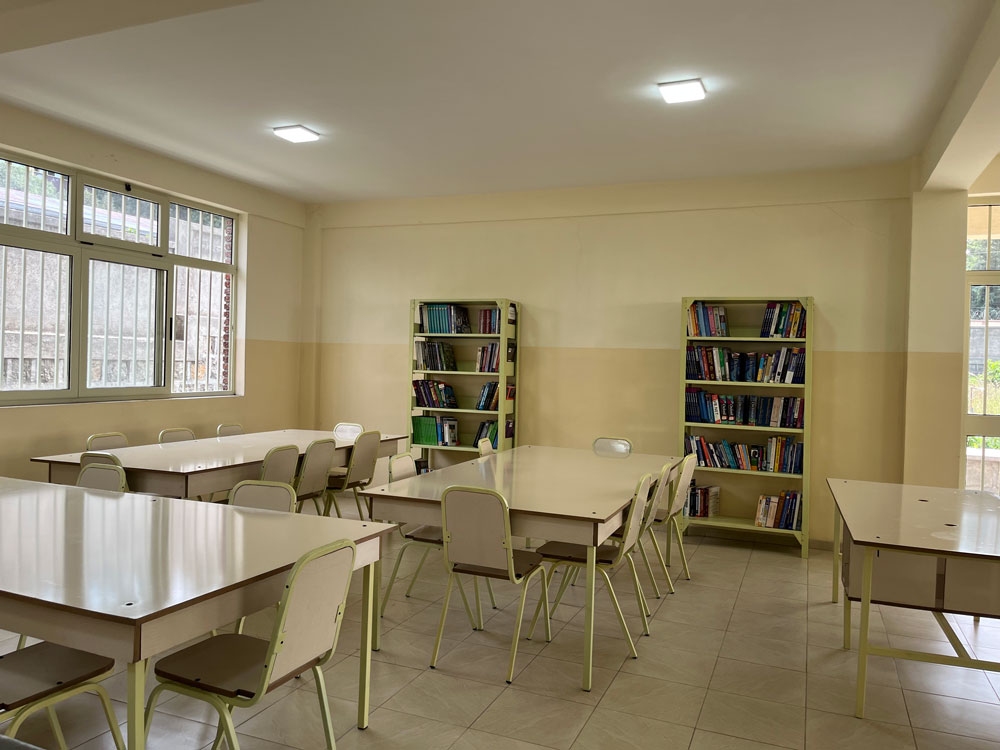
In 2025, we completed a three-story school building, built by a former Salesian student who is now an engineer, equipped with classrooms for accounting, marketing, and secretarial courses. The school will host about 200 students each year and involve a staff of 50 teachers and collaborators.
In a context like Ethiopia, where over 25% of urban youth are unemployed (World Bank, 2023) and only a third completes a post-primary training cycle (UNESCO, 2022), we believe that investing in vocational training is a concrete lever to promote social inclusion, decent employment, and youth entrepreneurship.
Today, thanks to this project, we can rely on a quality professional center, which will generate a positive impact for over 1,500 local families, offering a concrete alternative to marginalization and forced migration.
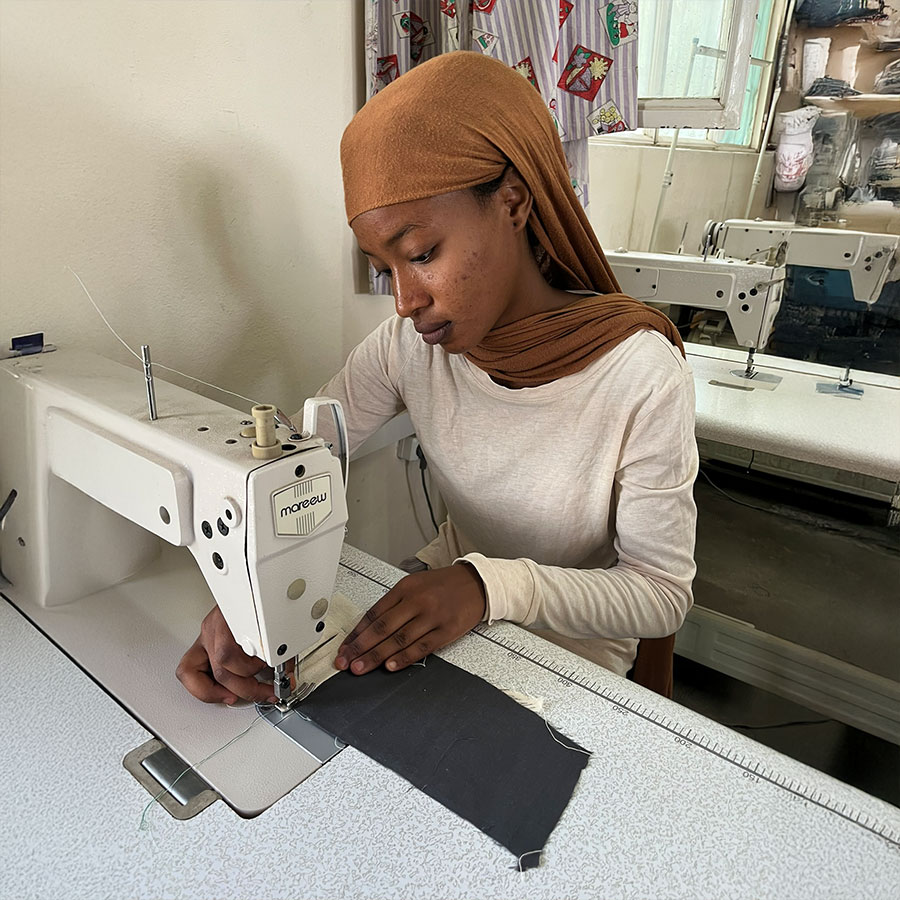
In Ethiopia, when speaking of soft skills, reference is made to those skills that do not require physical strength, but which still allow for useful and dignified work. These are activities like accounting, secretarial work, and basic computer skills: jobs that are often performed in an office, with paper, pen, and computer, and which open the door to new opportunities, especially for women and youth.
These skills are called "soft" not because they are easy or less important, but because they are physically lighter and more flexible.
Learning to use a computer, keep accounts for a small business, manage documents, or communicate effectively: these are all abilities that help people enter the world of work, become autonomous, and contribute to the growth of their community.
School infrastructures are the core of our interventions in Africa: without safe classrooms, adequate spaces, and modern tools, learning remains a privilege for a few. For this reason, we build and renovate schools, create laboratories and educational spaces that allow children and young people to grow up in dignified environments. Every new classroom is not just a building, but a seed of hope and future for entire communities.
Direct: 460
Indirect: 2,760
Mekanissa is a neighborhood in the capital Addis Ababa, largely inhabited by vulnerable families and migrants from rural areas. The area is distinguished by its cultural and religious vibrancy, but economic conditions are difficult: youth unemployment is high, and public services are insufficient compared to the growing population. The schools in the neighborhood face problems of overcrowding and a lack of adequate teaching materials. Despite the fragilities, Mekanissa represents a place rich in vitality and potential, where training plays a decisive role in offering opportunities to young people.
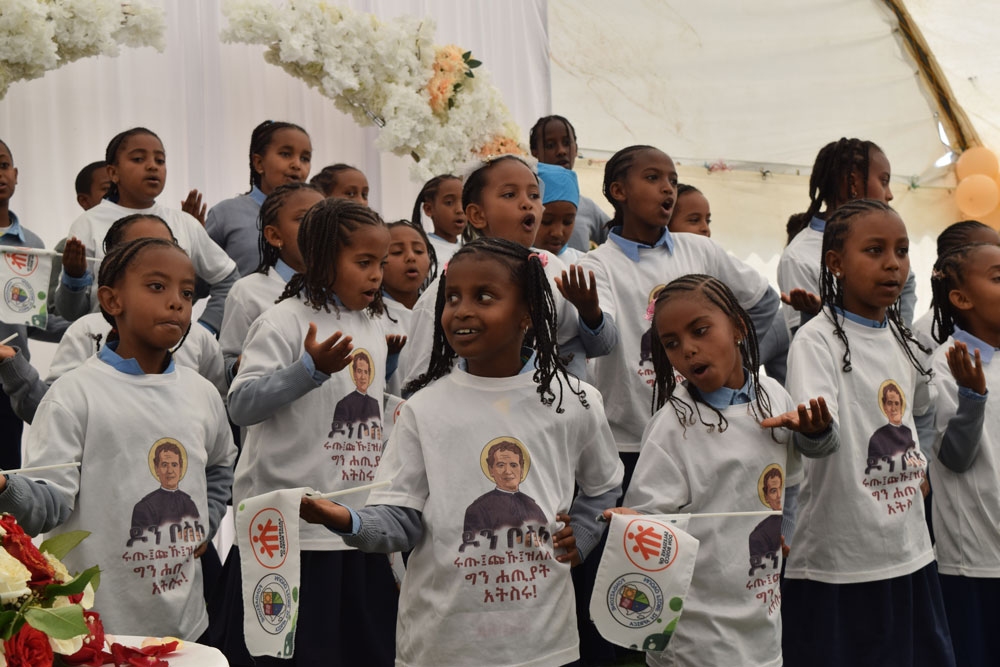
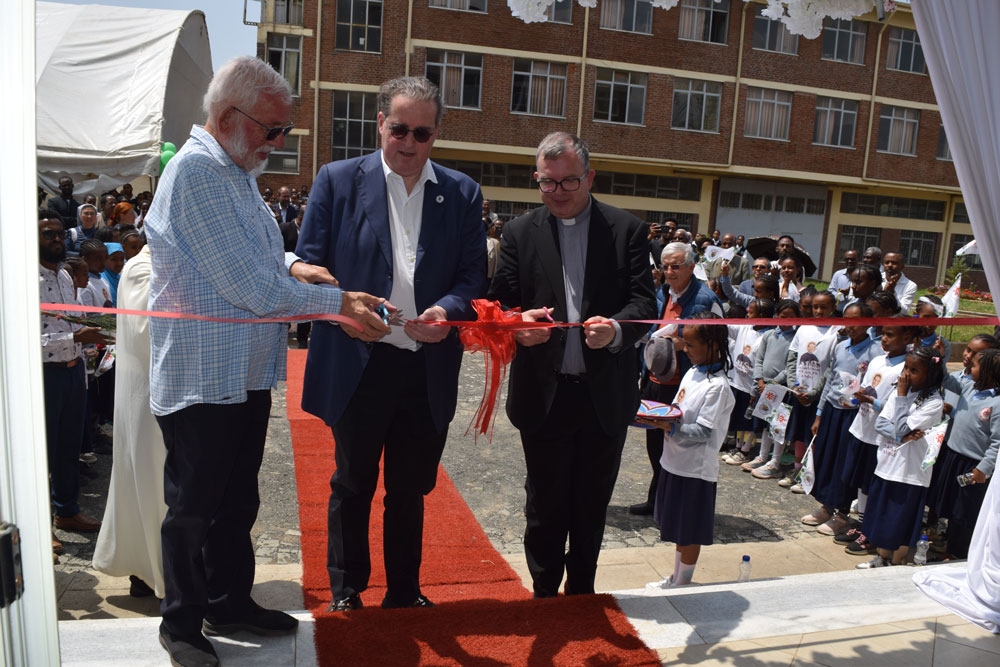
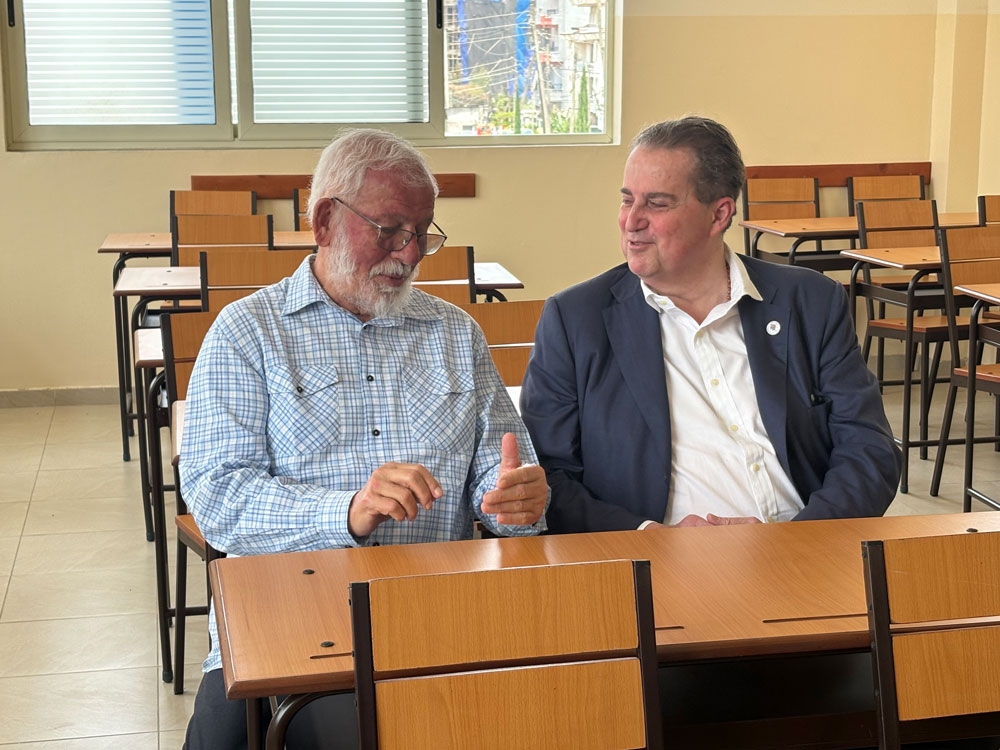
With the goal of supporting basic education and vocational training, the Foundation invests in infrastructure and initiatives addressing educational challenges such as the empowerment of girls and women.
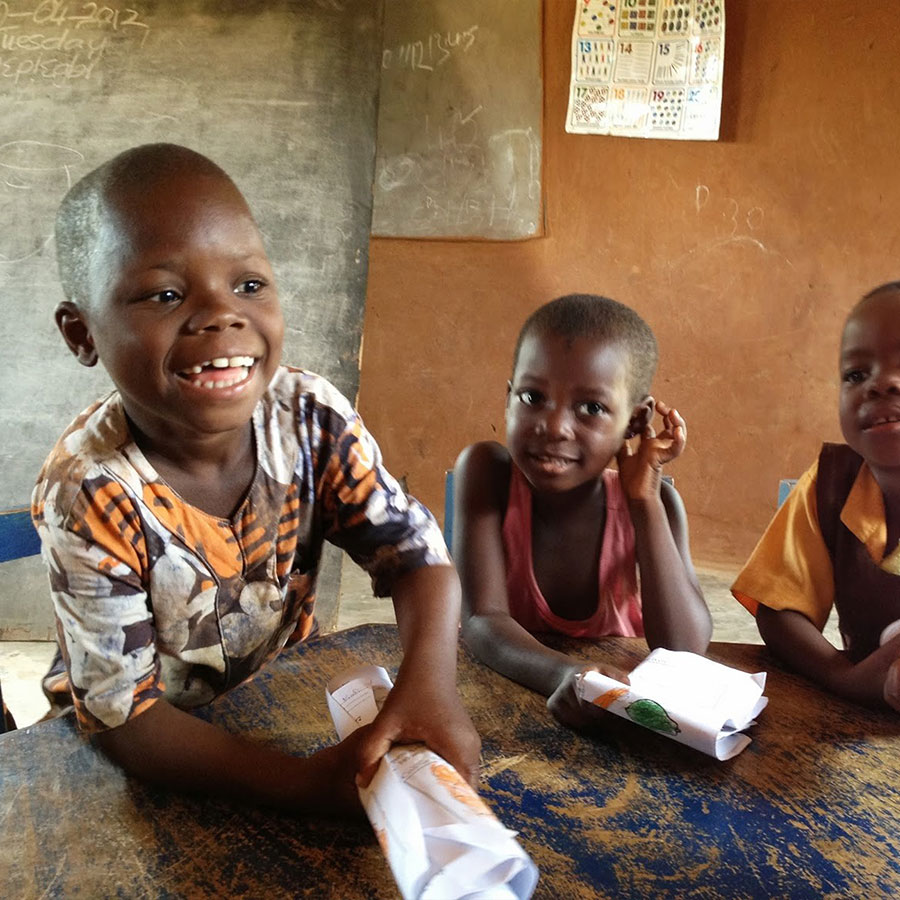
Each project is developed in collaboration with local communities and aims to promote education, personal growth, and sustainable development.
Support the mission of the Foundation
The Nuovo Fiore in Africa Foundation is recognized as a public utility organization, registered with the Federal Supervisory Authority, and all donations made are tax-deductible.