Dida: a school that grows with its community
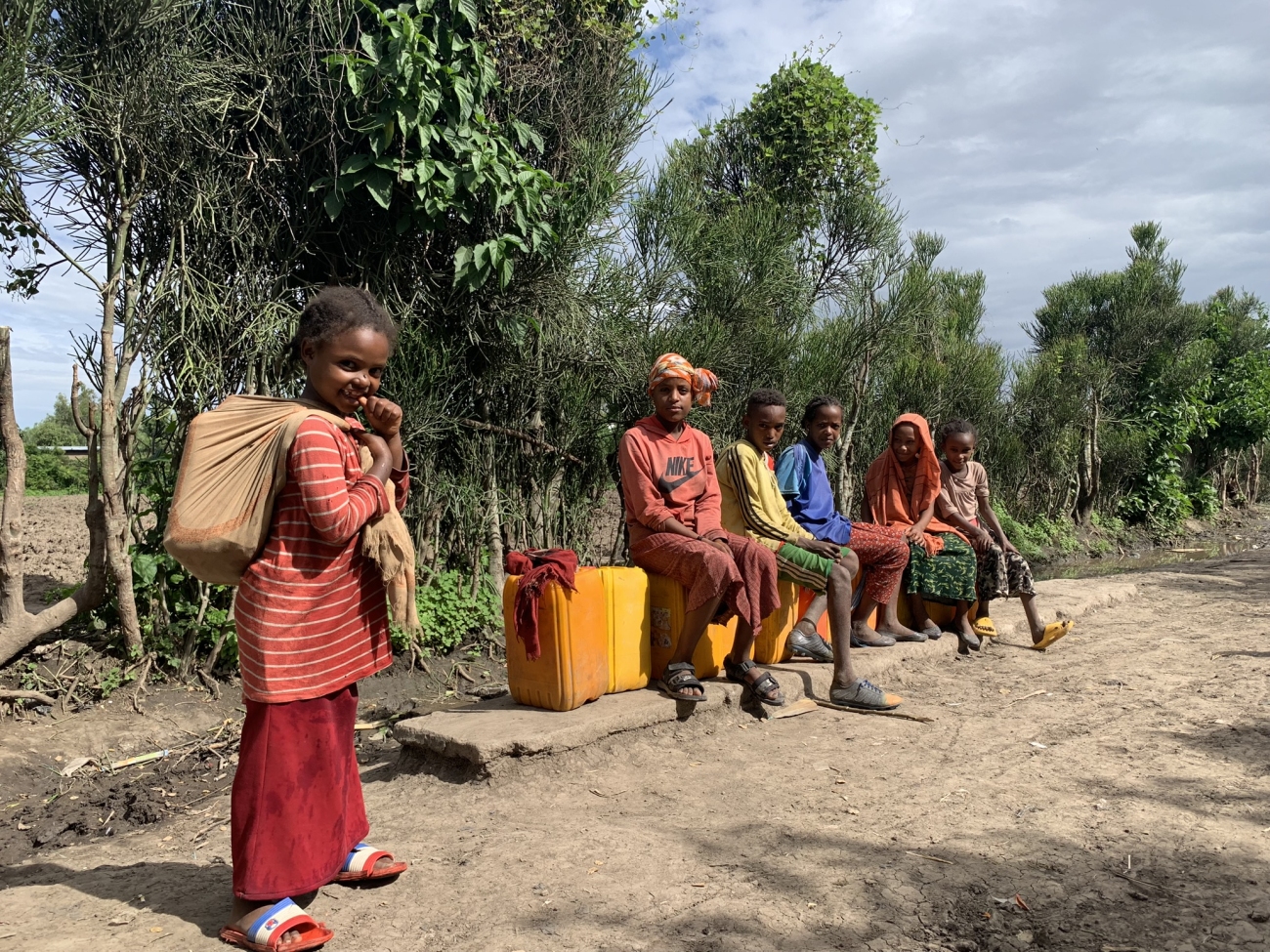
In the heart of Geter, an arid and remote region of Ethiopia, lies the village of Dida, home to about 10,000 people, mostly farmers practicing subsistence agriculture. Here, where drought is increasingly frequent and infrastructure is almost non-existent, access to drinking water and education is a daily challenge.
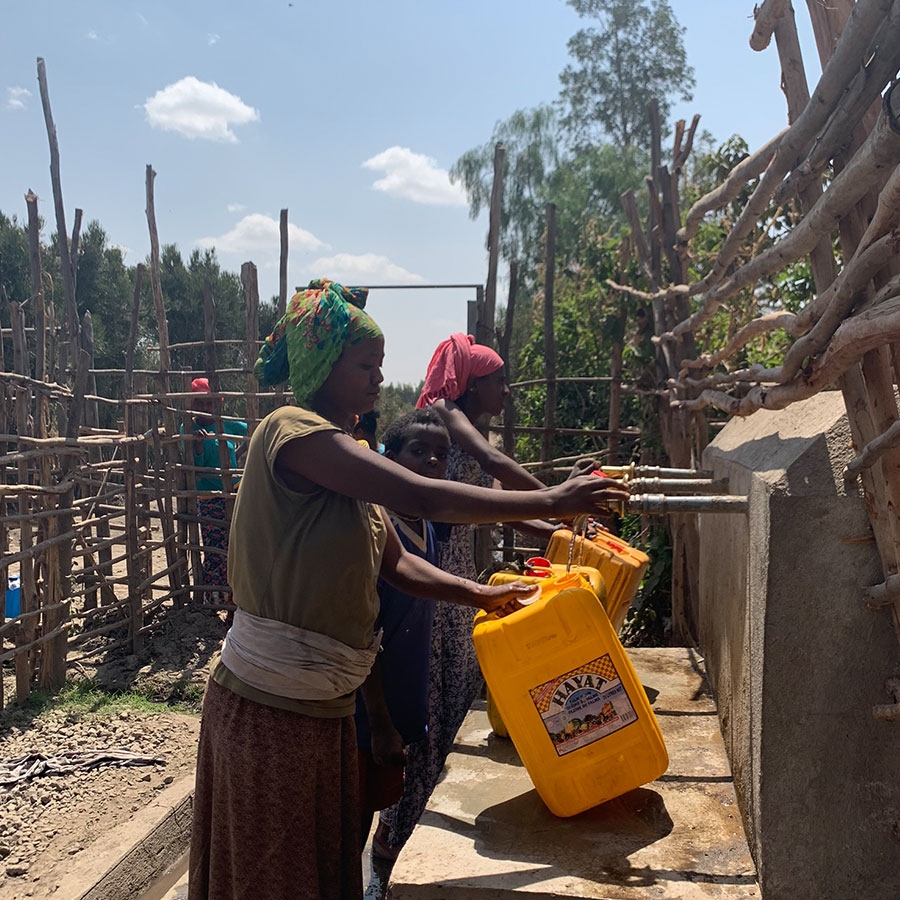
Between 2016 and 2018, the Salesian Fathers, with the support of our Foundation, carried out the "A school and water in Geter" project. It was a fundamental intervention: the nursery and primary school (grades 1-5) were expanded, toilets, showers, and a well for drinking water were built. A basketball court and new administrative spaces were also created. A project that improved the lives of over 300 children and benefited more than 2,000 people in the community, offering access to education, hygiene, and a precious commodity like water.
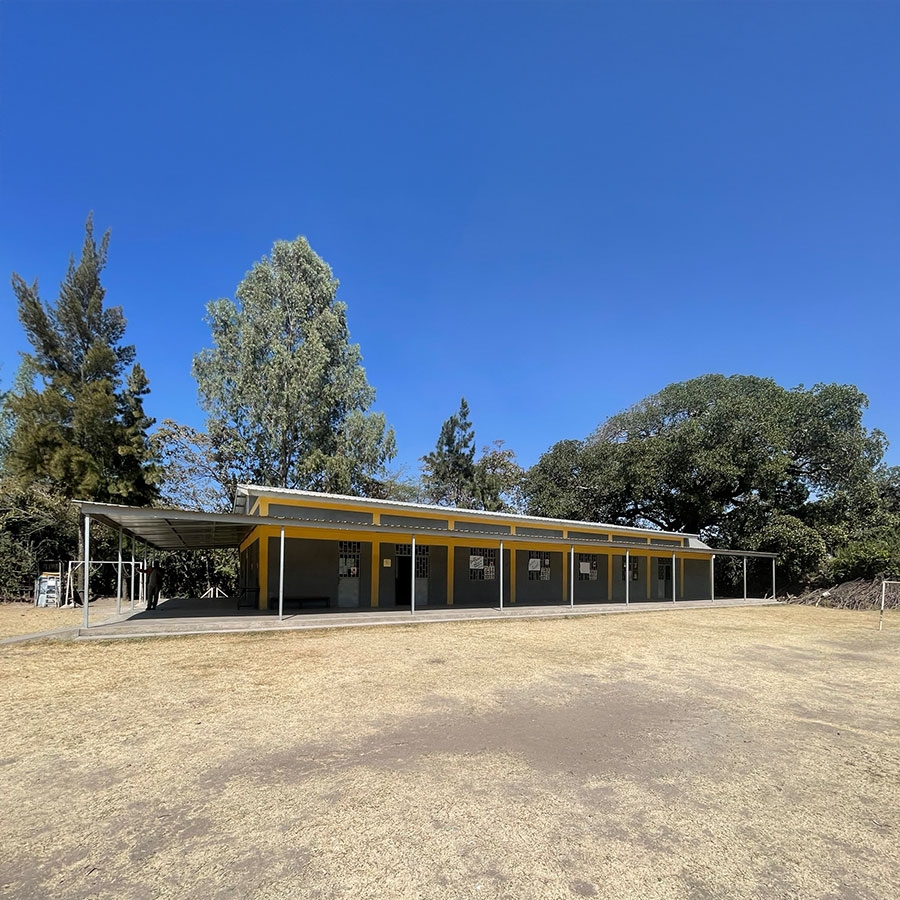
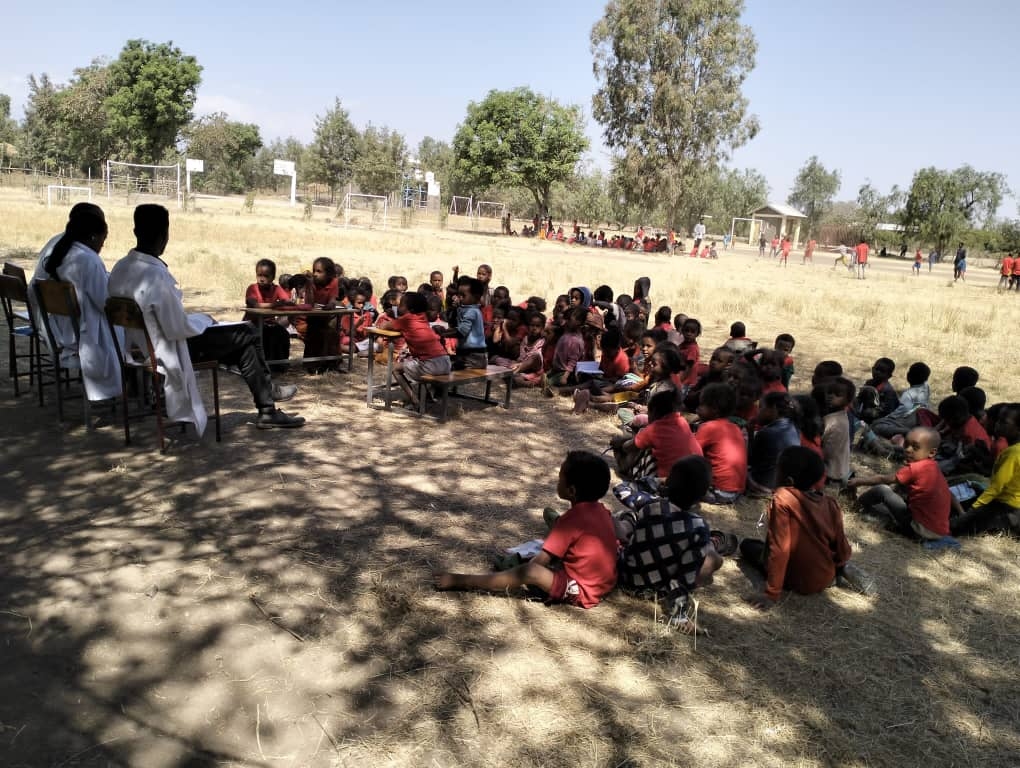
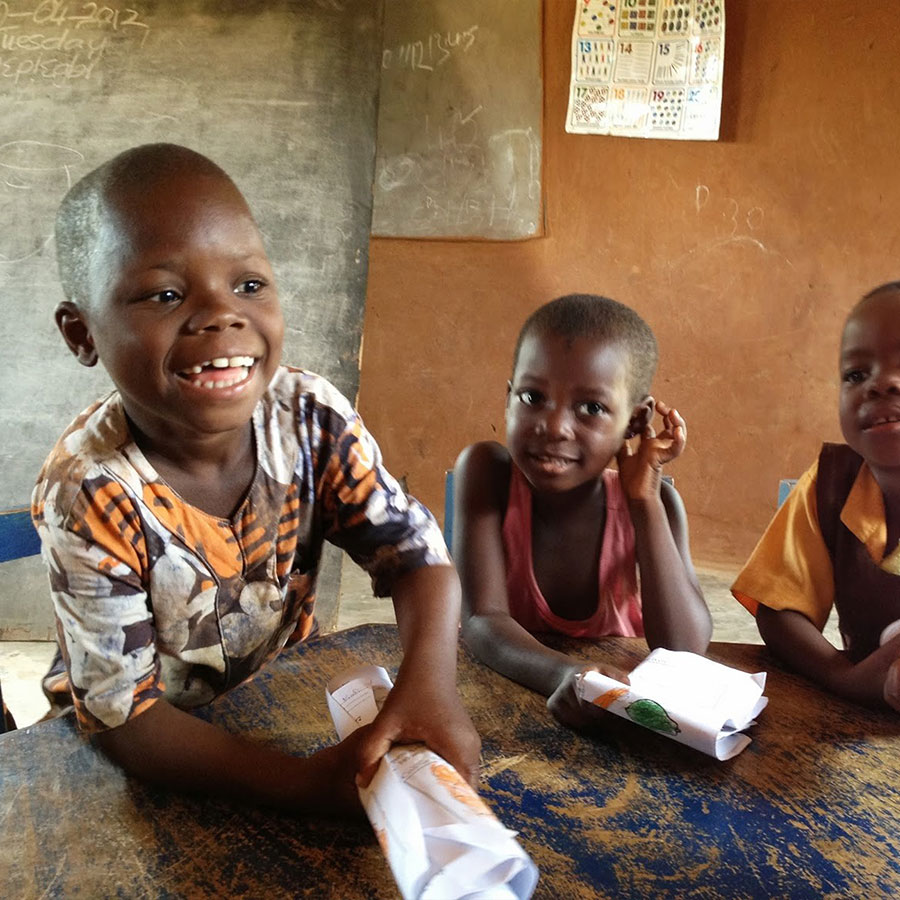
In 2023 and 2024, we returned to Dida to respond to a clear request from the community: to be able to complete the entire primary school cycle in the same village. Until recently, the school only went up to the fourth grade. For many children, this meant having to abandon their studies, because the nearest public schools were too far away or because their help was needed in the fields.
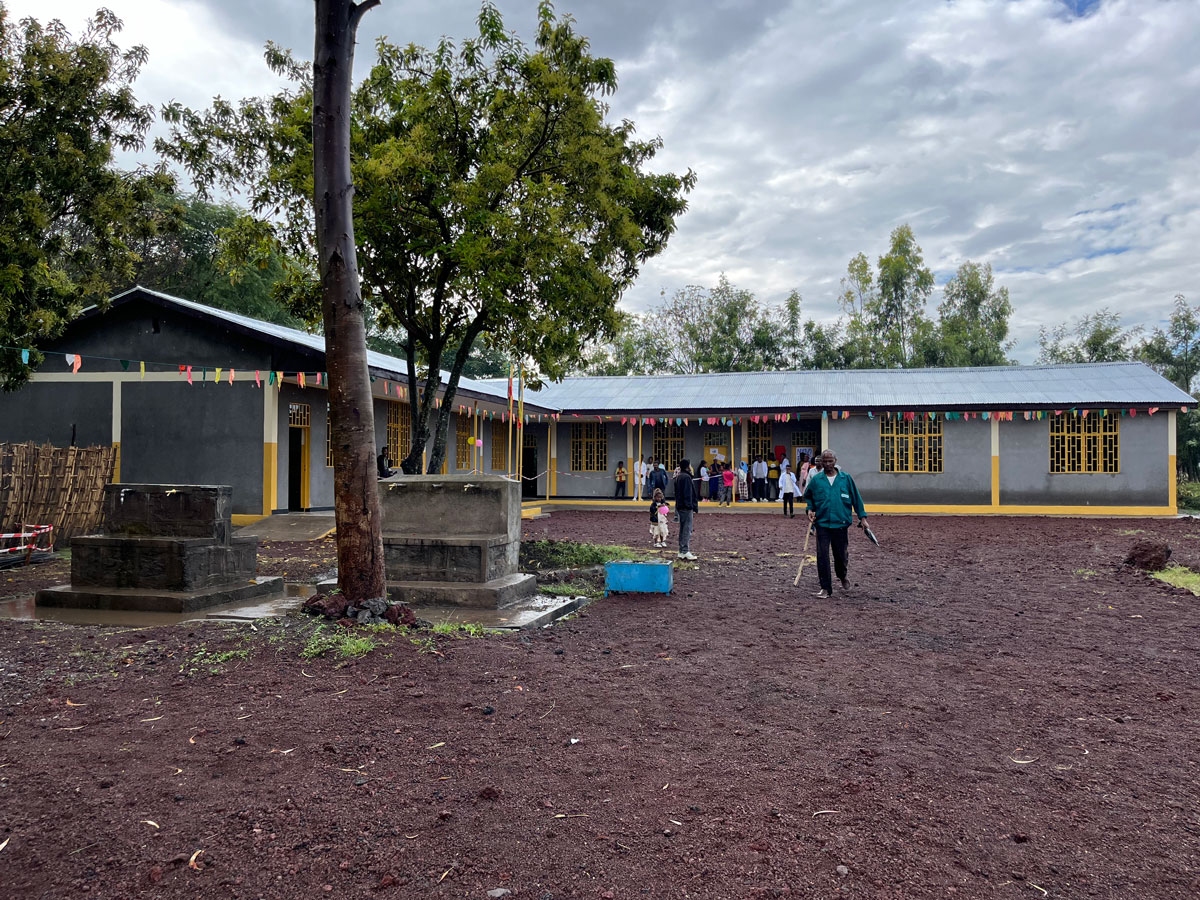
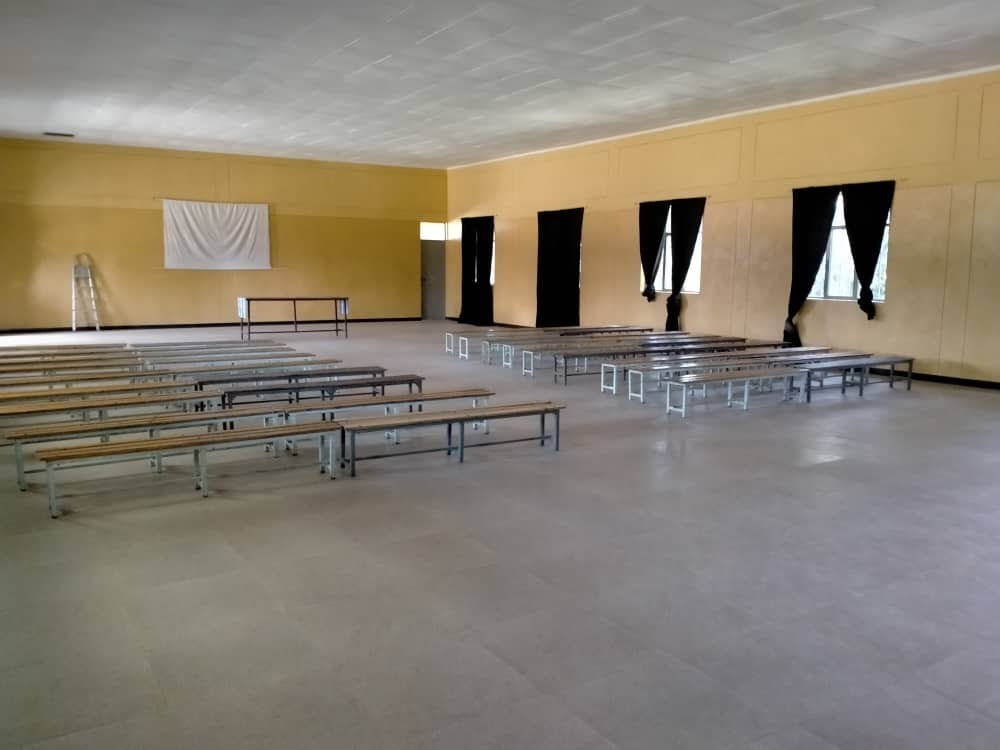
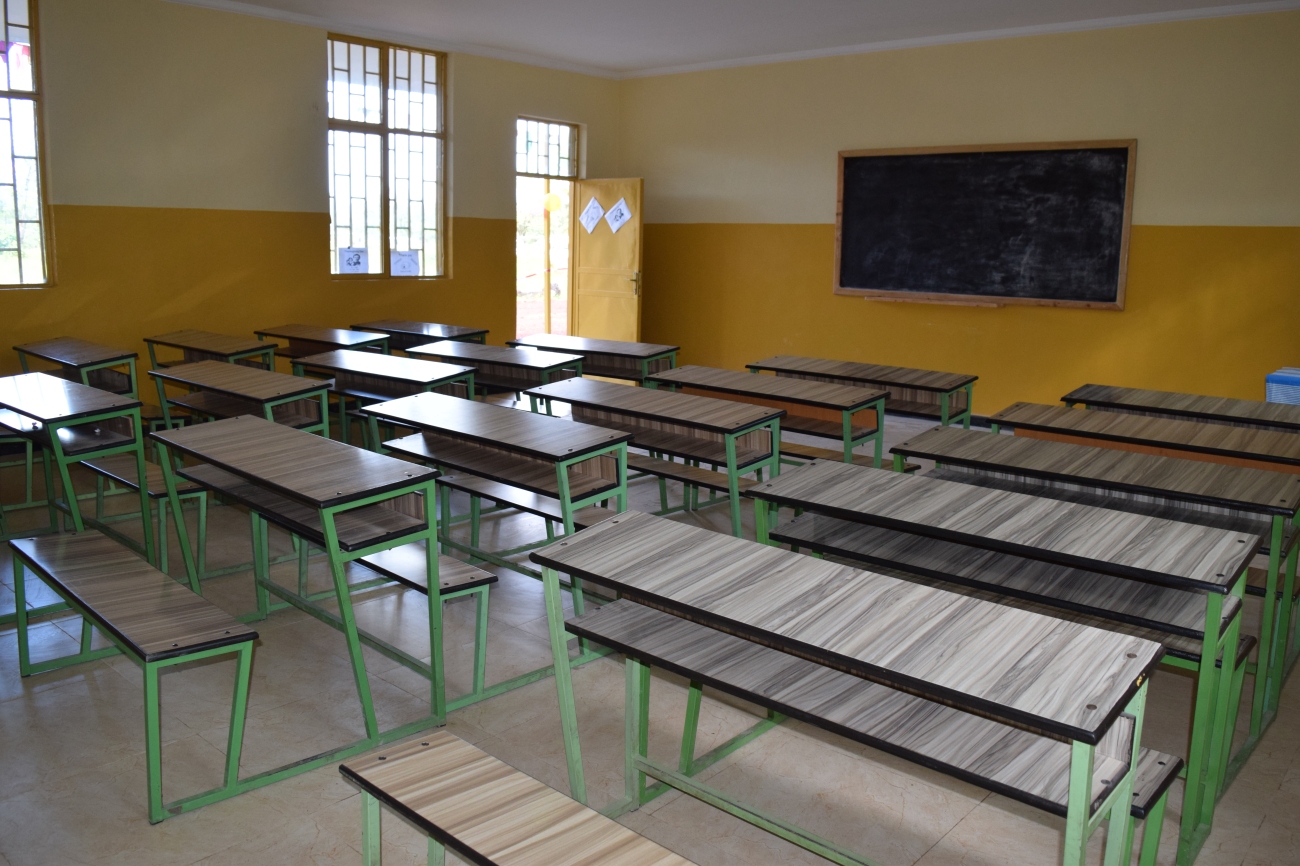
We therefore launched a new project to add grades five to eight, thus completing the primary cycle. Initially, two separate buildings were planned, but during construction, it was decided to build a single L-shaped building, which is more functional and suitable for the school's needs. Today, thanks to this intervention, 450 students can attend all primary classes without having to leave the village.
The project was also made possible by collaboration with the local government, which committed to guaranteeing teachers' salaries and providing school materials. The management of the school is entrusted to the Salesians of the Zway mission, while the community participated enthusiastically: despite economic difficulties, parents contributed with a collection, even offering symbolic goods such as eggs, a concrete sign of solidarity and participation.
Today, the Dida school is much more than a building: it is a place of growth, a reference point for the entire community, a center of education, health, and hope. An example of how, together, a fairer and more dignified future can be built for all.
School infrastructures are the heart of our interventions in Africa: without safe classrooms, adequate spaces, and modern tools, learning remains a privilege for a few. This is why we build and renovate schools, create laboratories and educational spaces that allow children and young people to grow up in dignified environments. Every new classroom is not just a building, but a seed of hope and future for entire communities.
Direct: 329 primary school students (2024-2025)
Indirect: 2,000
Dida is a small rural village located in the Geter region, characterized by agricultural landscapes and communities that live mainly on subsistence. Families cultivate corn, sorghum, and other cereals, but harvests are often uncertain due to irregular rains and the scarcity of modern tools. Widespread poverty is especially reflected in children, who often have to contribute to working in the fields instead of regularly attending school. Educational facilities are limited and distant, with overcrowded classrooms and insufficient materials, making quality learning difficult. Despite the difficulties, the Dida community is very cohesive, with strong social and cultural ties that allow them to face daily challenges together.
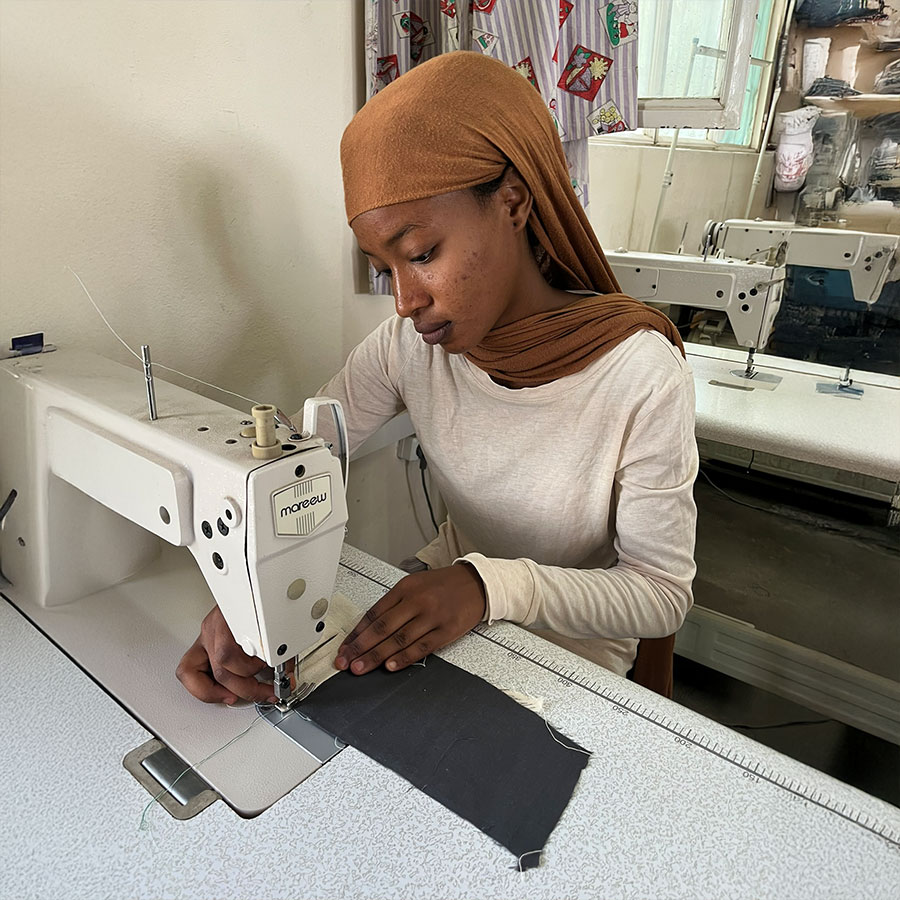
With the goal of supporting basic education and vocational training, the Foundation invests in infrastructure and initiatives addressing educational challenges such as the empowerment of girls and women.
Each project is developed in collaboration with local communities and aims to promote education, personal growth, and sustainable development.
Support the mission of the Foundation
The Nuovo Fiore in Africa Foundation is recognized as a public utility organization, registered with the Federal Supervisory Authority, and all donations made are tax-deductible.