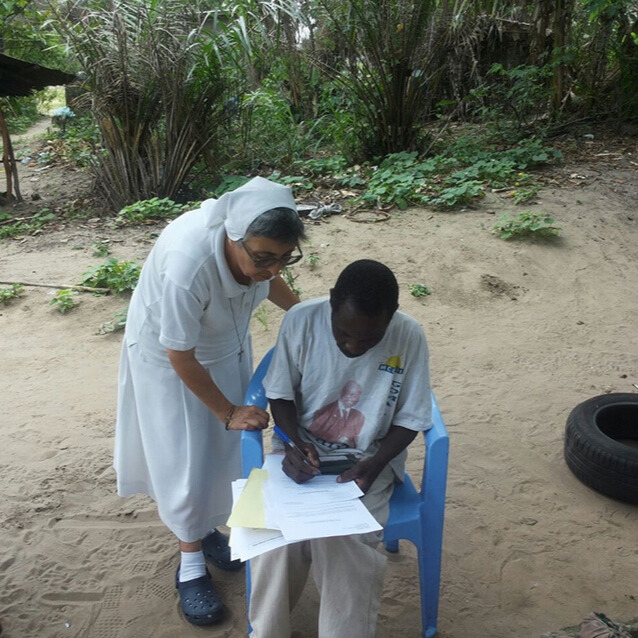
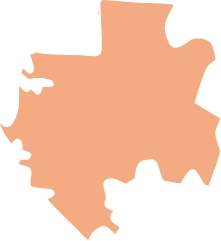
In 2014, we supported a basic education project in Libreville, the capital of Gabon, aimed at young women and girls who were victims of domestic slavery. The program was created to address an often invisible reality: many children, especially those from rural areas or poor families, are entrusted to relatives or urban families with the promise of a better life, but end up employed as domestic workers without access to school or personal freedom.
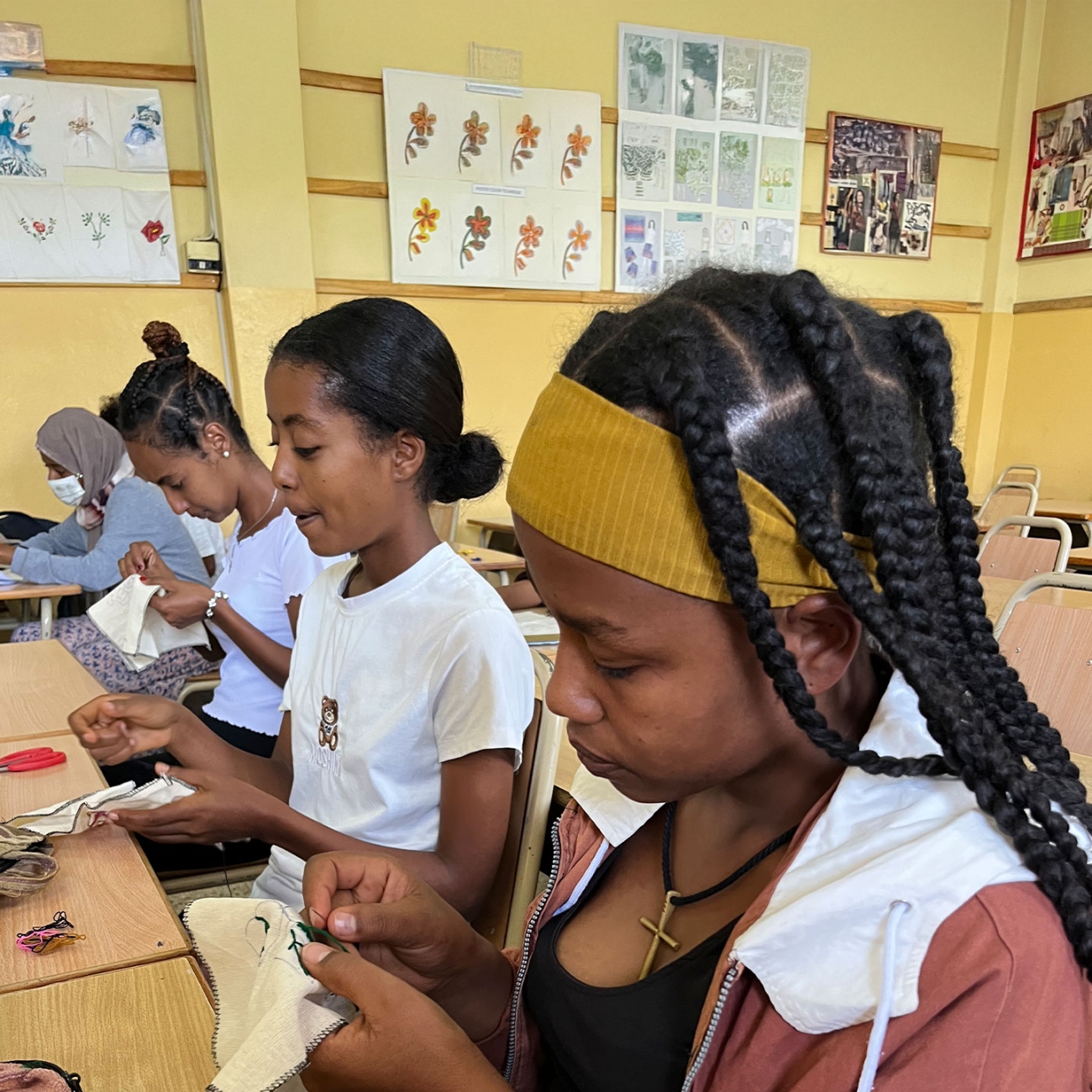
Our intervention included awareness-raising activities for families, information campaigns in popular neighborhoods, and the establishment of literacy courses in safe environments, conducted by dedicated teachers.
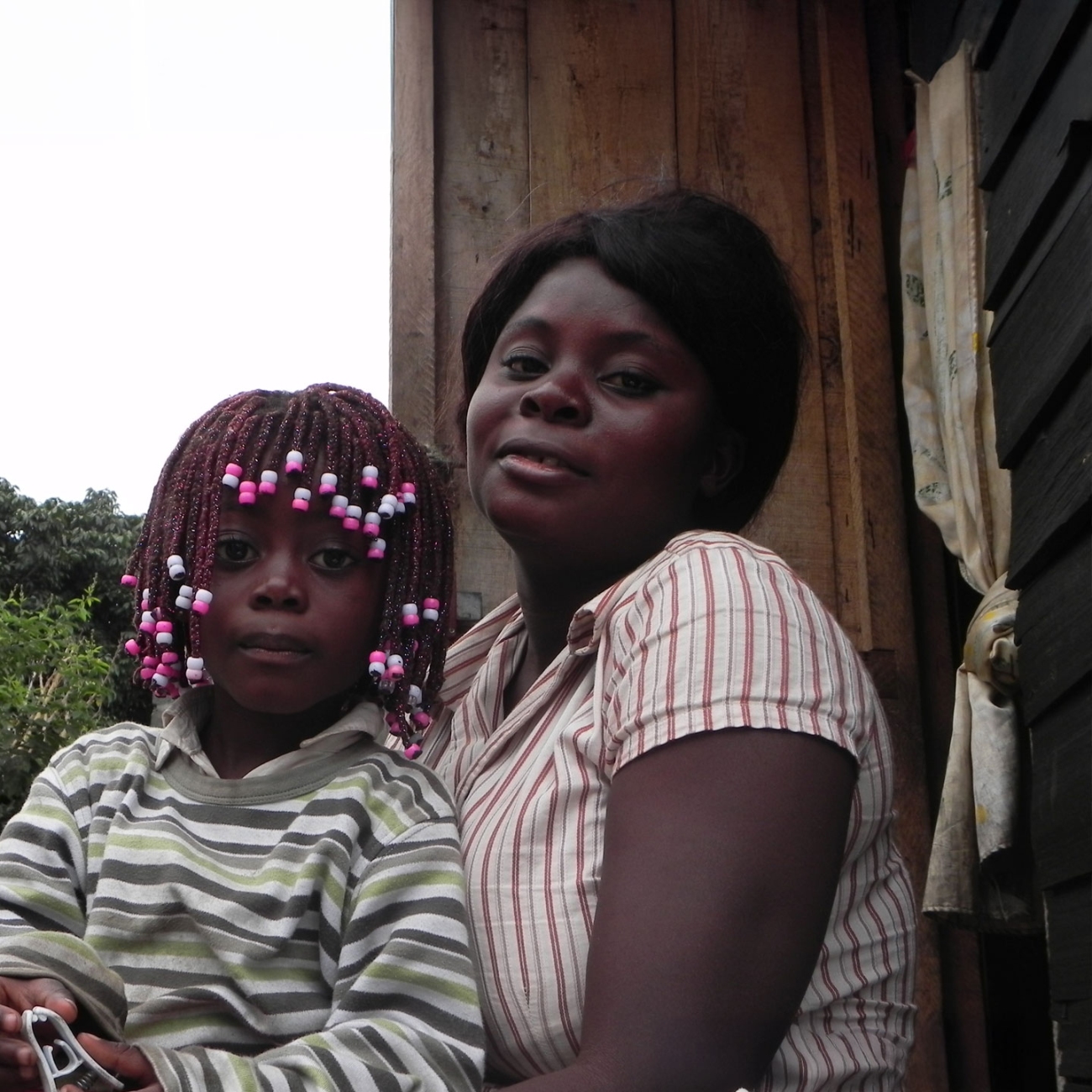
We reached 40 girls and young women, often illiterate and completely excluded from the educational system, offering them not only the opportunity to learn to read and write but also to regain self-confidence and start a path towards emancipation.
In Gabon, it is estimated that over 30,000 children live in conditions of child labor or domestic exploitation (UNICEF), and according to the ILO, 30% of girls aged 10 to 17 employed as domestic workers have never attended school. Literacy, in this context, becomes an essential tool to escape marginalization and regain one's rights.
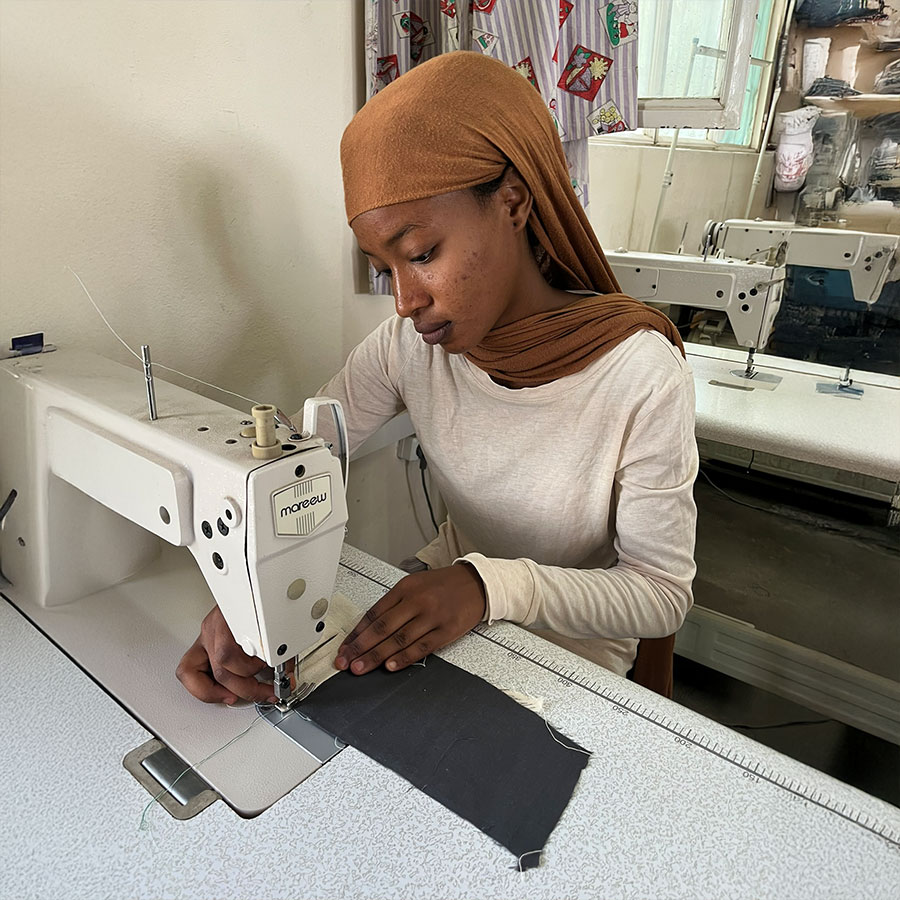
Women's empowerment means offering tools and opportunities to strengthen autonomy, skills, and active participation in society. Through training and concrete support, we help women become protagonists of change in their communities.
Direct: 42
Indirect: 252
Libreville, the capital of Gabon, is a dynamic city, the country's political and economic center, where cultural and artistic activities are concentrated, along with a young population with a great desire to grow. This vitality represents an important resource, but it coexists with strong inequalities: many adults and young people have not completed basic schooling and still live in conditions of illiteracy or semi-illiteracy. The most affected groups are women and young people from disadvantaged families, often forced to give up their studies for economic reasons. In this context, literacy programs become fundamental for valuing the community's potential, strengthening social inclusion, and transforming the capacities of young people into concrete opportunities for the future.
With the goal of supporting basic education and vocational training, the Foundation invests in infrastructure and initiatives addressing educational challenges such as the empowerment of girls and women.
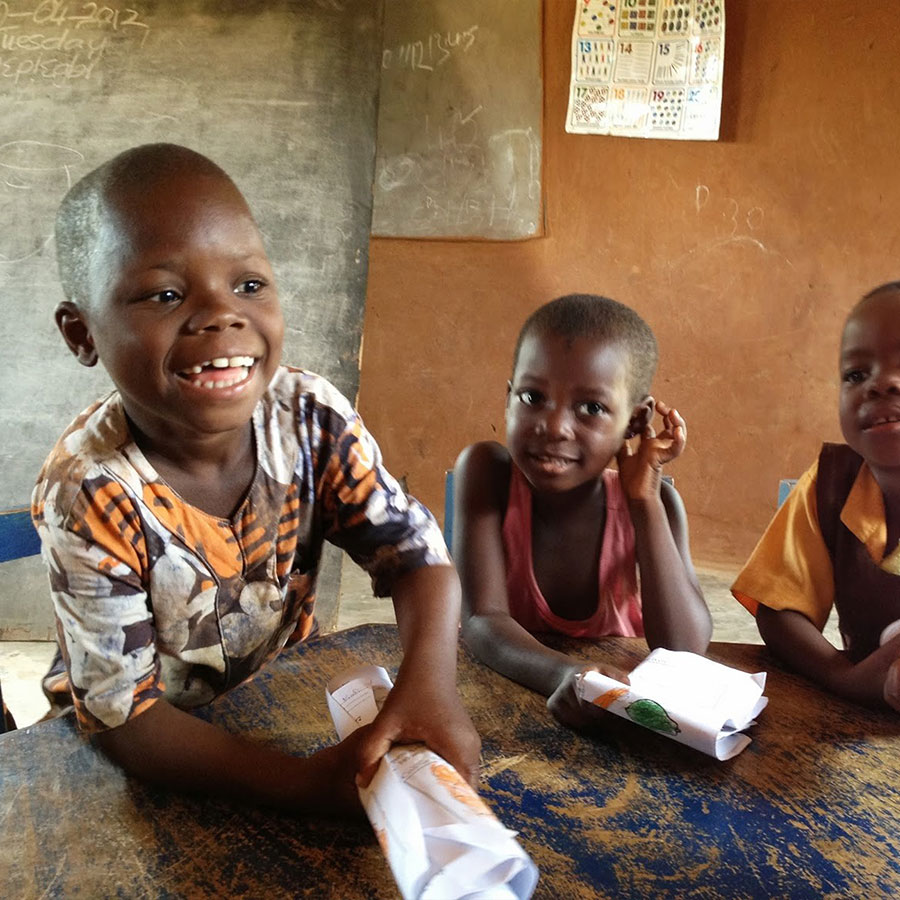
Each project is developed in collaboration with local communities and aims to promote education, personal growth, and sustainable development.
Support the mission of the Foundation
The Nuovo Fiore in Africa Foundation is recognized as a public utility organization, registered with the Federal Supervisory Authority, and all donations made are tax-deductible.