Nuovo Fiore in Africa
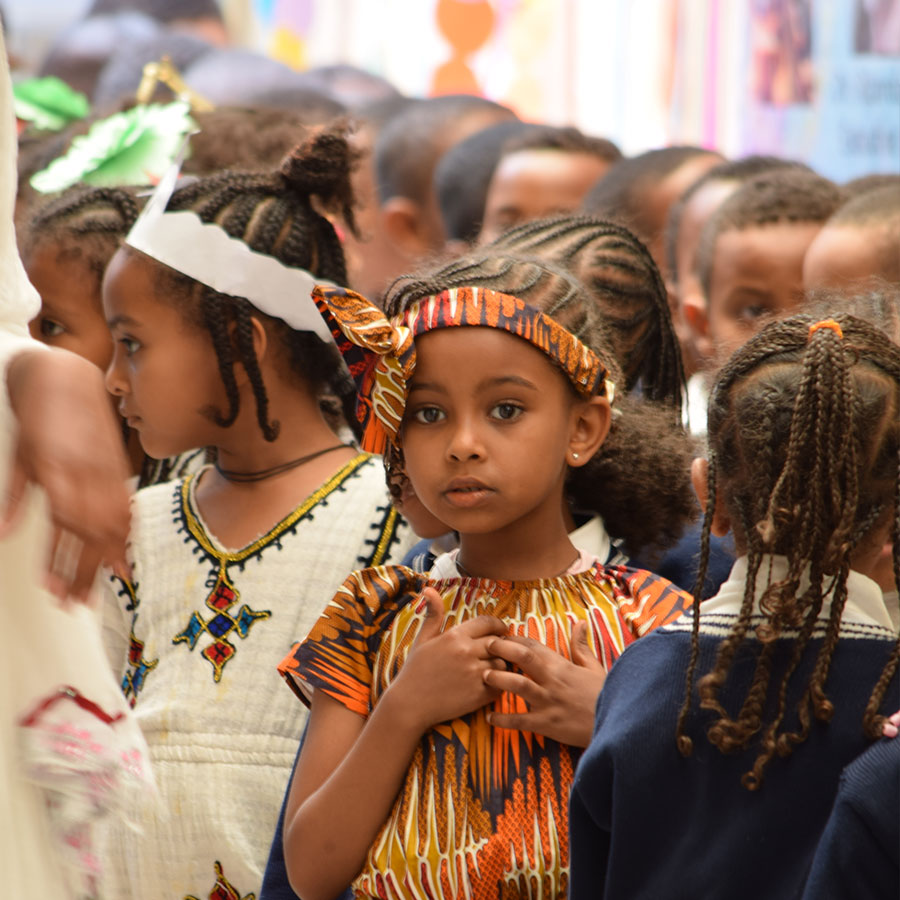
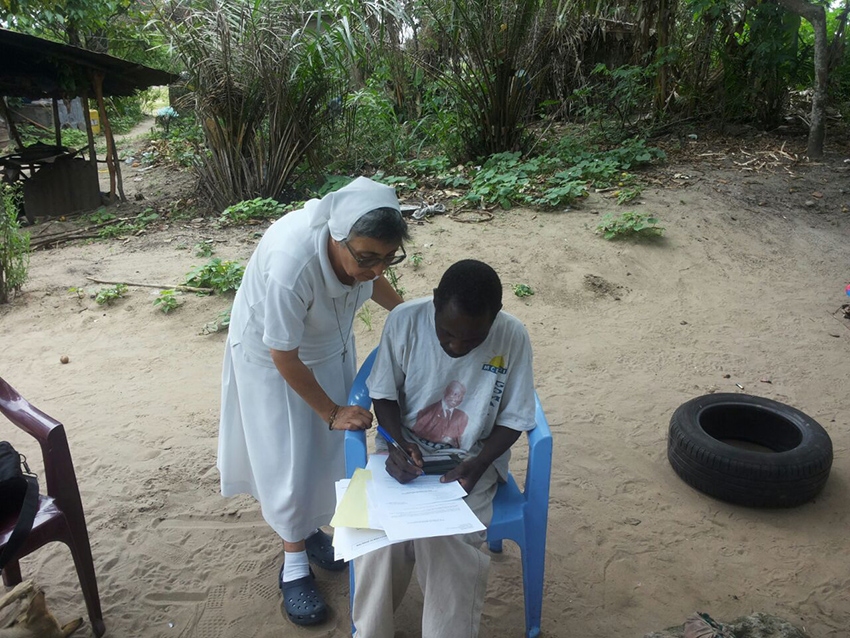
The Fondazione Nuovo Fiore in Africa has a project manager who maintains constant relations with the local contacts. Proposals and projects must be submitted through an application form to be requested and are submitted to the project manager, the President and the Foundation Board. Their approval and subsequent support are evaluated each time always in reference to the mission, vision and statutory purposes.
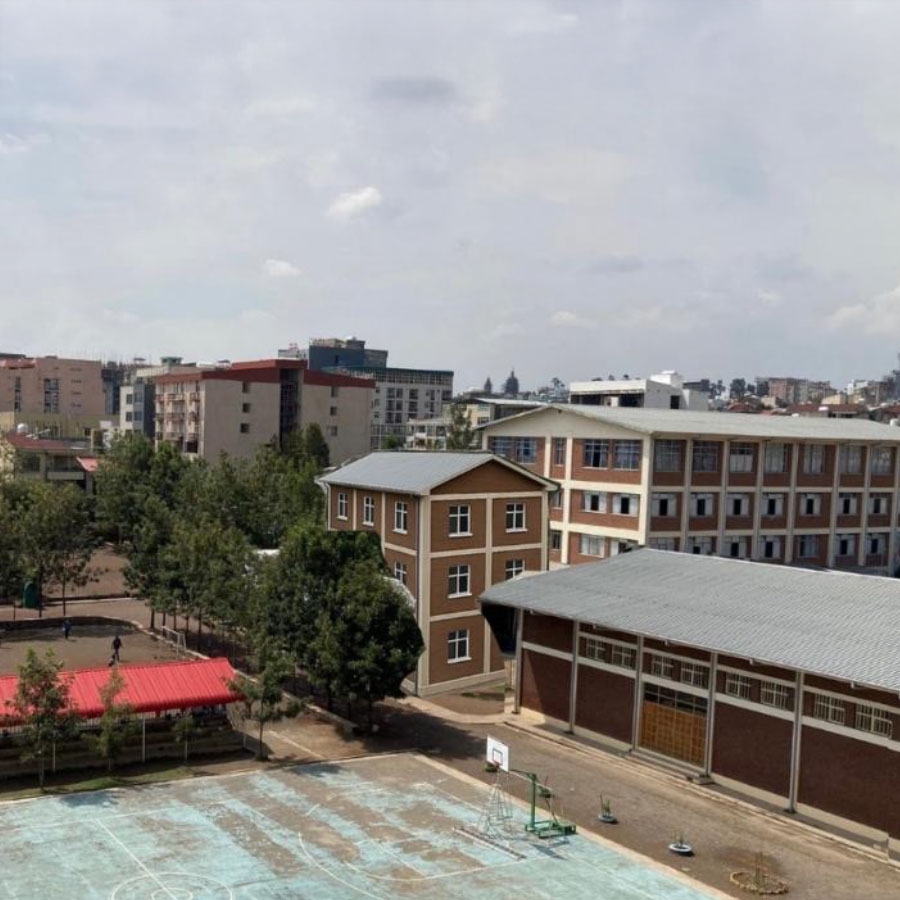
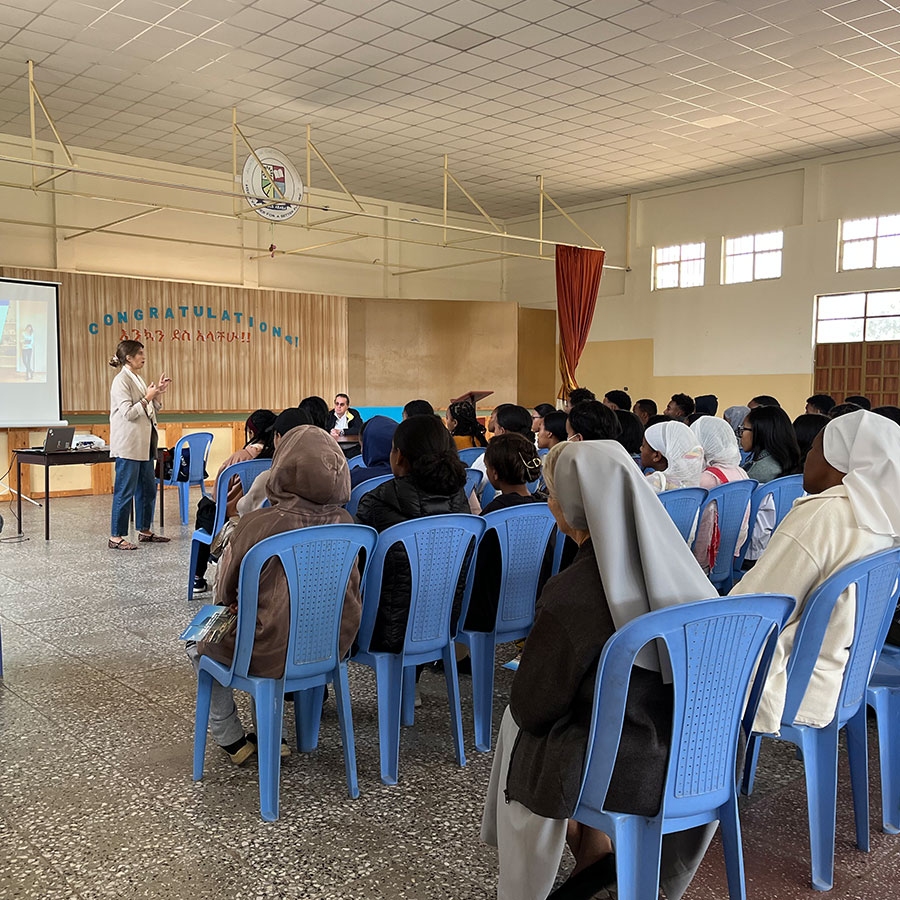
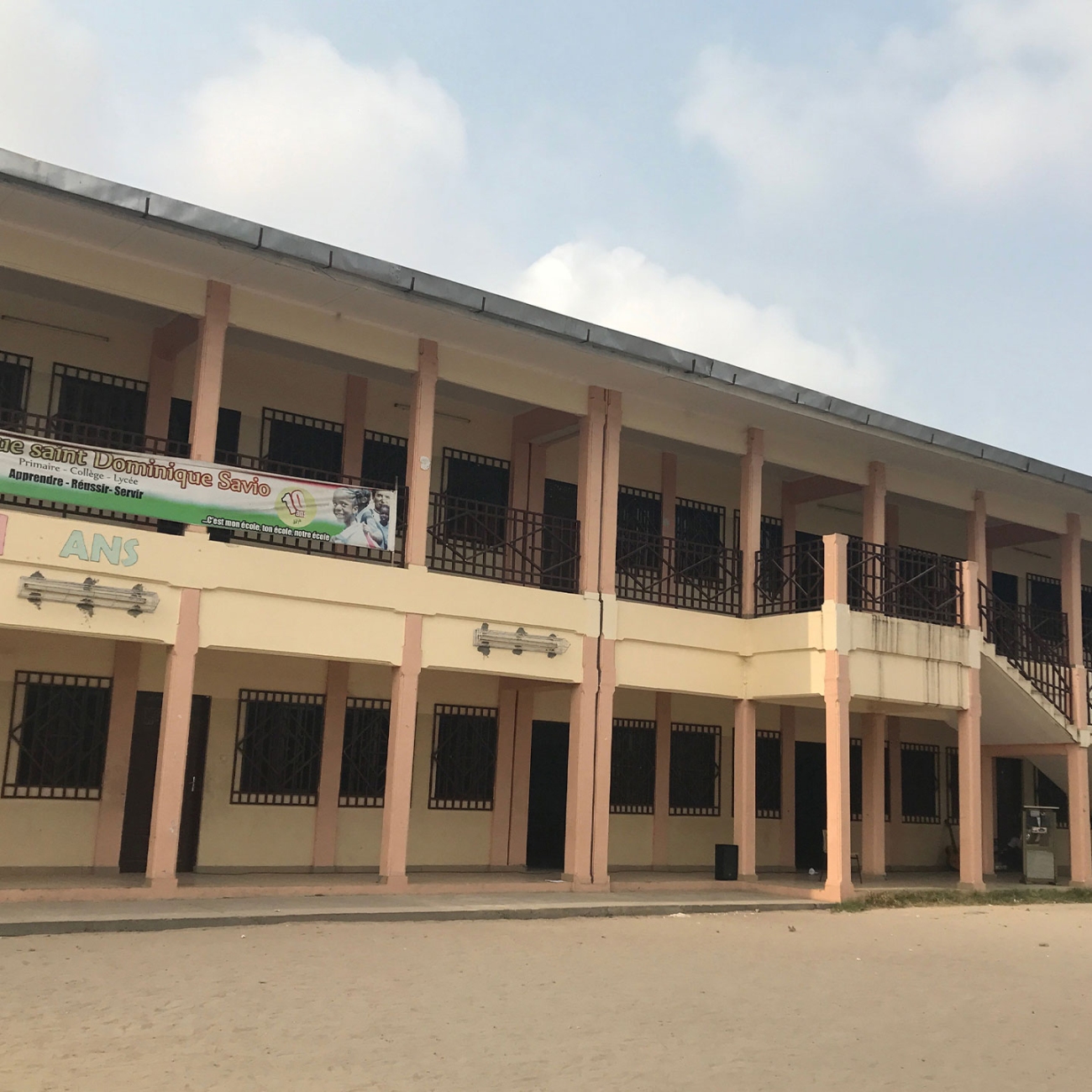
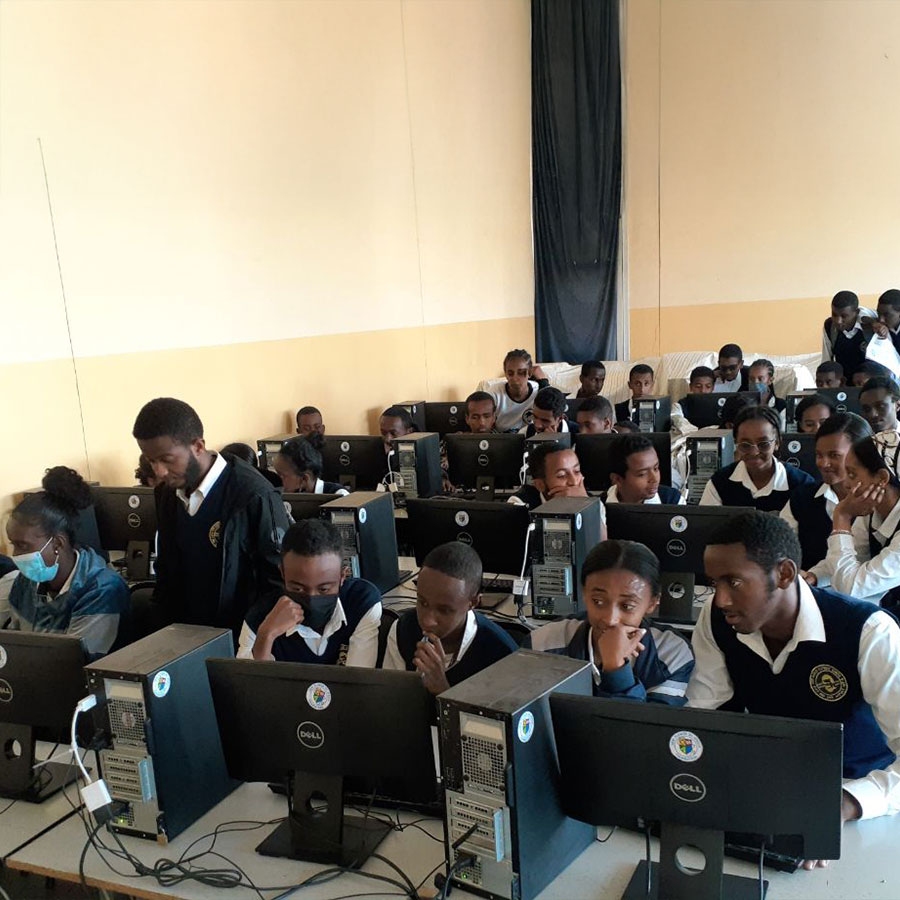
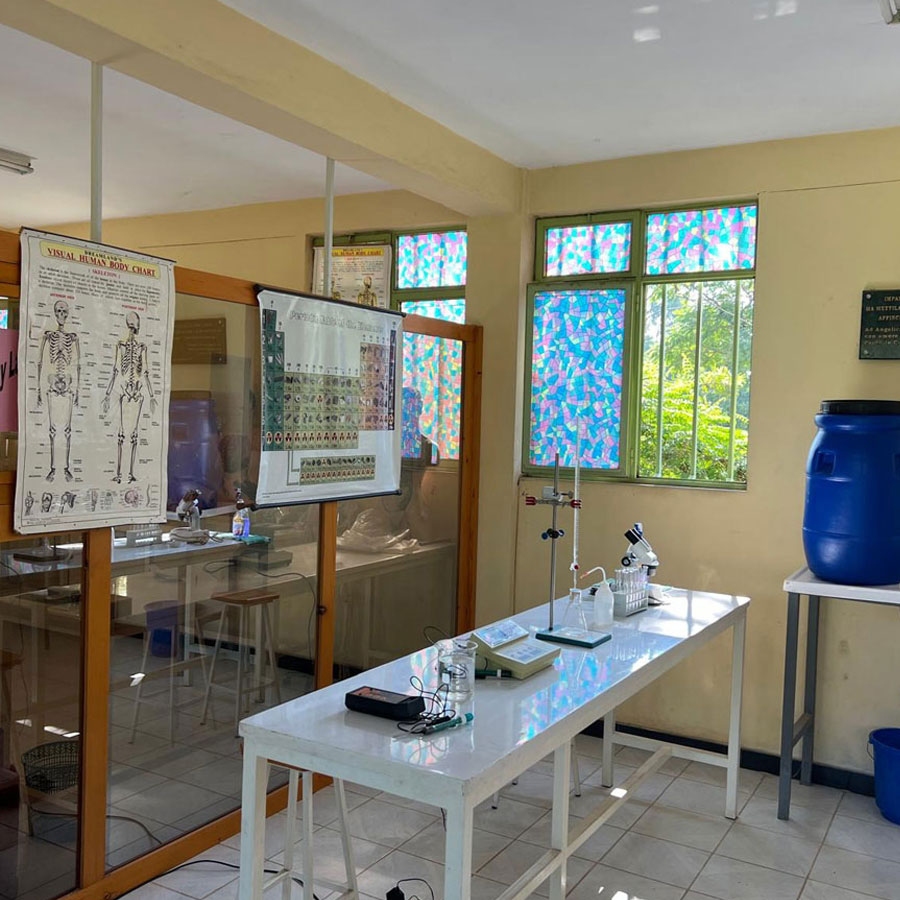
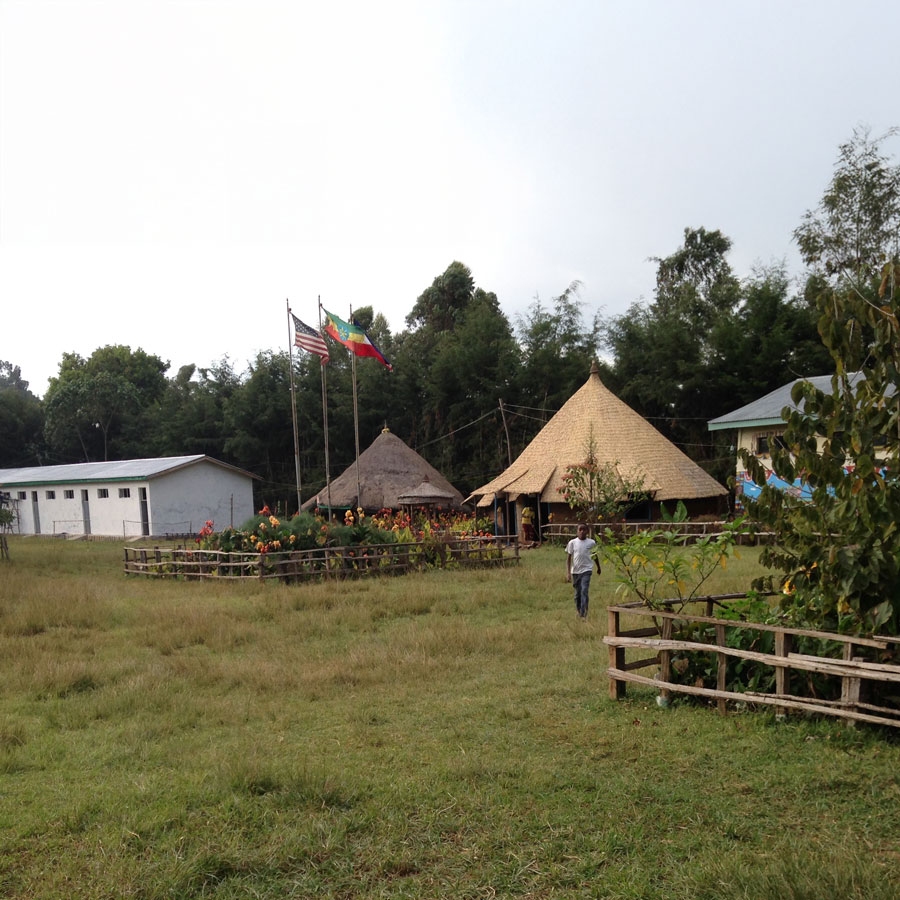
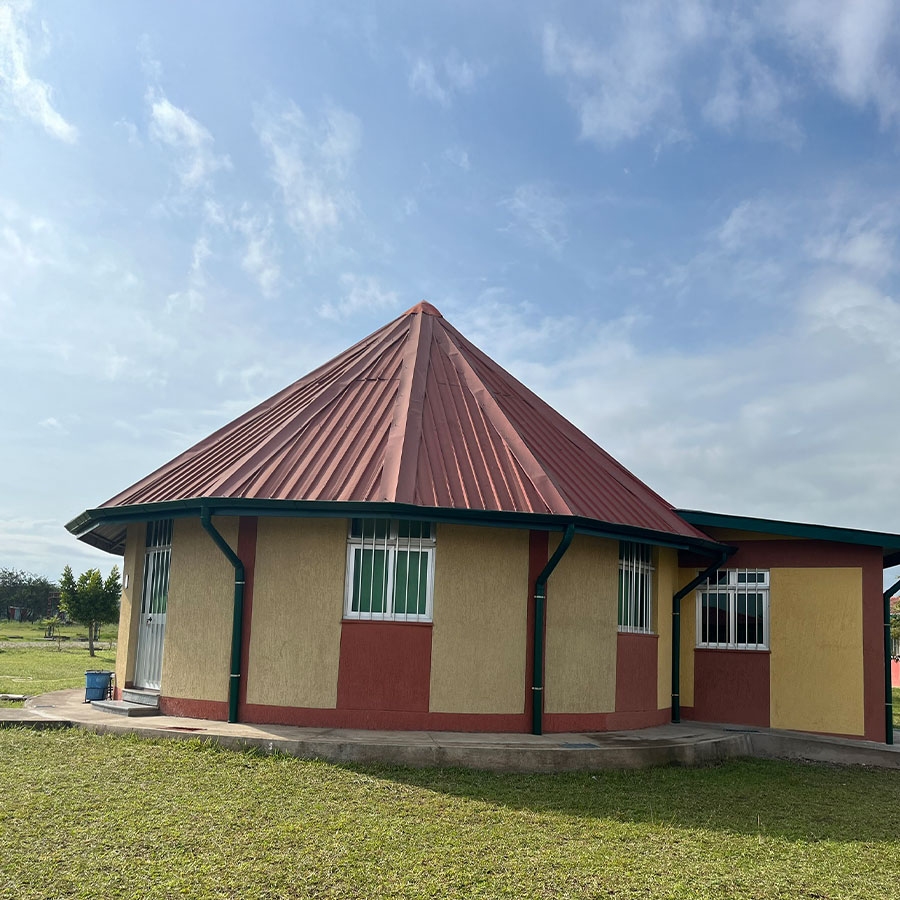
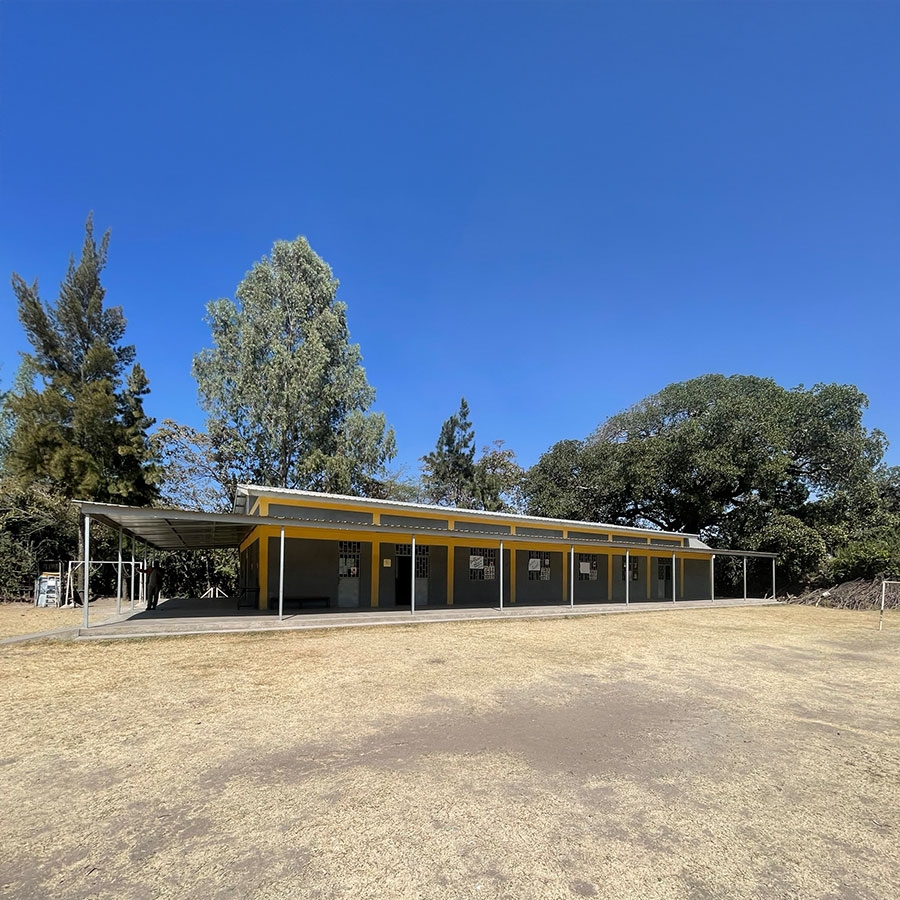
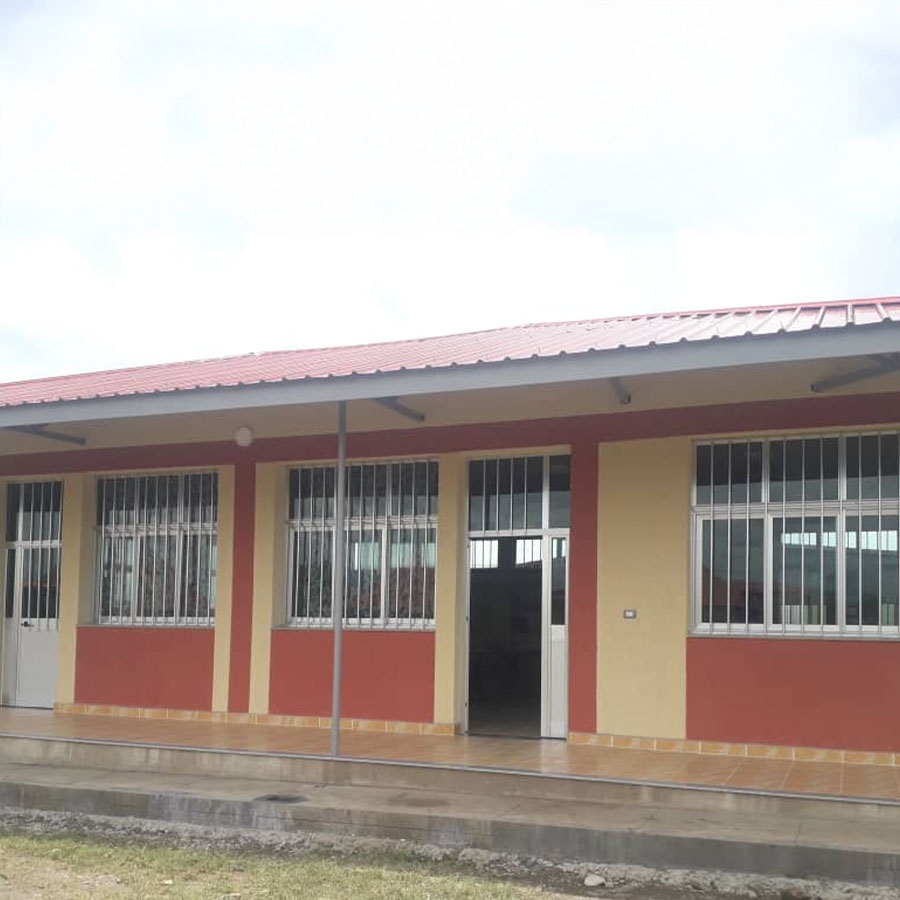
We provide help for educational training and promote, encourage and support teaching and vocational training for young people of both sexes in African countries, particularly in Ethiopia, South Sudan, Gabon, Congo, Ghana, Tanzania, Togo and Madagascar. We finance existing and new school facilities, we promote the vocational training of those specific professions necessary and useful in the African continent.

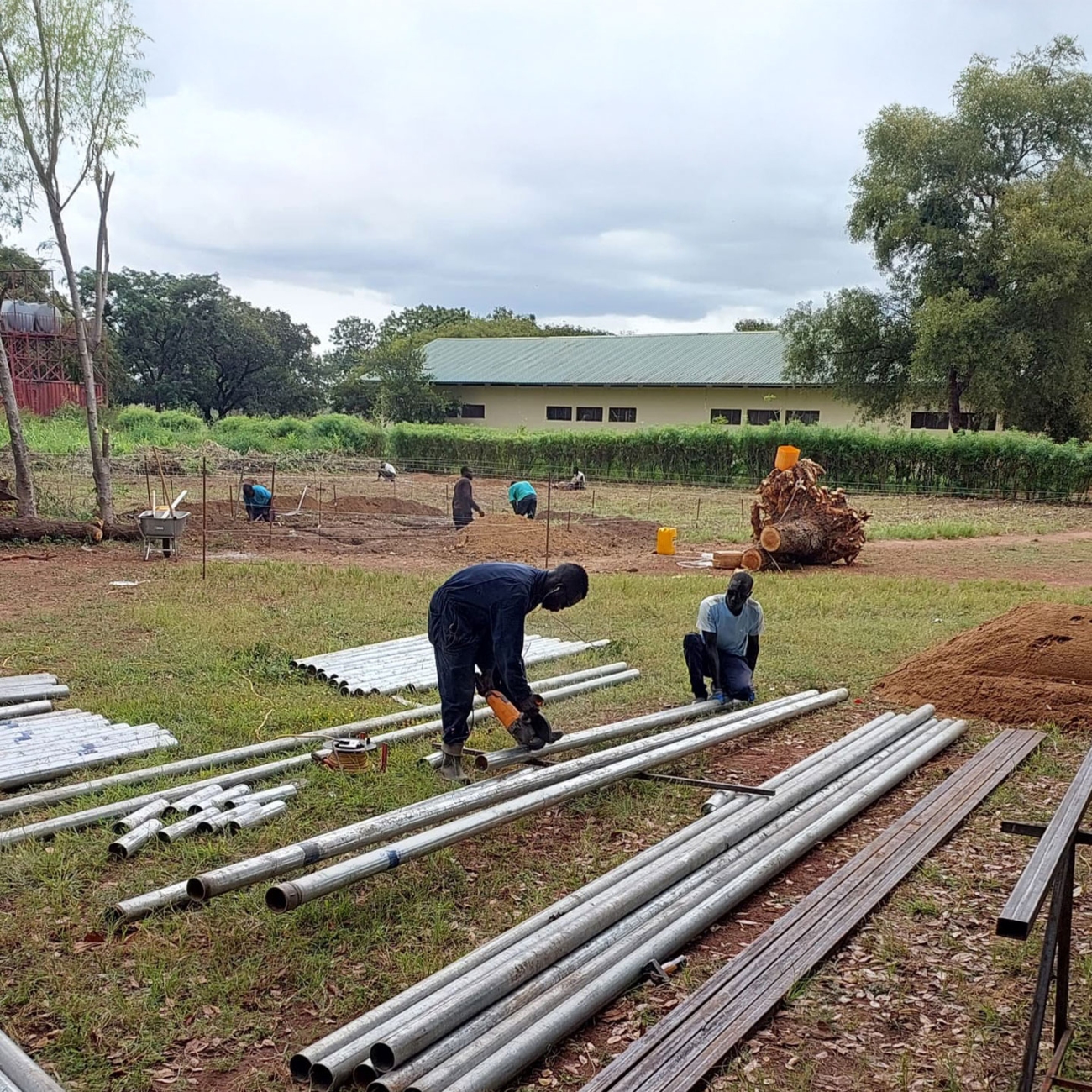
Developing essential networks and services to connect communities
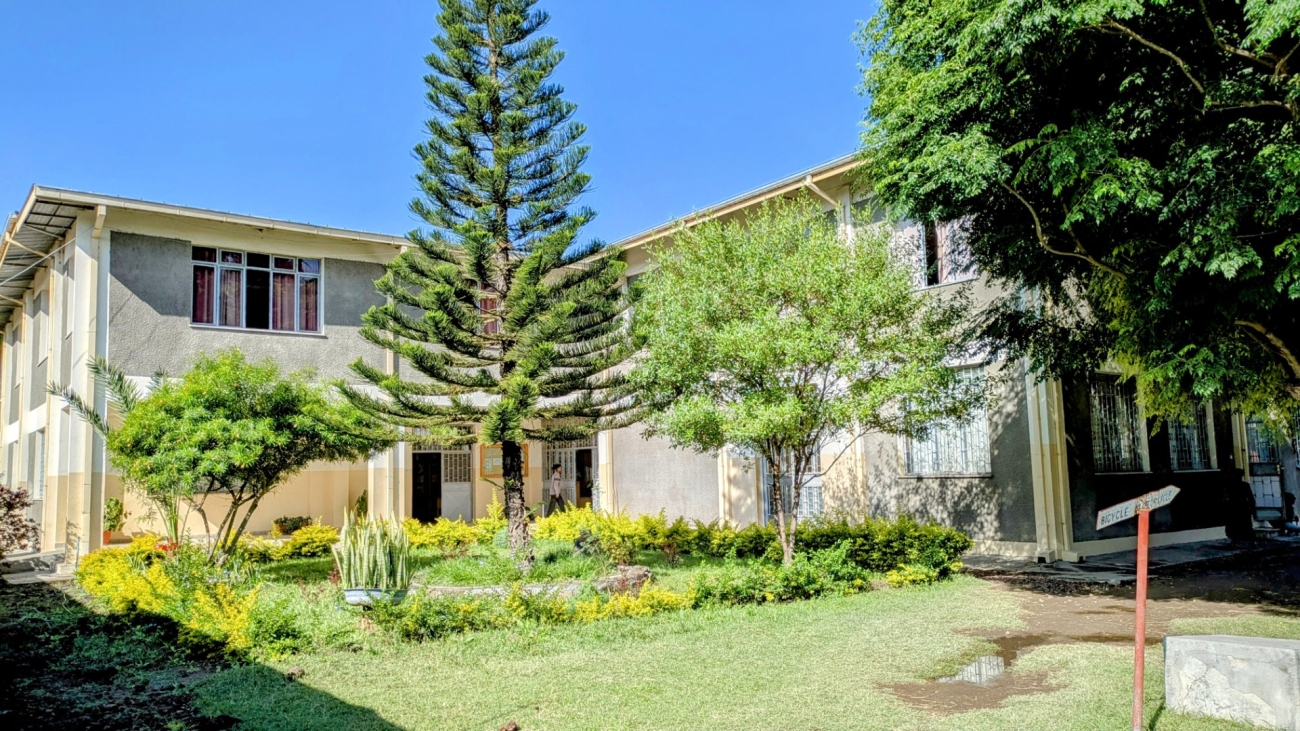
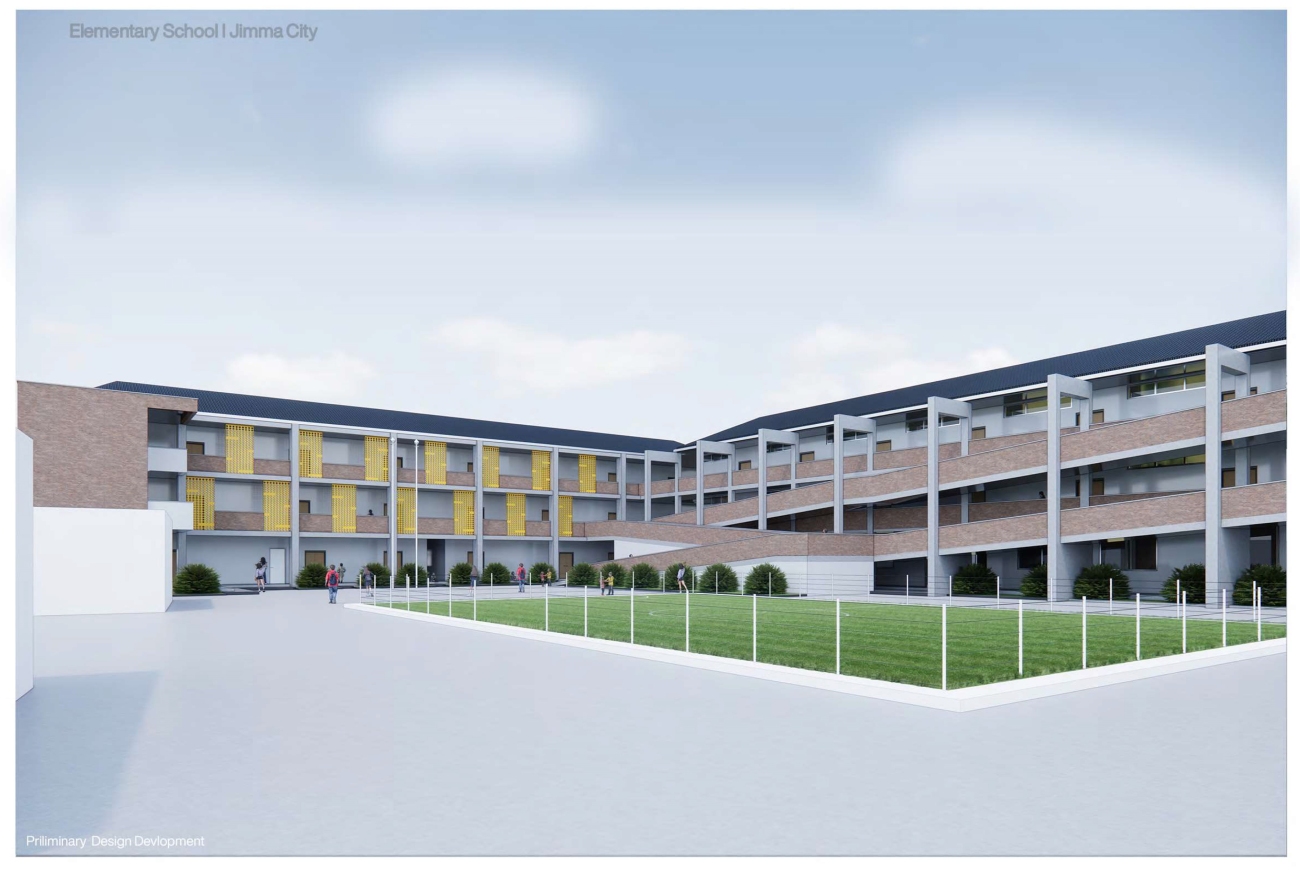
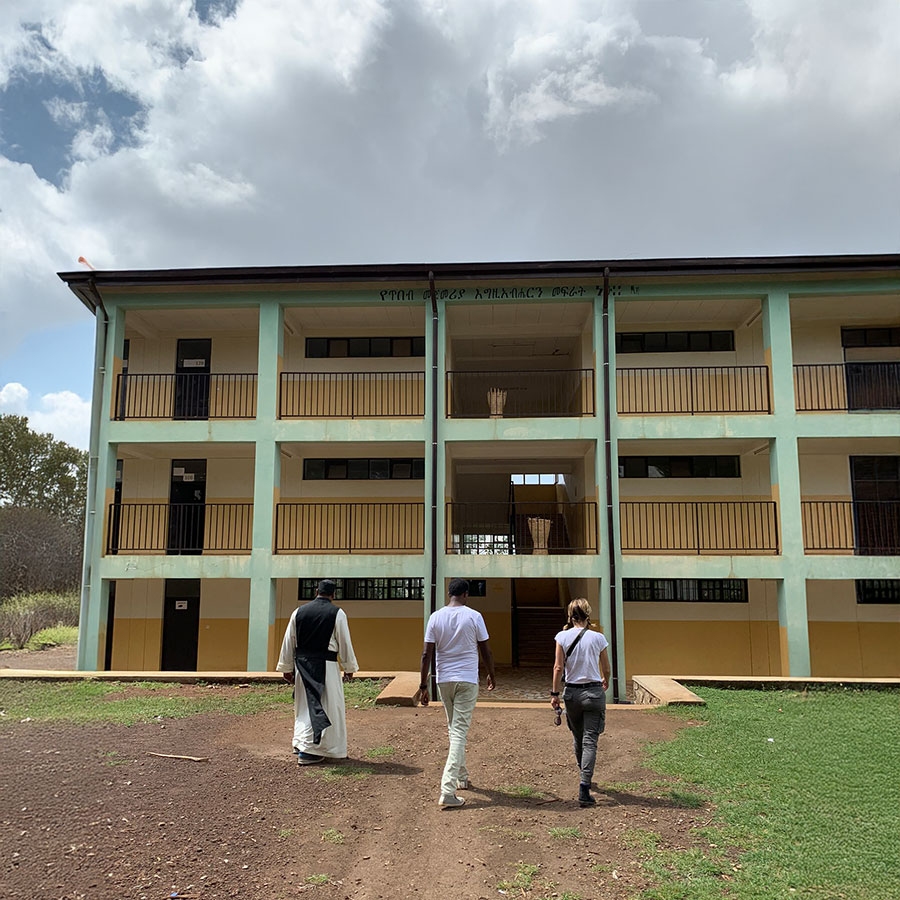
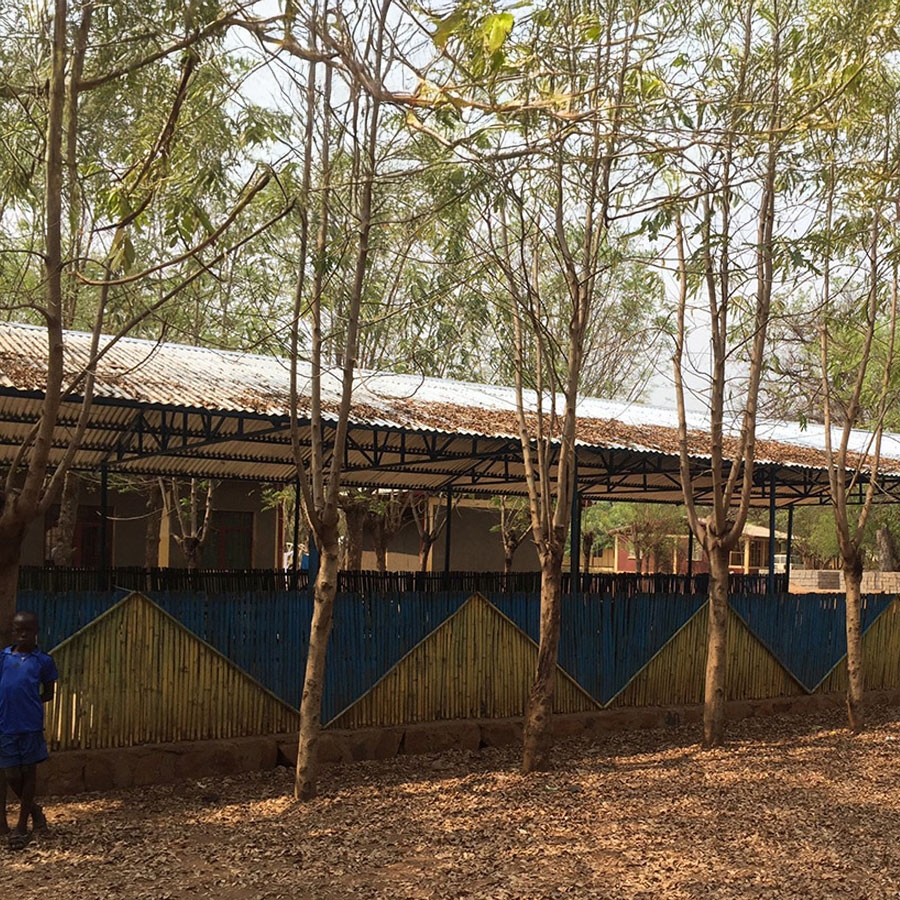
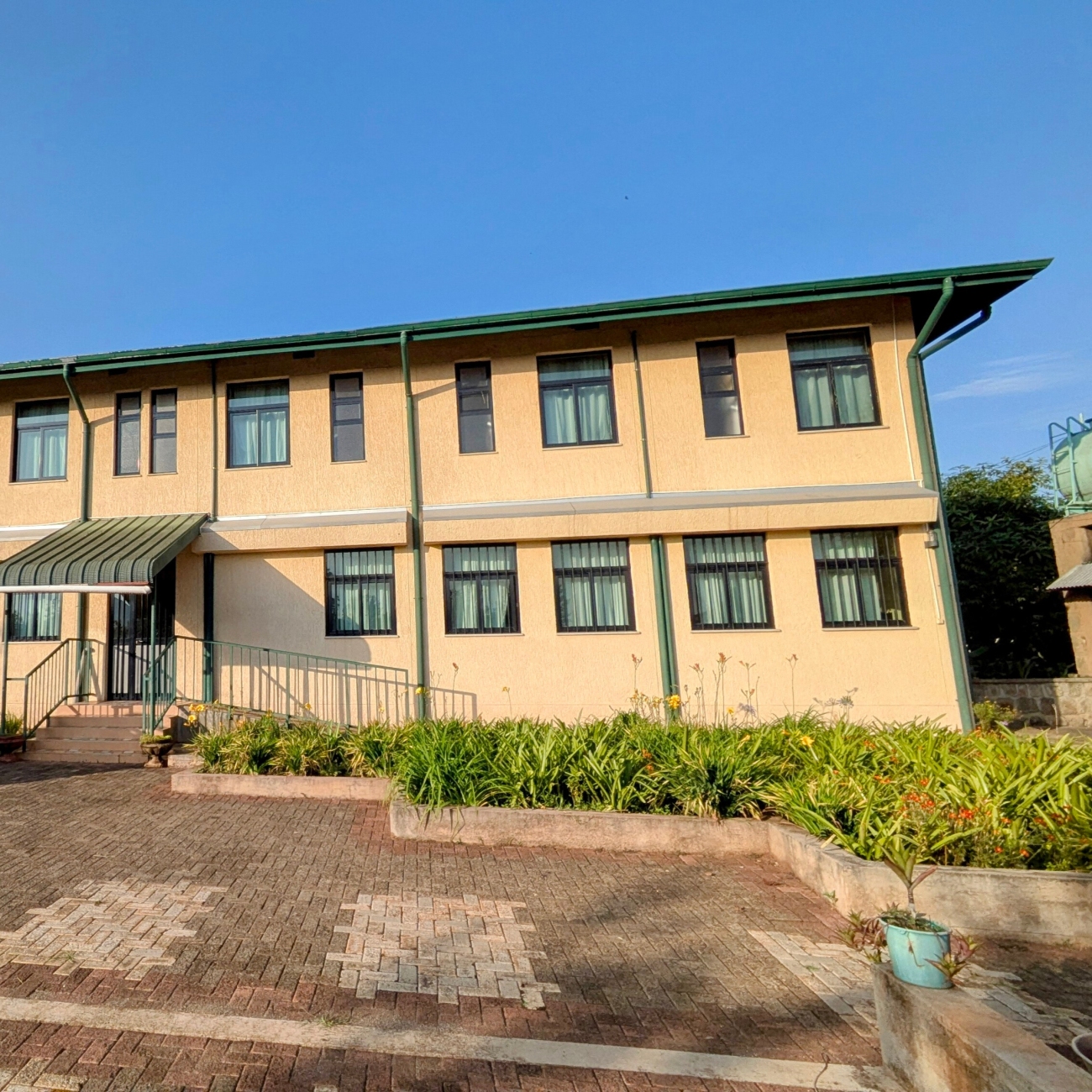
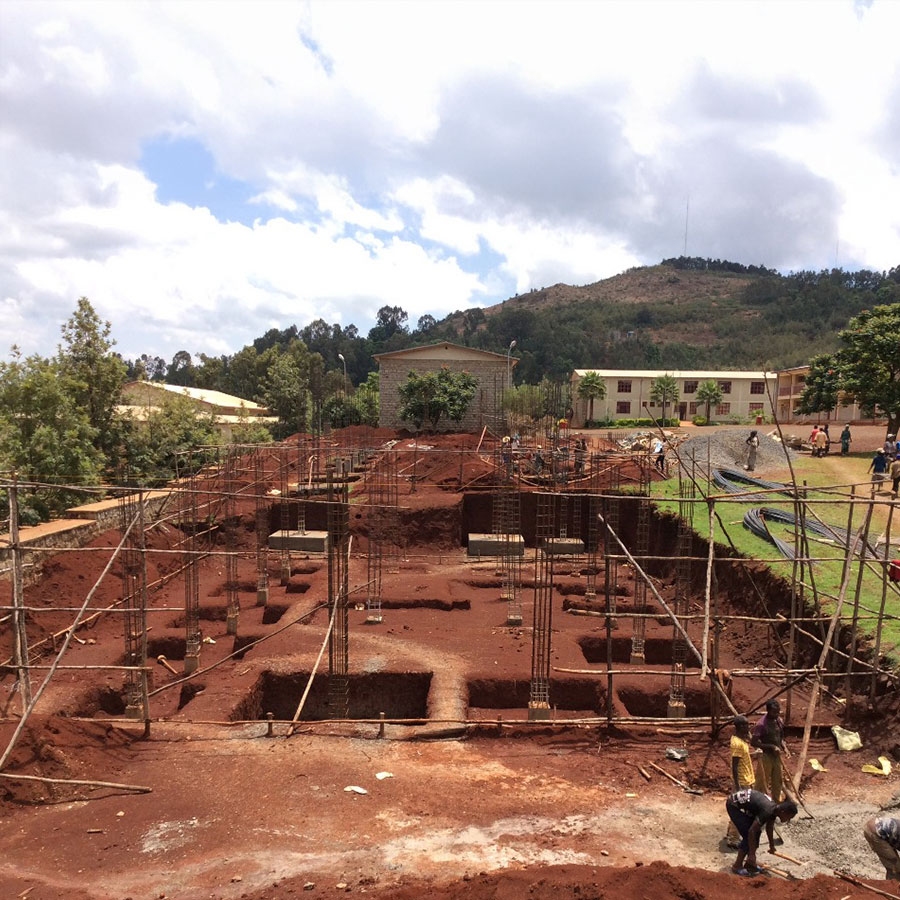
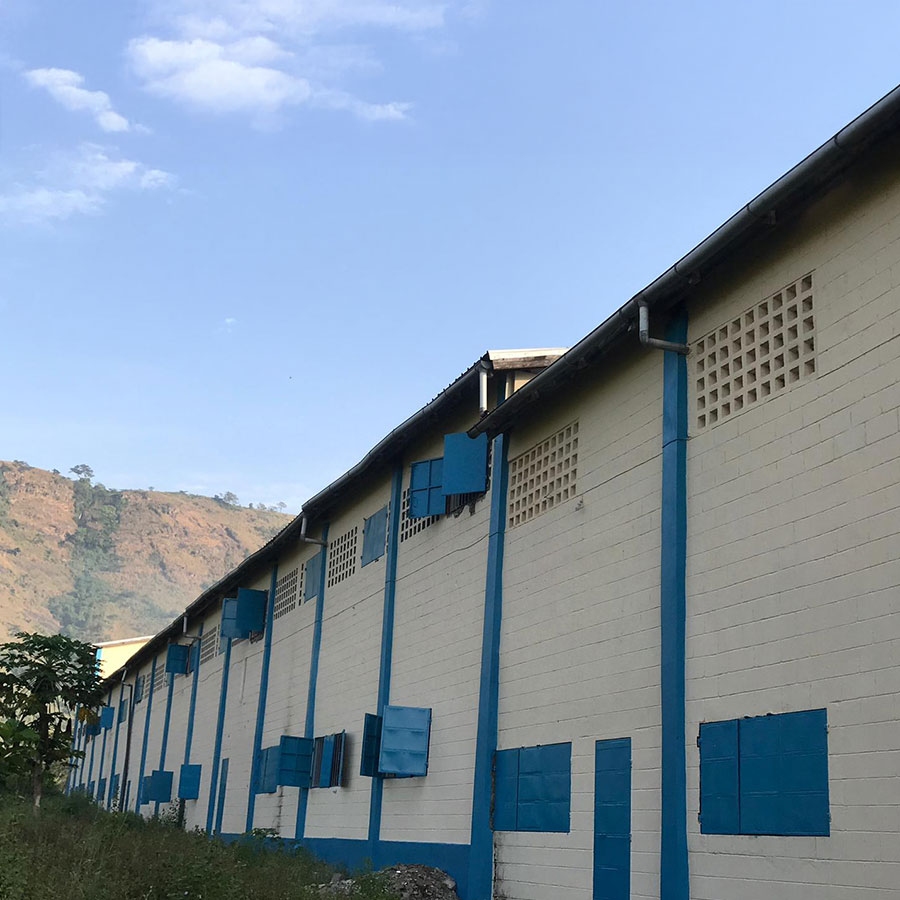
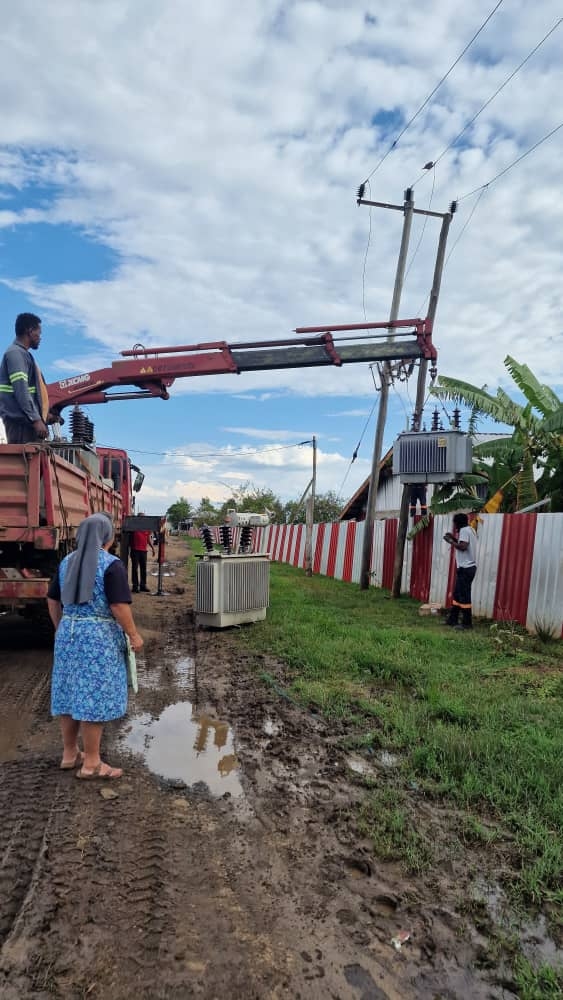
Infrastructure development is crucial for improving quality of life and supporting economic growth. Roads, electrical networks, access to clean water, and health and education facilities help reduce the isolation of rural communities, facilitate trade, and ensure essential services for the population. Investing in infrastructure means laying the foundation for sustainable and inclusive development.

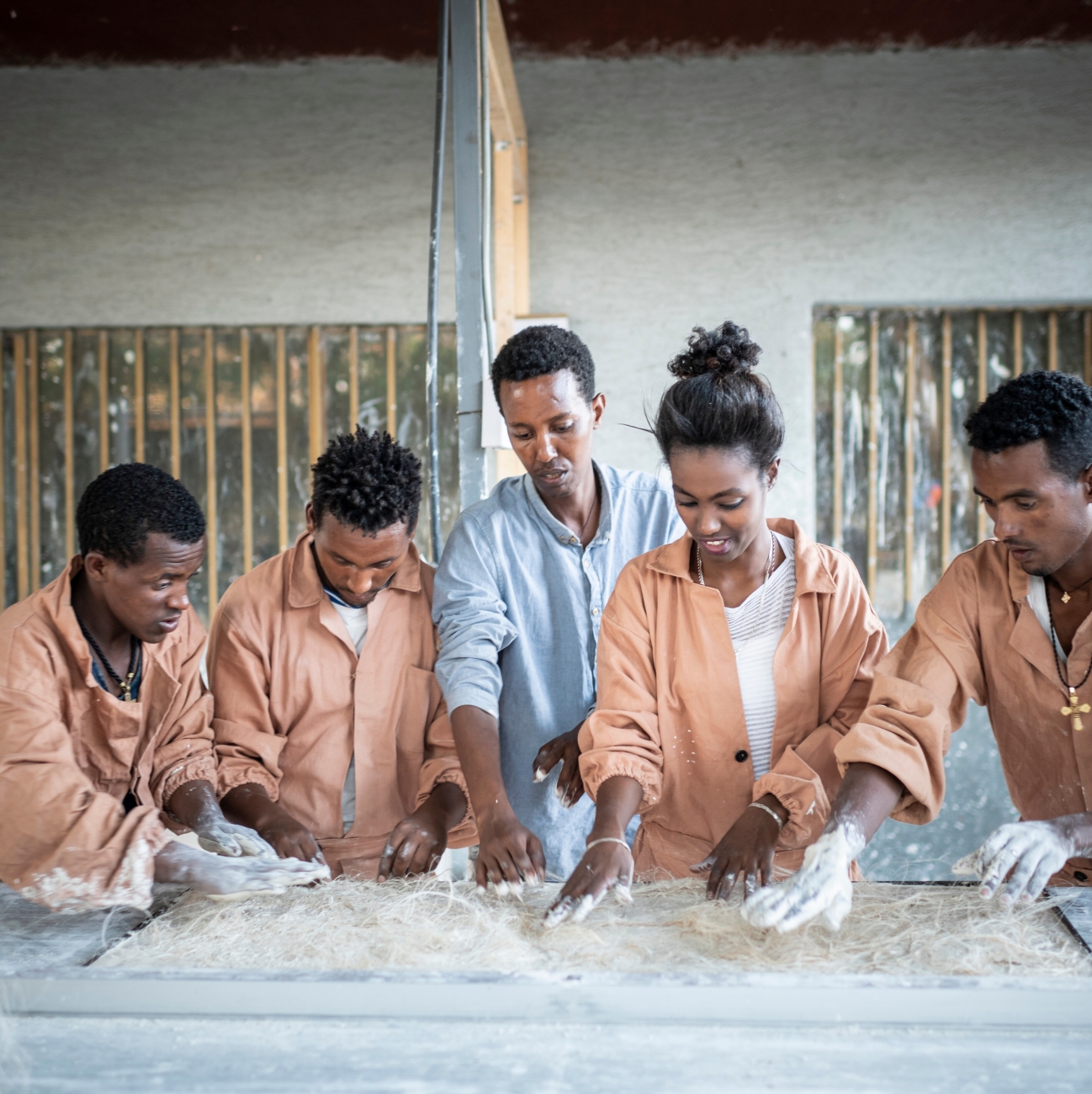
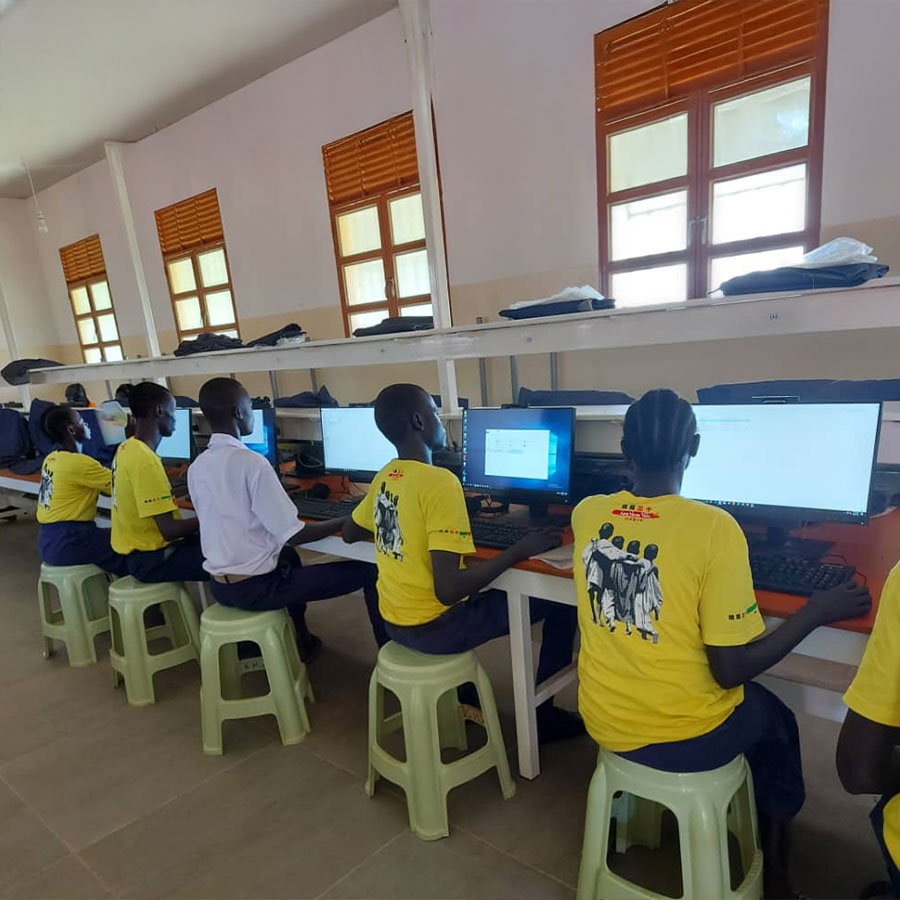
Practical skills to build employment and autonomy.
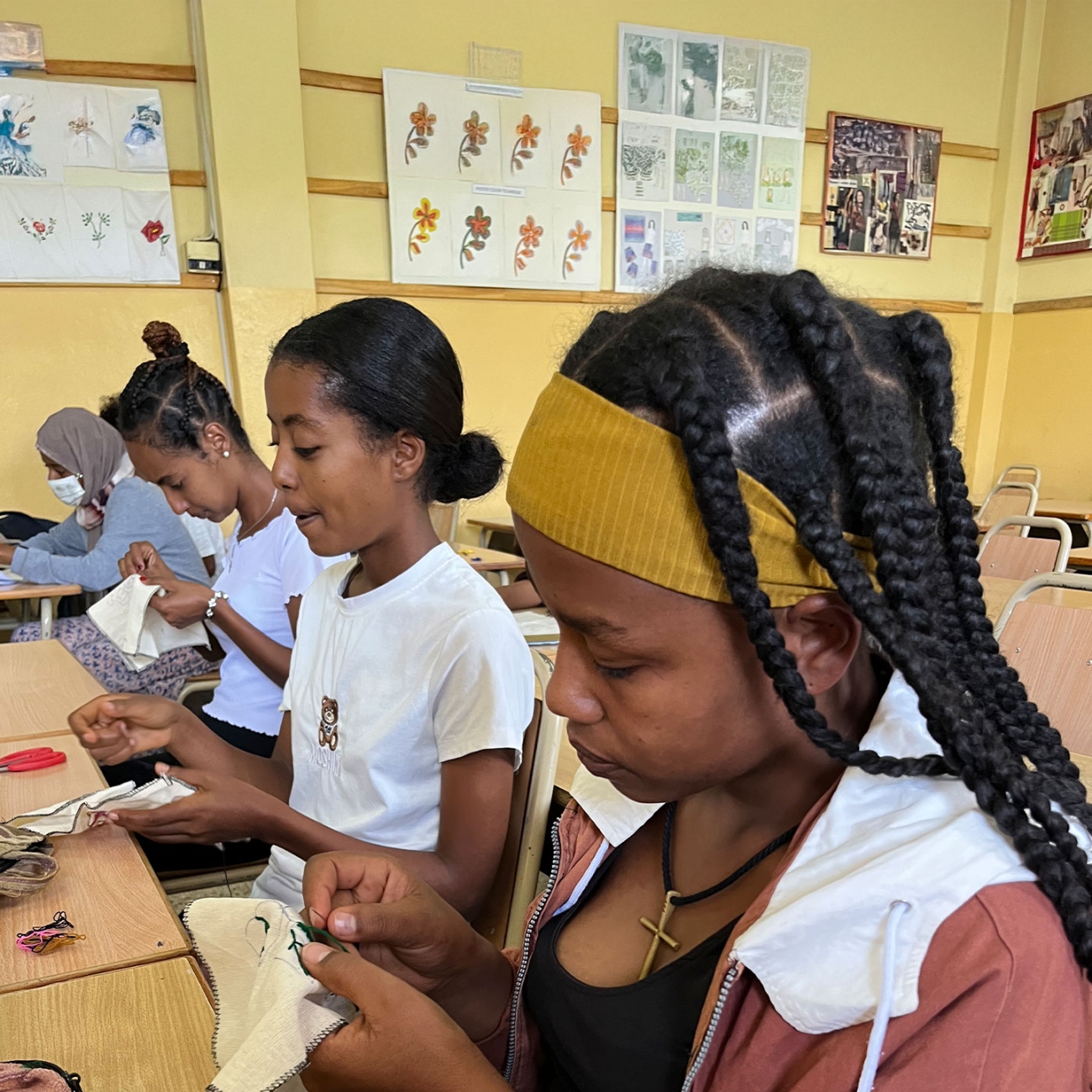
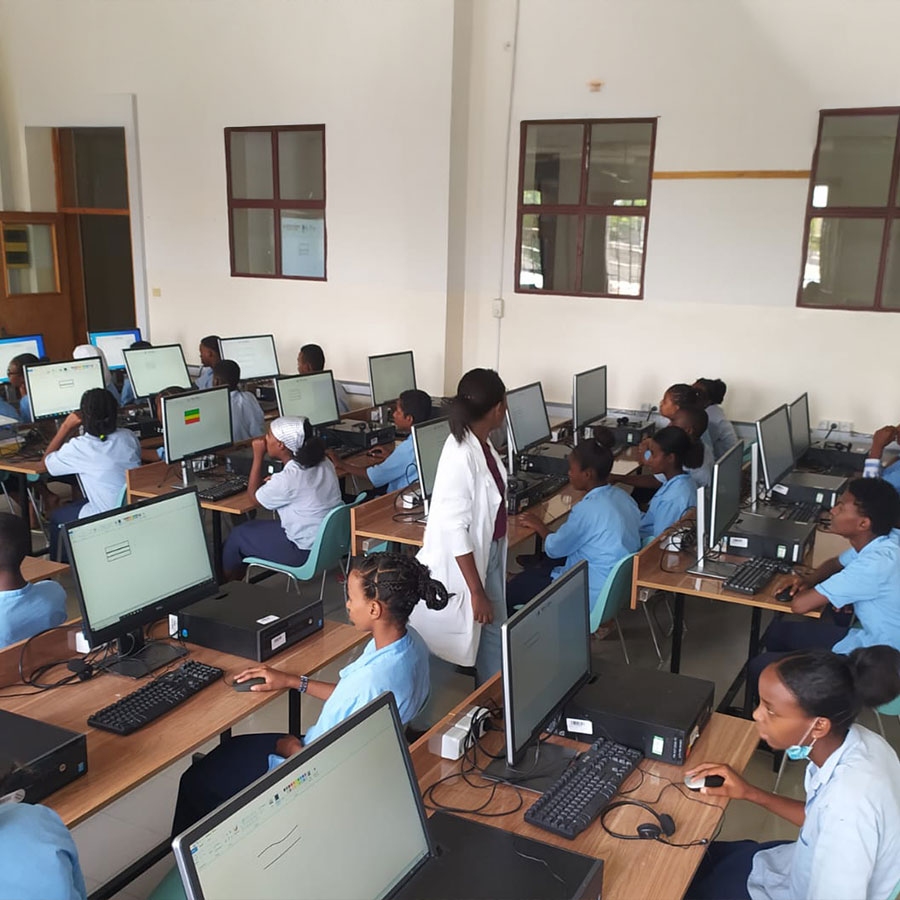
Vocational training enables young people and adults to acquire practical, job-ready skills, increasing employment opportunities and reducing unemployment. Technical and vocational programs strengthen economic independence and support the development of small local businesses, contributing to the growth of the local productive fabric.

Giving voice and opportunities to strengthen entire communities.
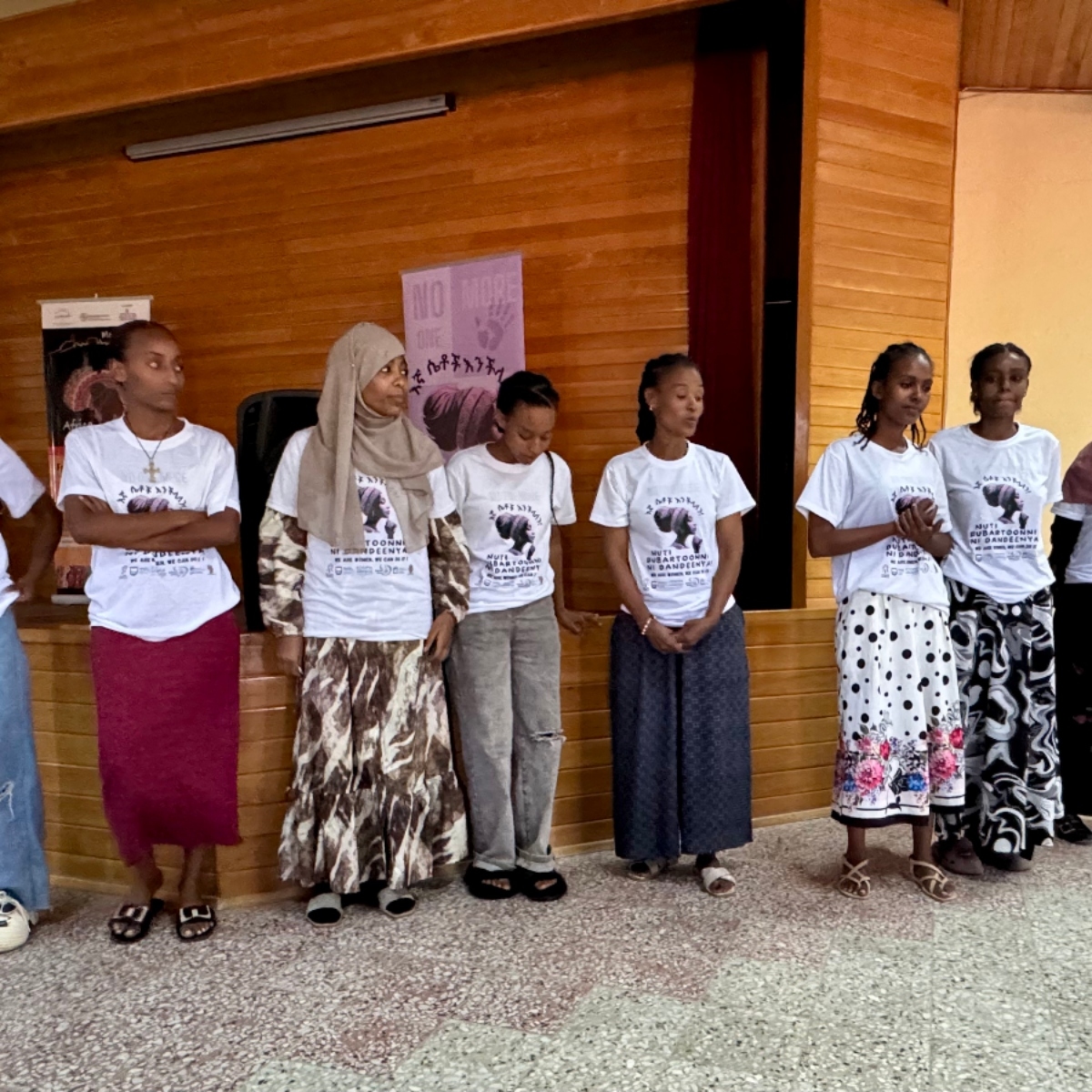
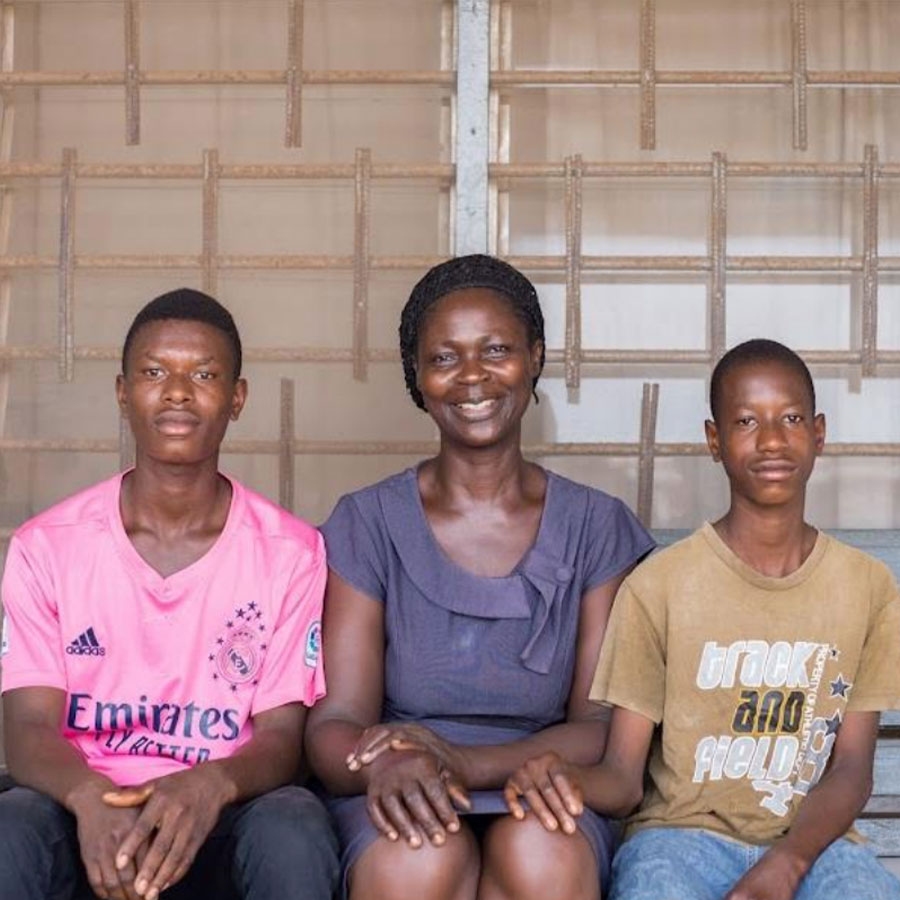
Promoting women’s empowerment means ensuring equal rights and opportunities for women in education, economic, and social spheres. Access to education, credit, and qualified employment allows women to actively participate in community development, reducing poverty and creating a positive impact on future generations.

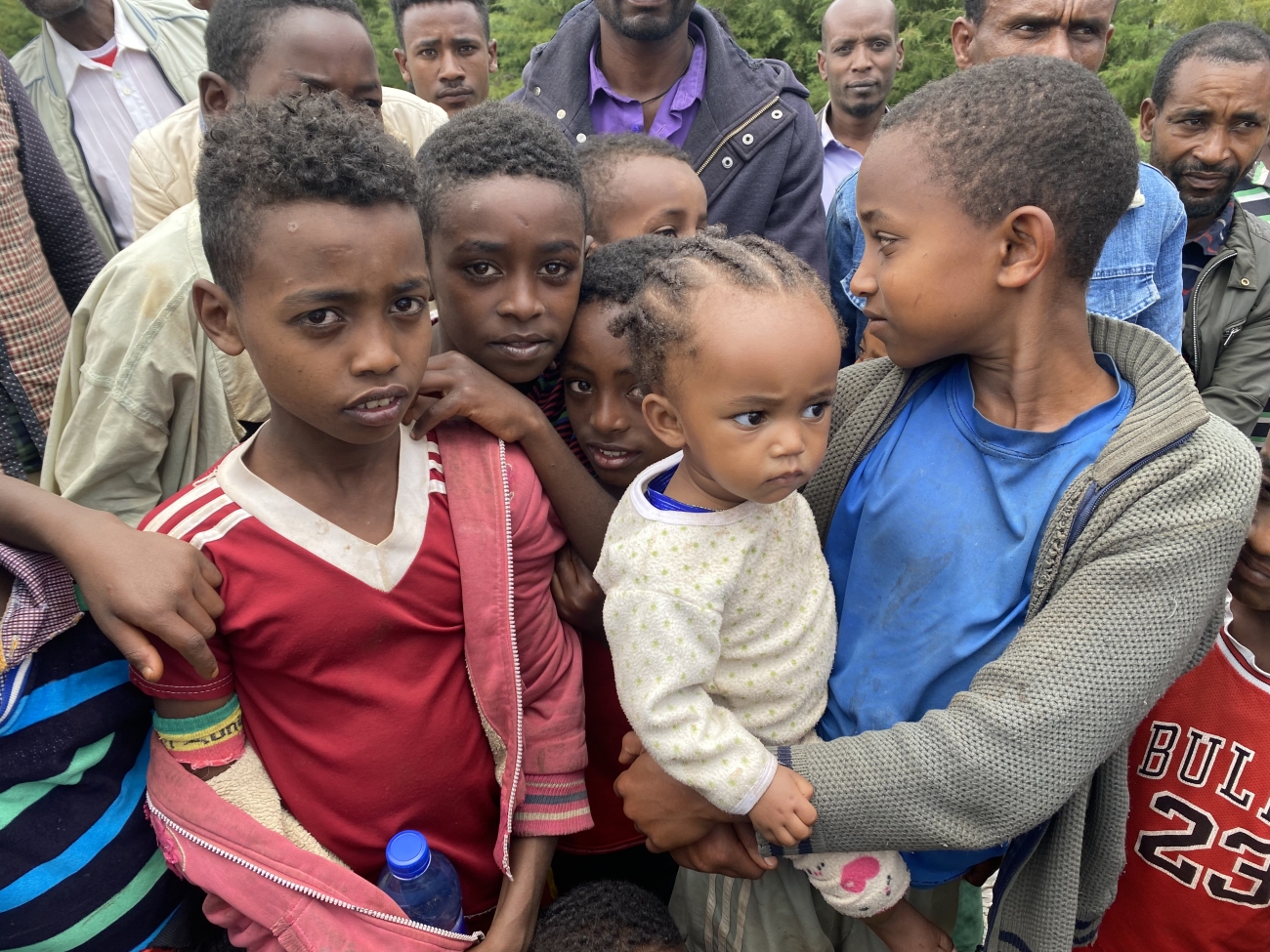
Overcoming hardship through targeted, practical support.
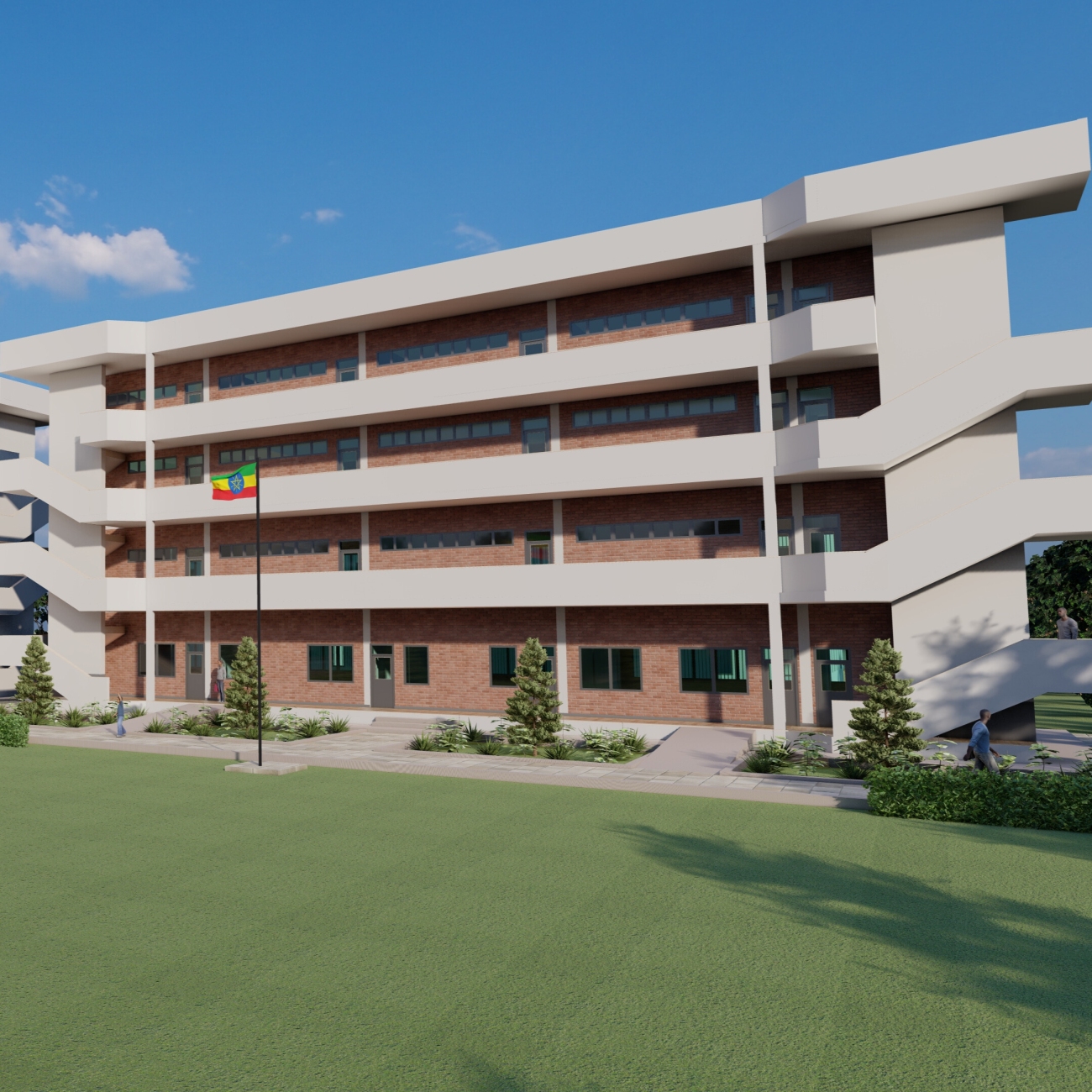
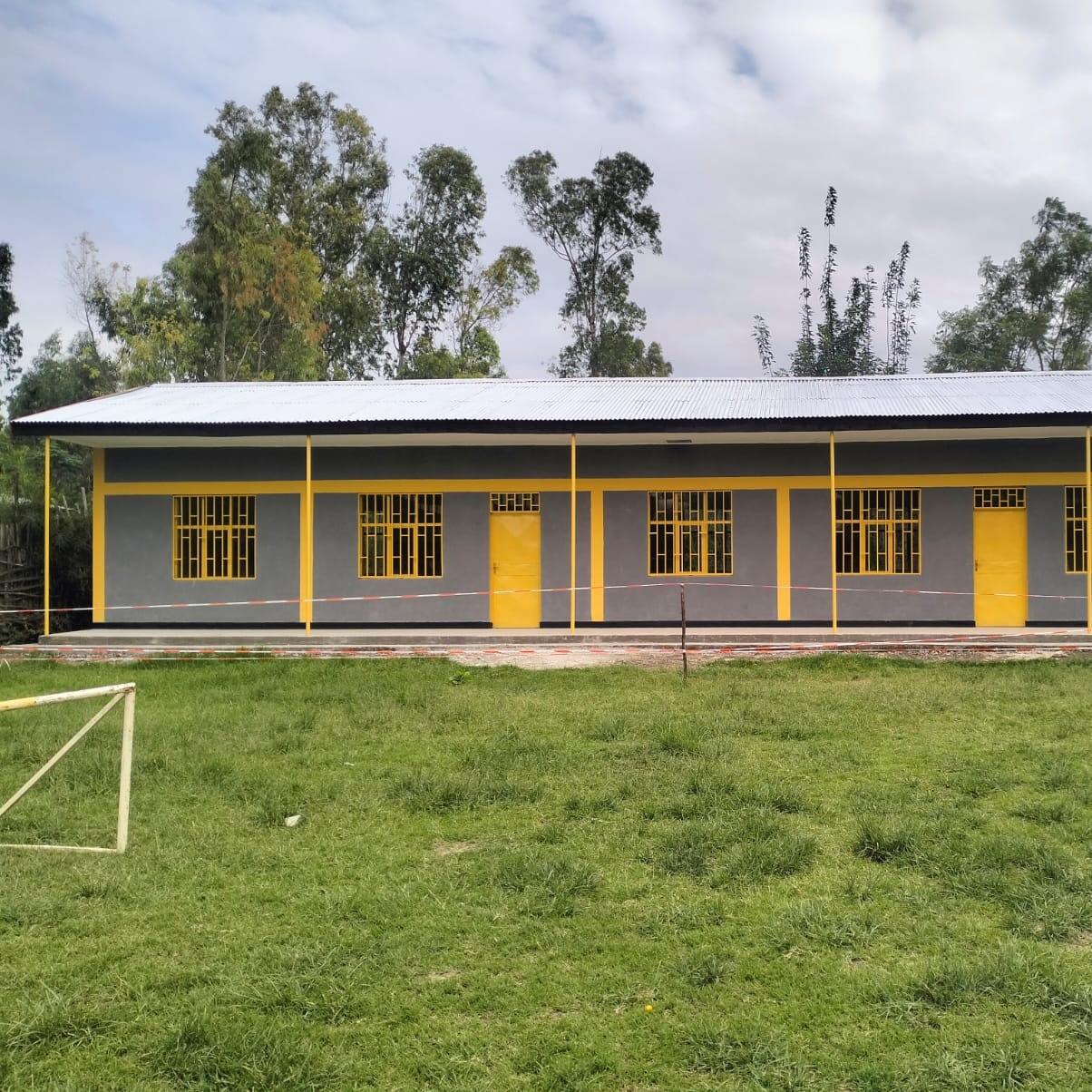
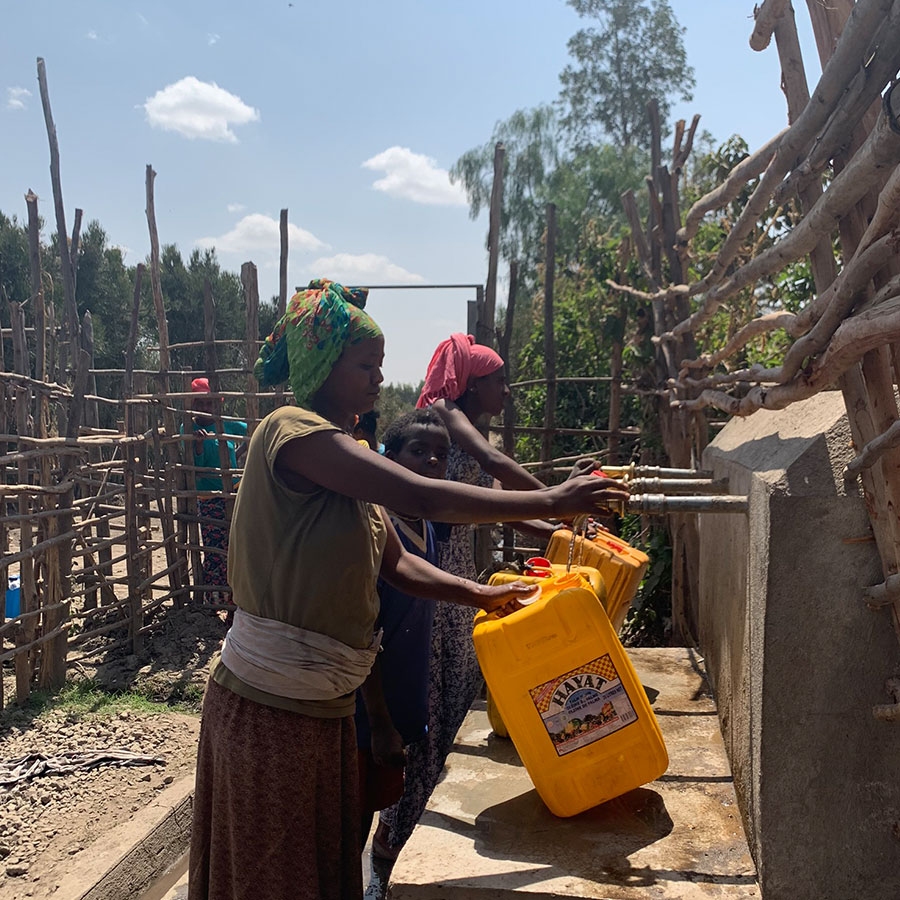
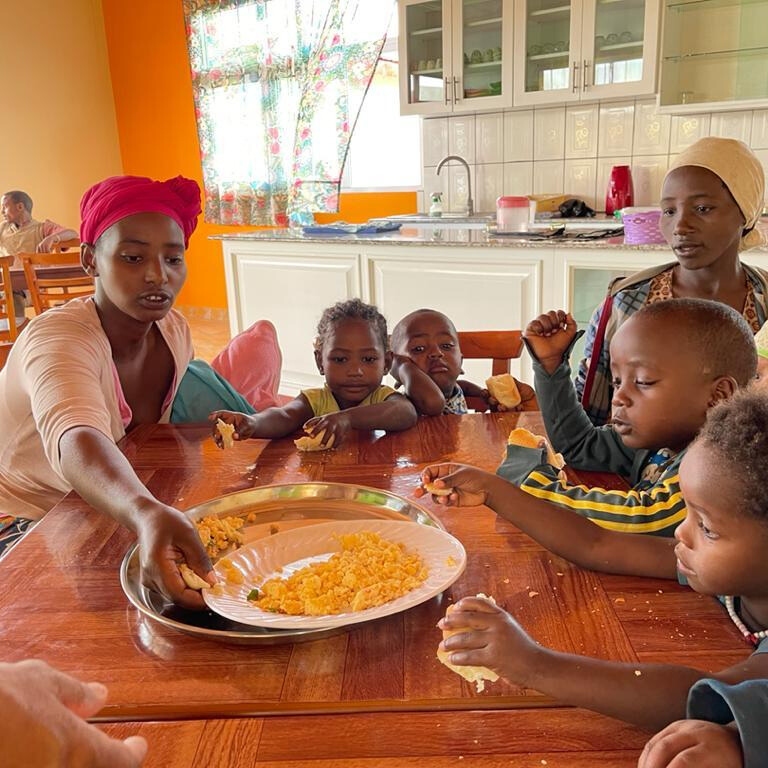
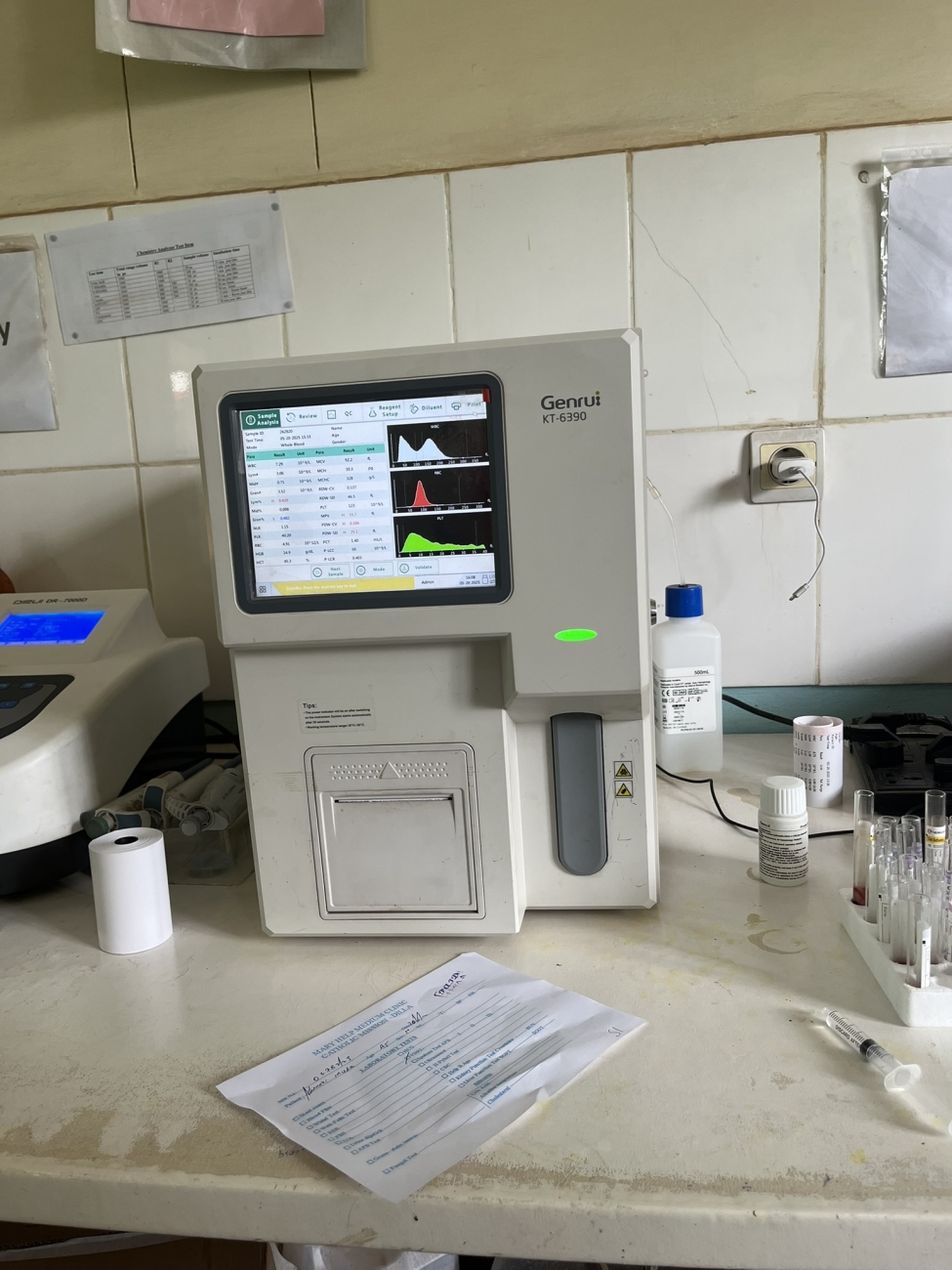
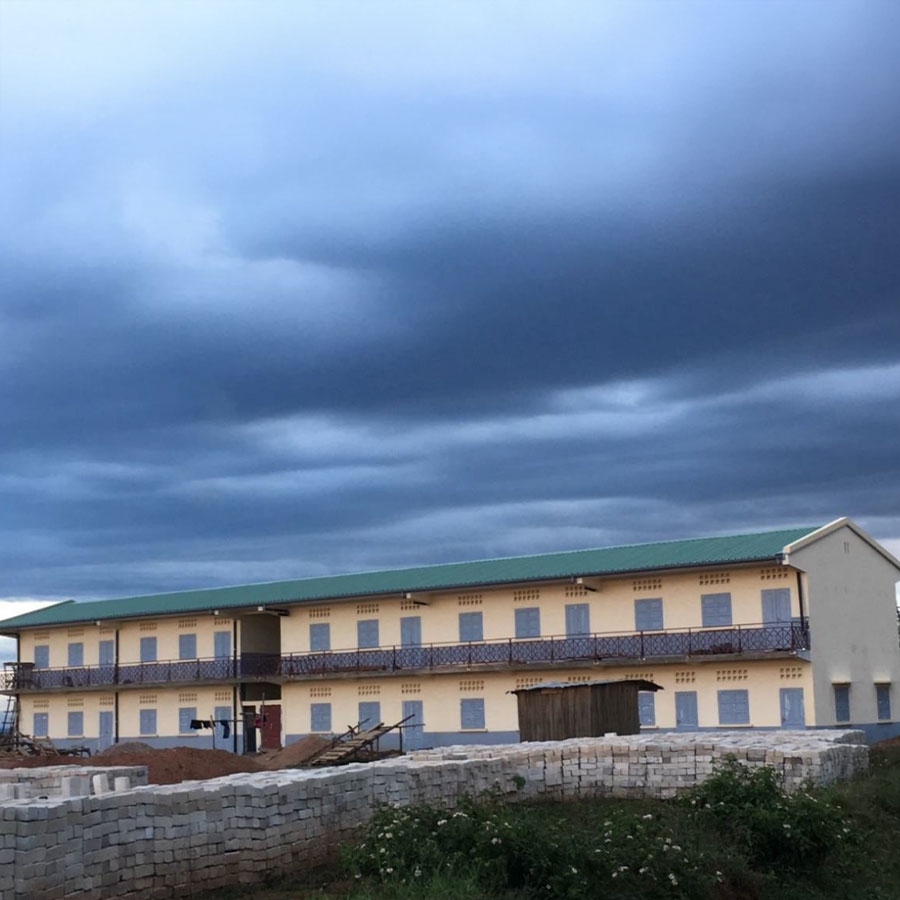
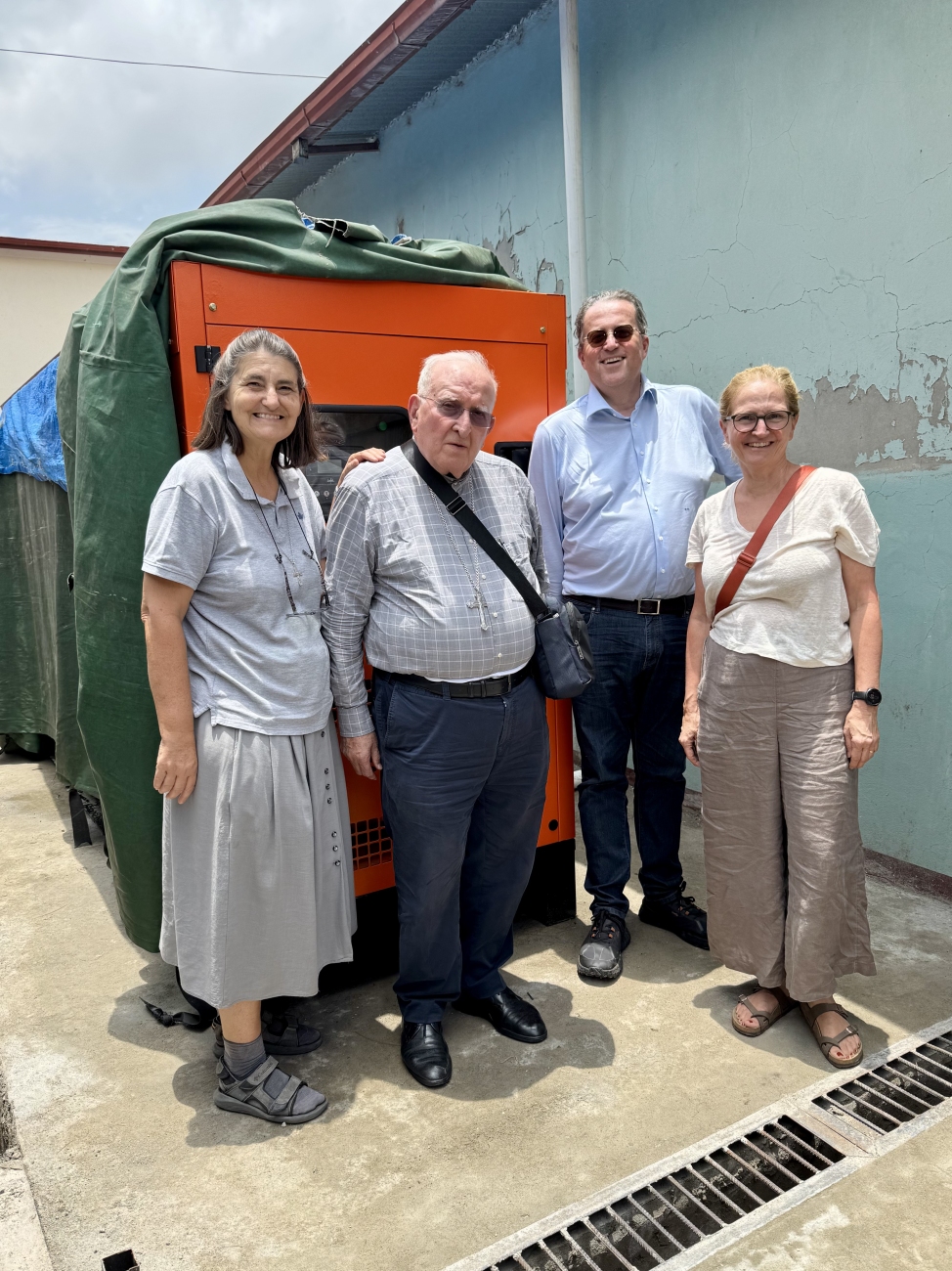
Special support initiatives include specific projects designed to address the immediate needs of local communities. These may involve the construction of wells to provide access to clean drinking water, the expansion of schools with new classrooms, the supply of medical equipment, or the development of small community infrastructures. These focused interventions have a direct and immediate impact on people’s quality of life, improving essential living conditions and creating opportunities for long-term development.

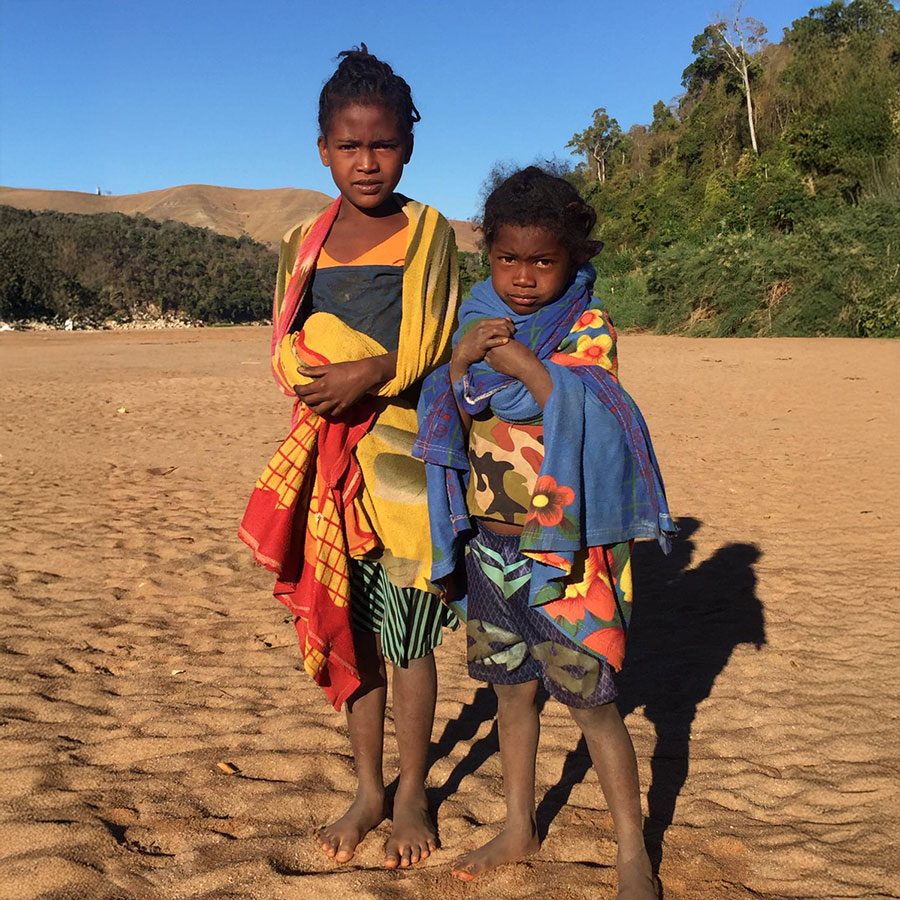
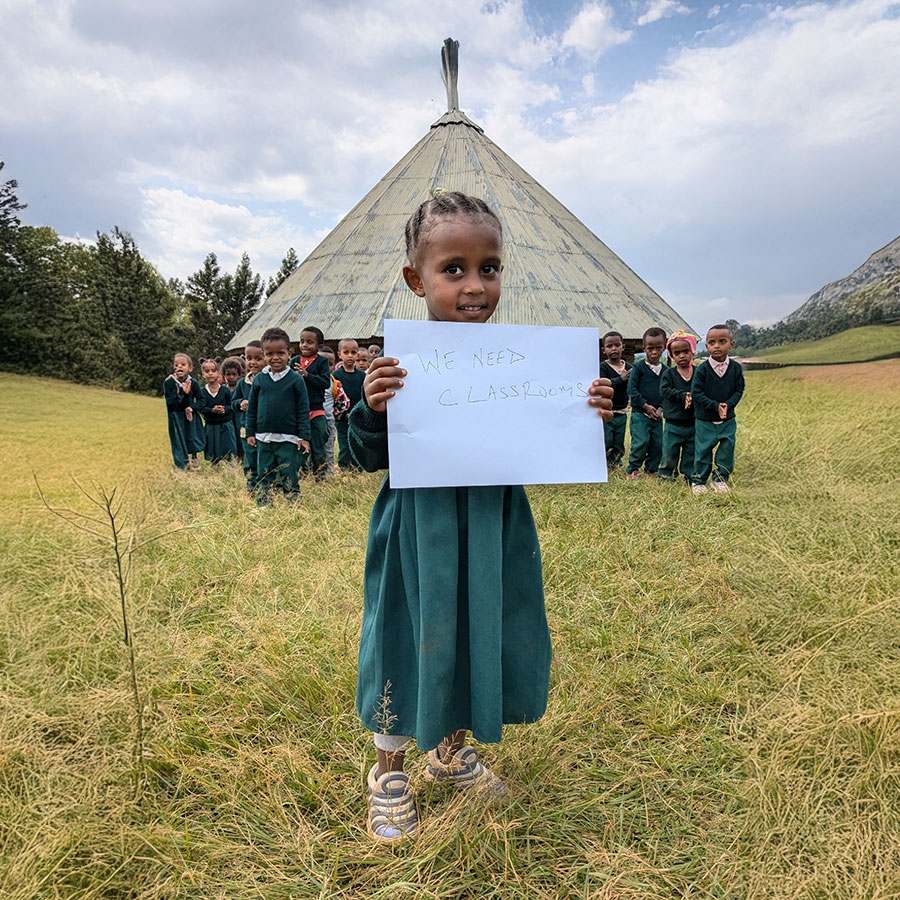
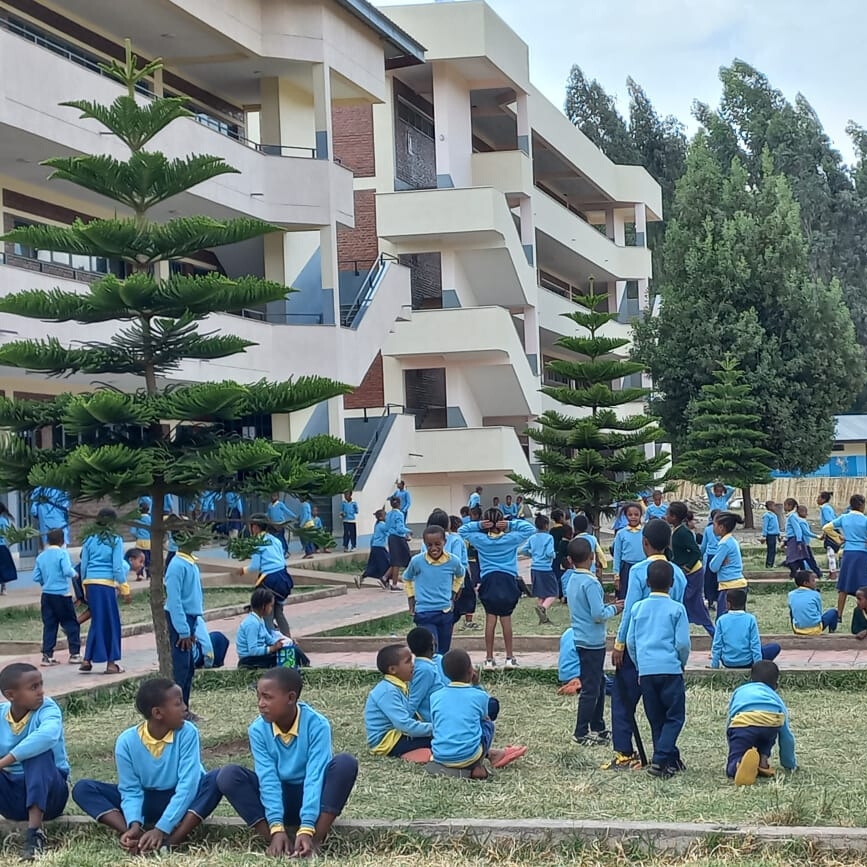
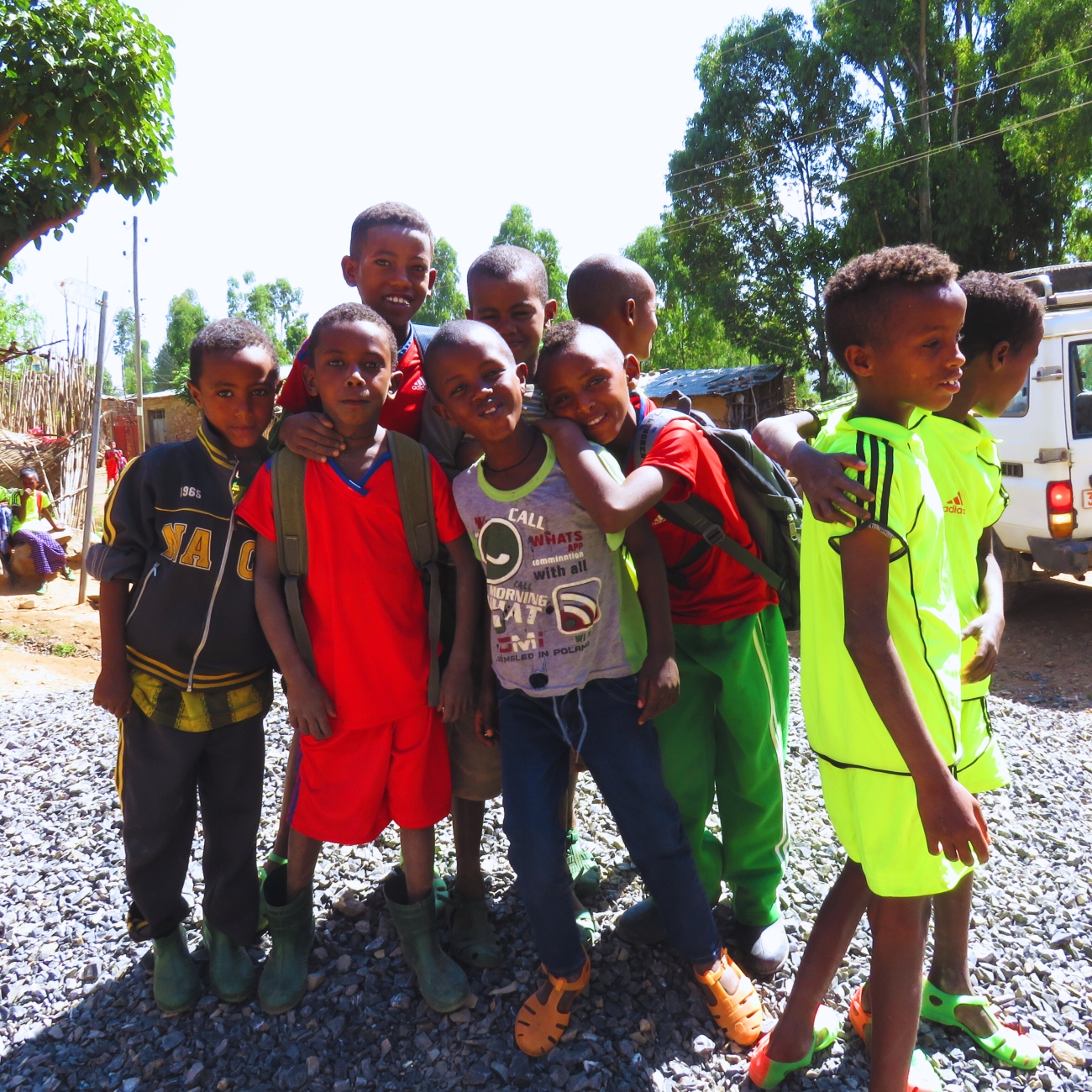
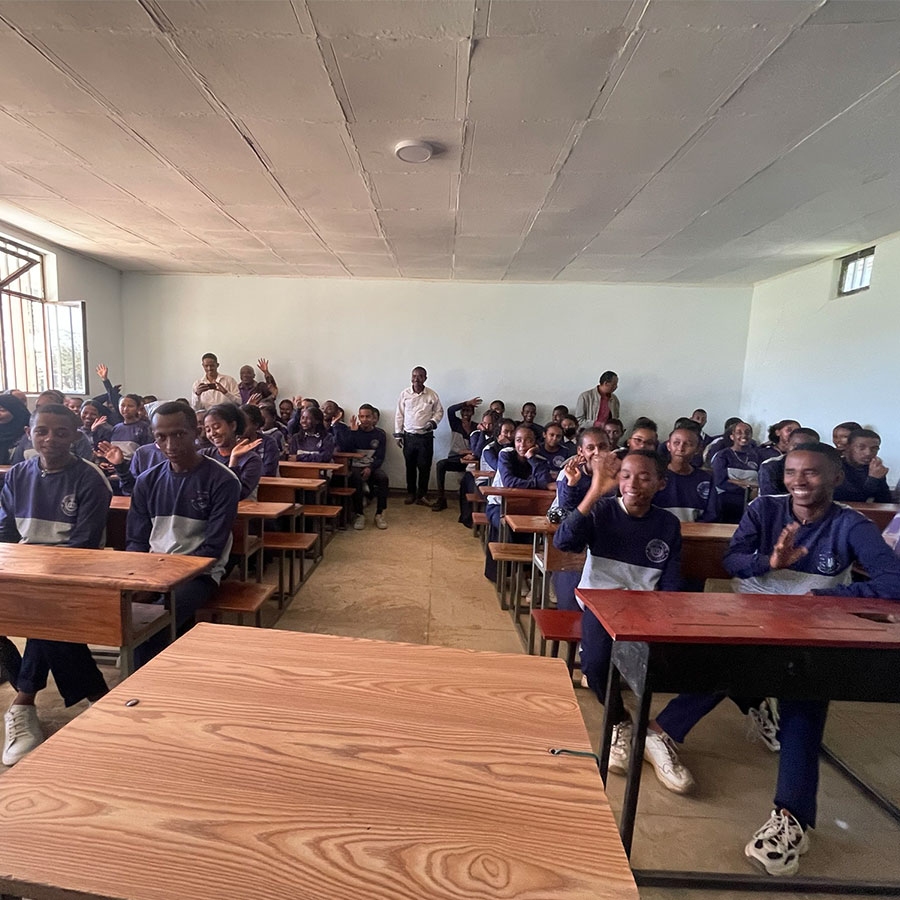
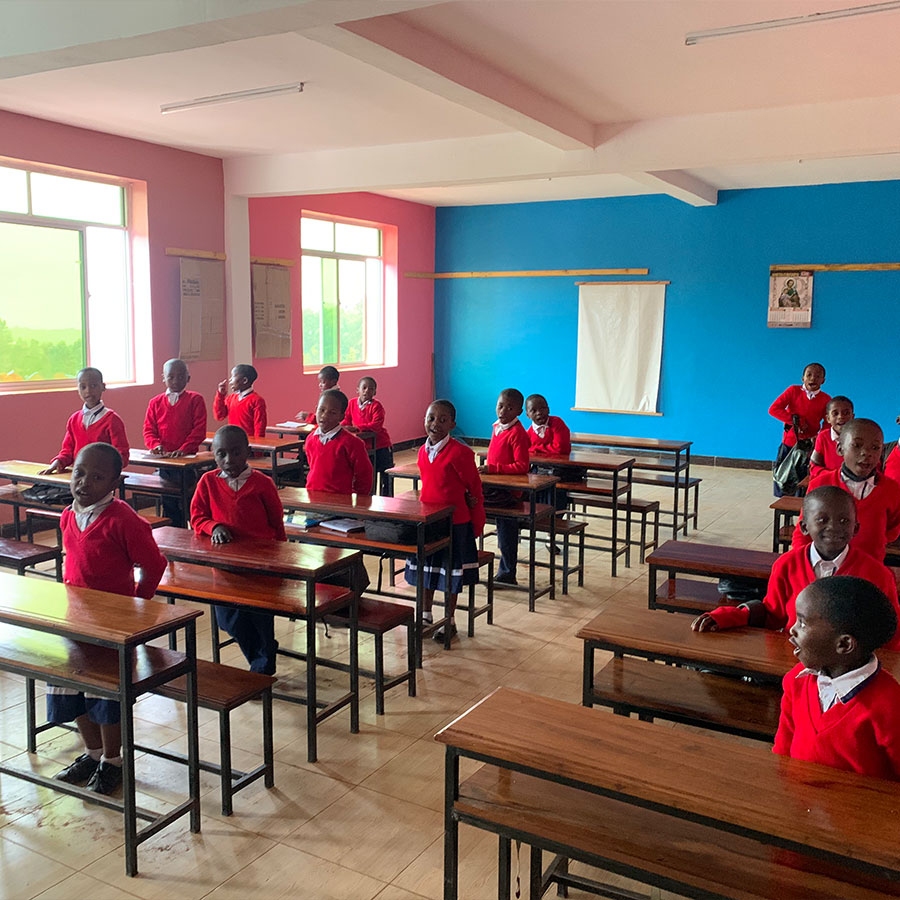
Ensuring every child’s right to learn and grow.
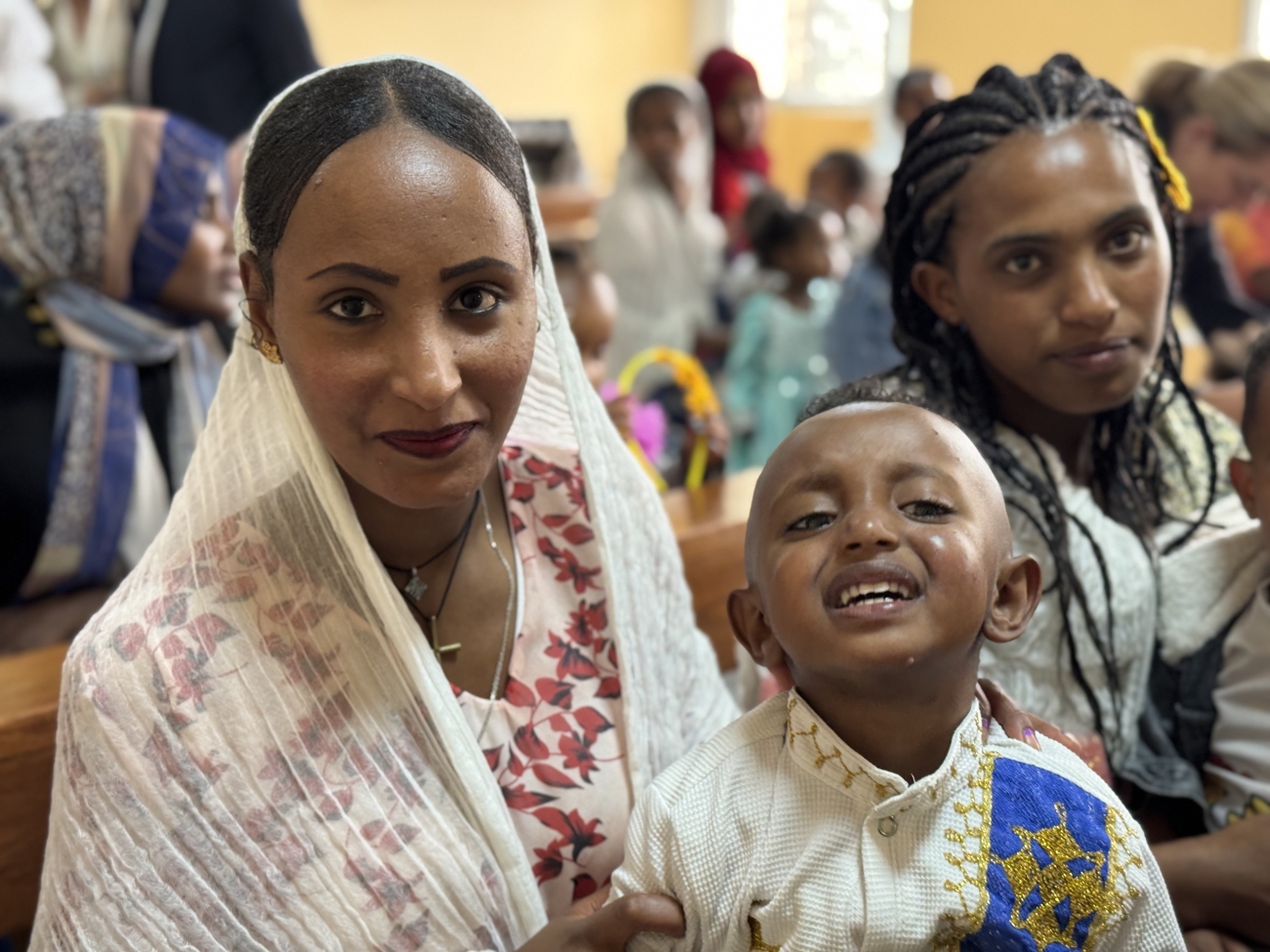
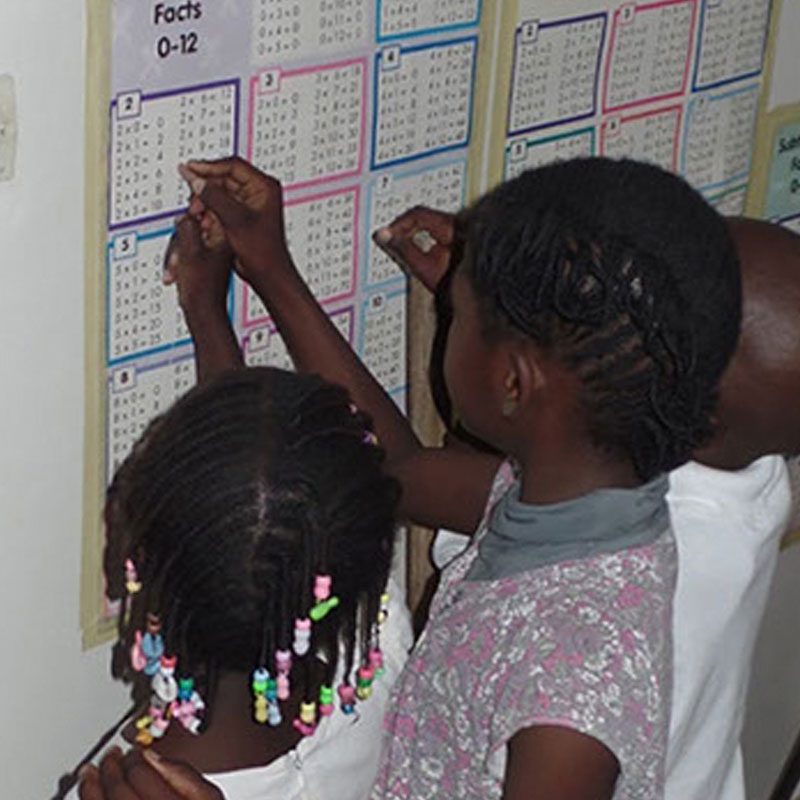
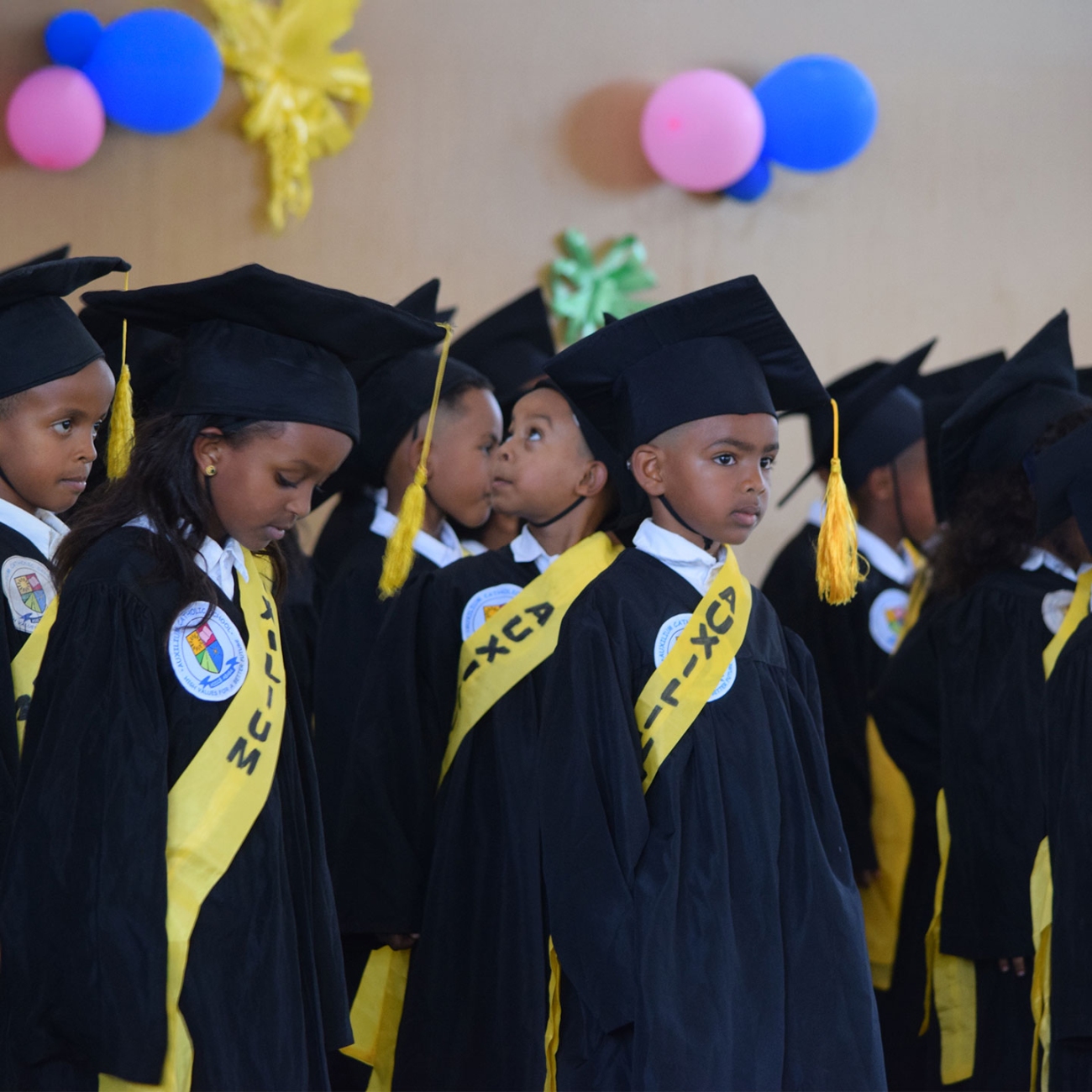
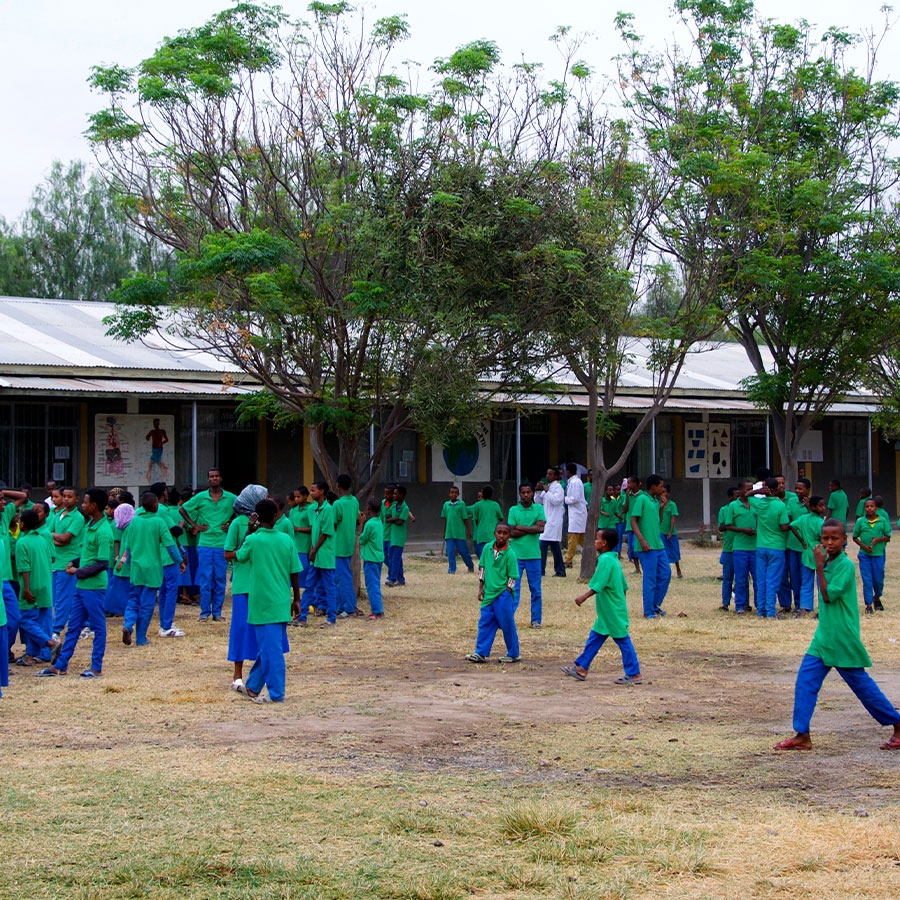
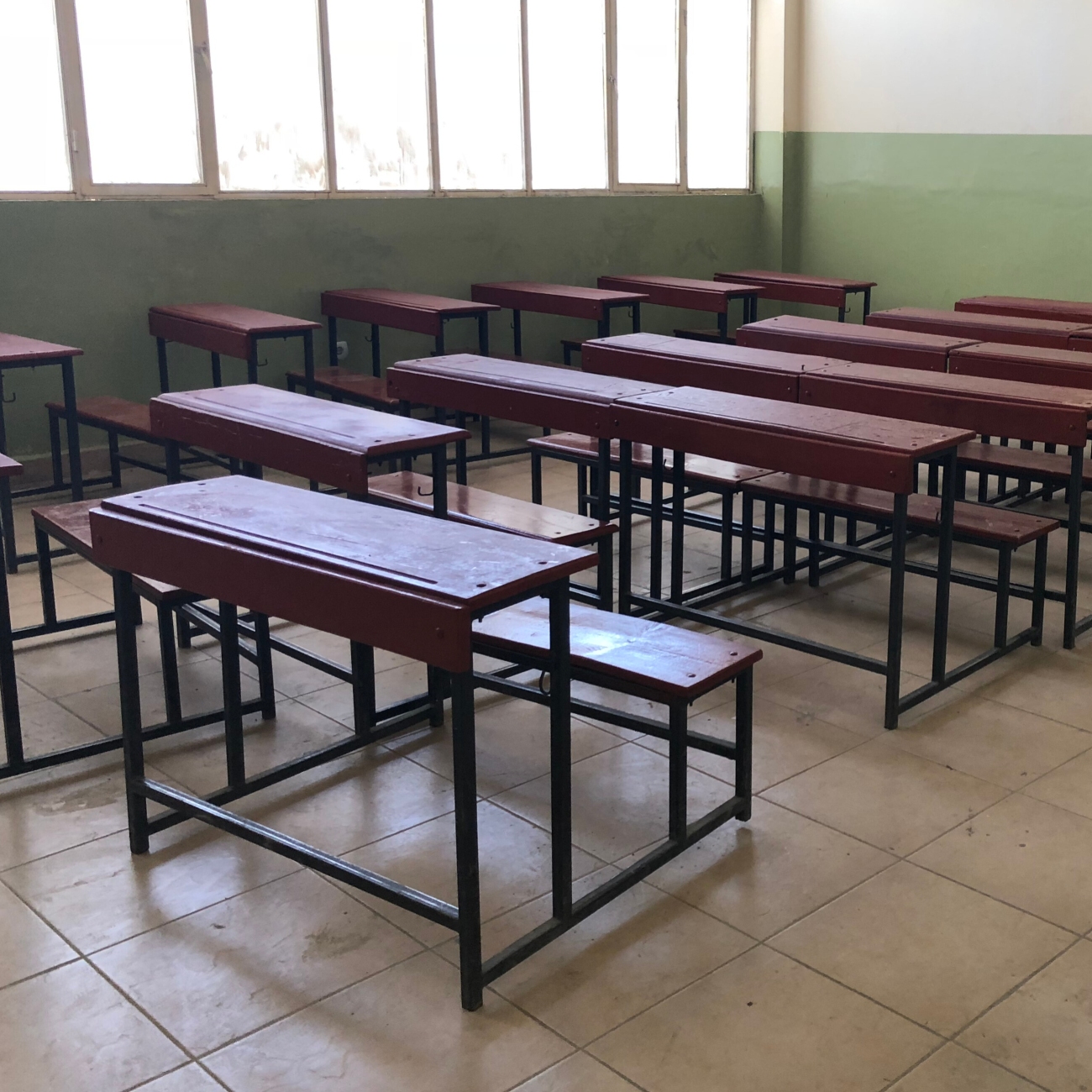
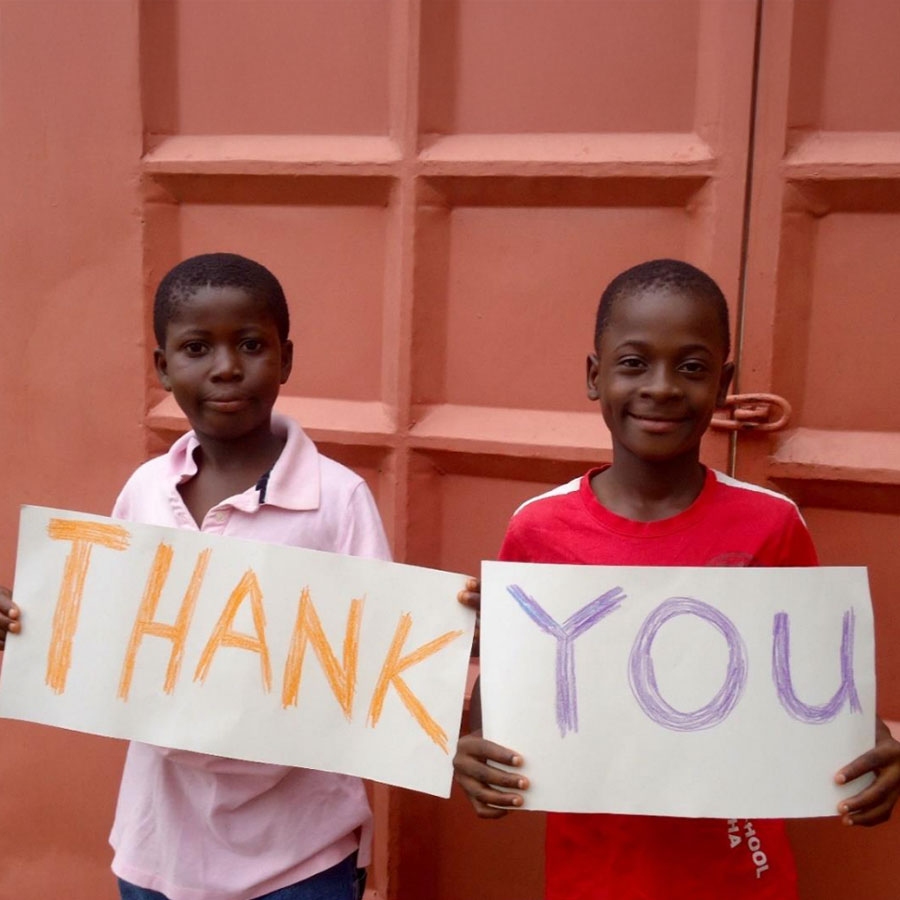
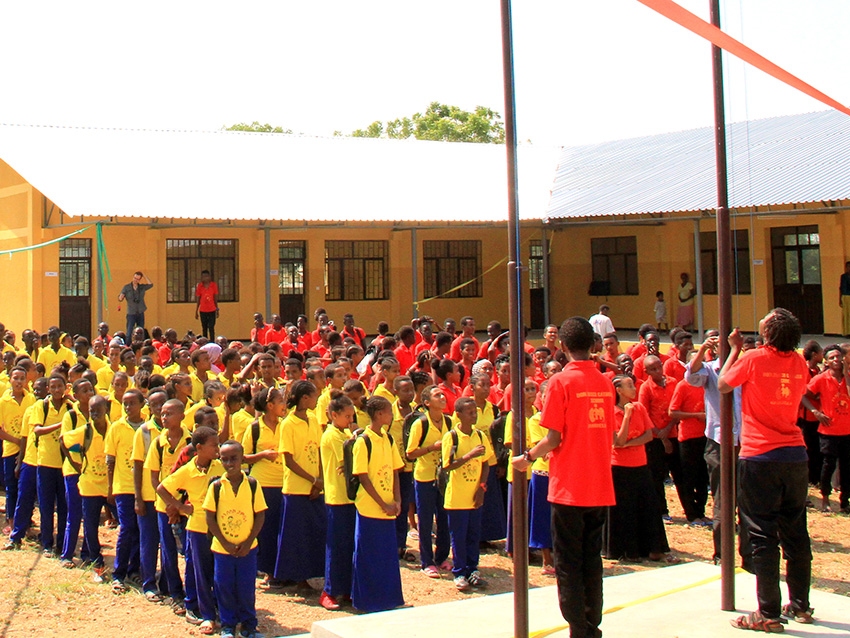
Access to basic education is a fundamental right and a necessary condition for human development. Providing safe schools, learning materials, qualified teachers, and programs to prevent school dropout opens new opportunities for children and lays the foundation for a fairer and more future-ready society.

Joining forces and resources to multiply impact.
NGOs play a crucial role in international cooperation by bringing resources, expertise, and networks of solidarity. Partnerships with local and international organizations strengthen the capacity for action in areas such as health, education, environment, and sustainable development, creating synergies that amplify the impact of community and institutional efforts.
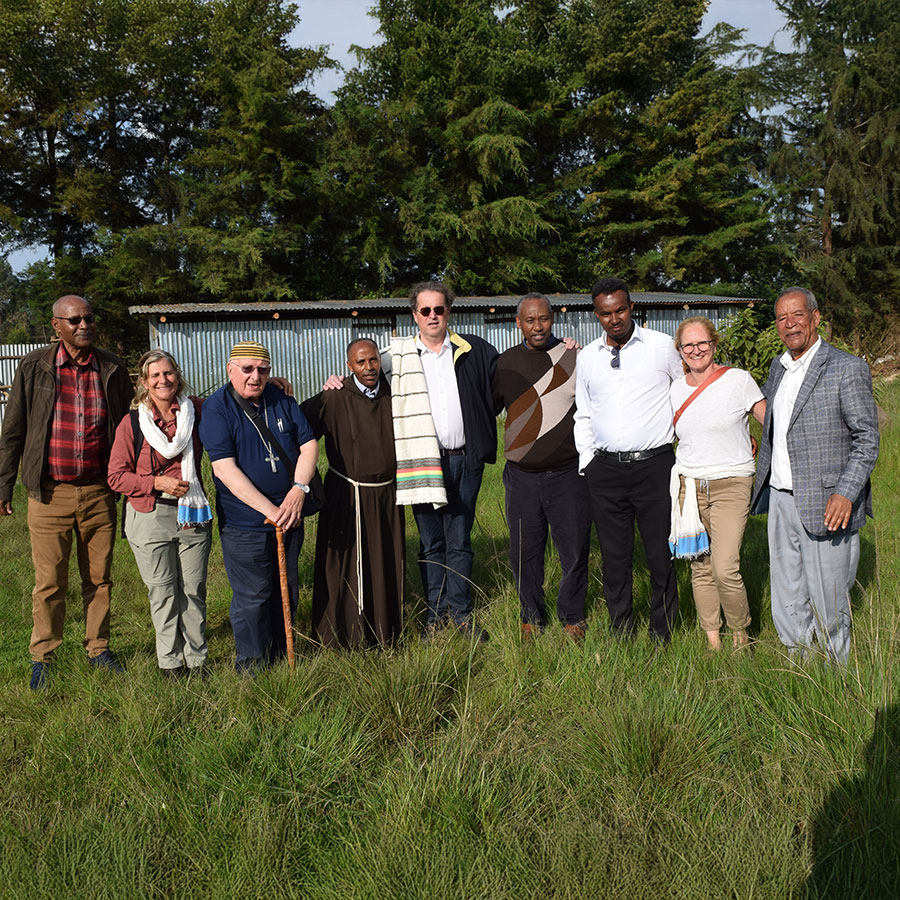
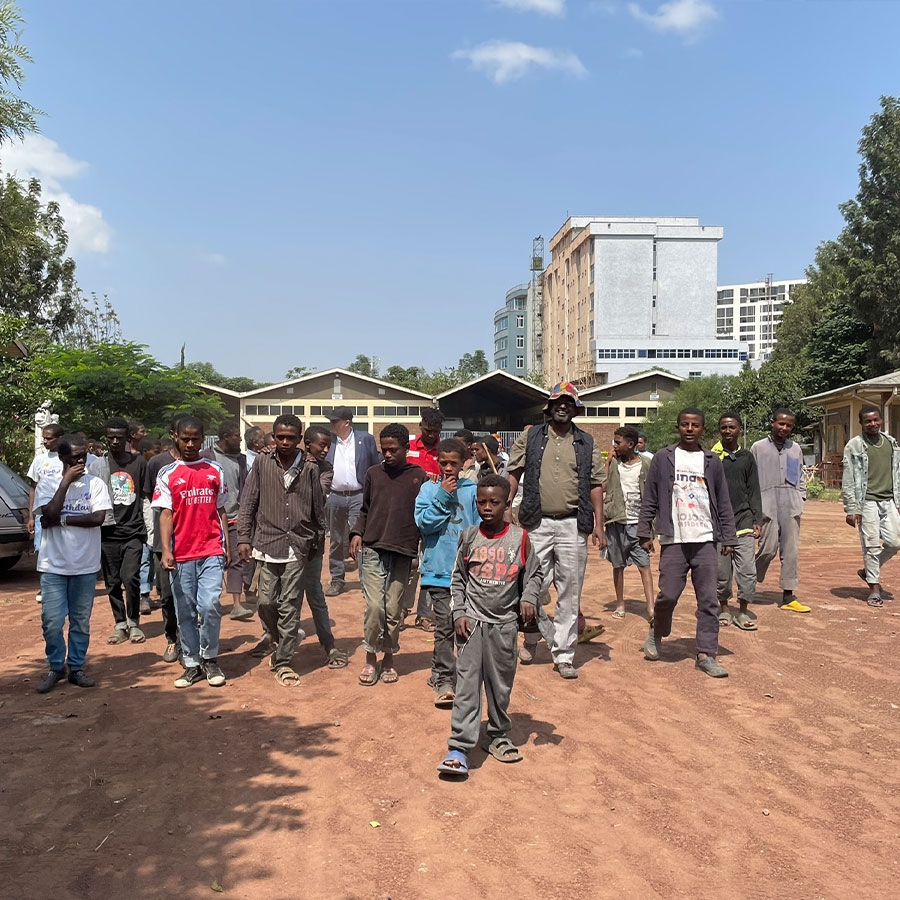
Since 2007, we have been carrying out educational projects in several African countries, building schools, supporting teachers, and giving children the opportunity to learn and grow with dignity.